Cart
No products in the cart.
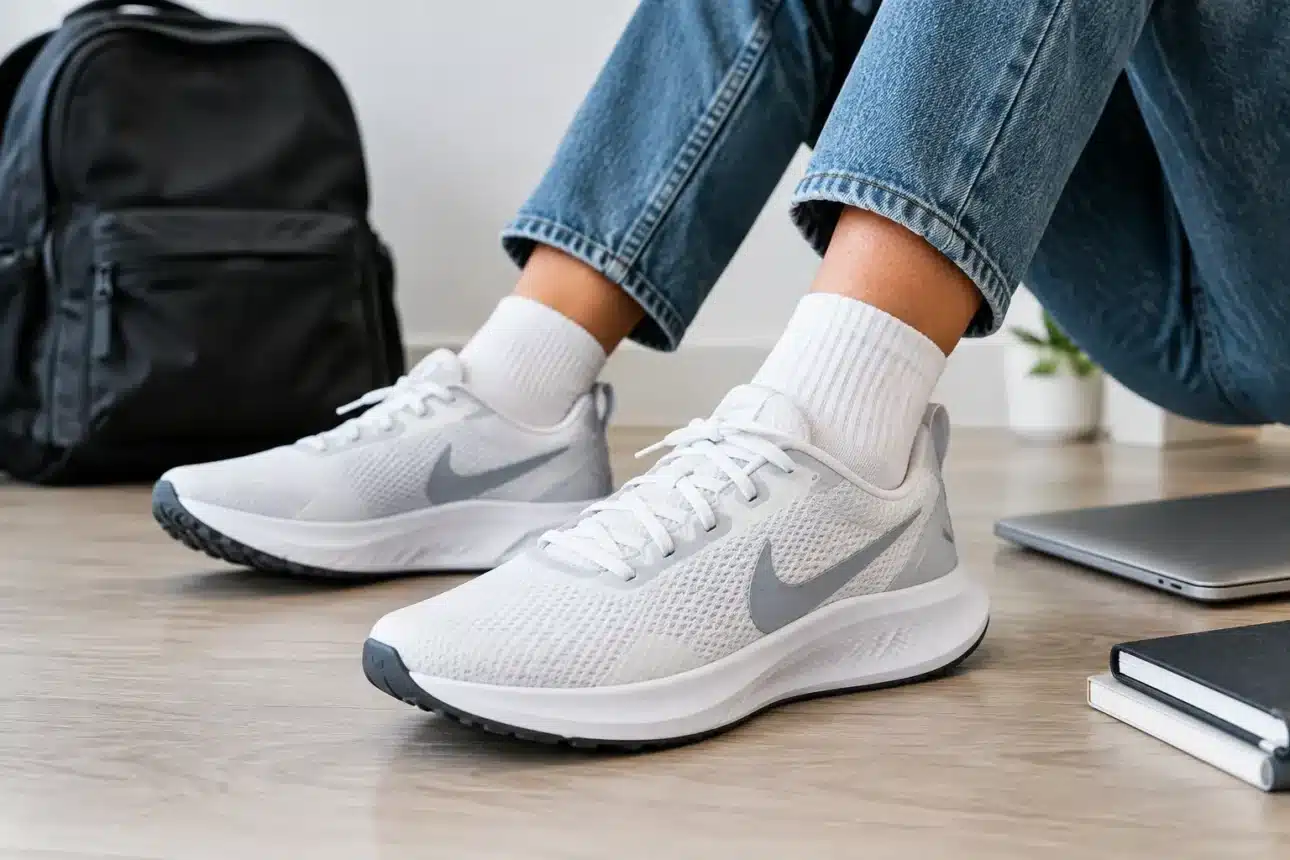
That $60 pair can get expensive fast if it rubs your heel, falls apart by midterms, or sits untouched because it only works with one outfit. The best sneaker deals for students are not always the cheapest shoes. They are the pairs you can wear to class, through a long shift, and out with friends without thinking about your feet.
A student budget has limits. So does your shoe rotation. We would rather see you buy one solid pair at a fair price than chase three markdowns you do not even like.
Price matters, obviously. But the real question is cost per wear. A clean, comfortable pair you wear four days a week beats a cheap pair that feels dead after a month.
Start with your actual routine, not the version of your life you picture when you are shopping. If you walk across campus, stand at work, and take public transit, a flat retro sneaker may look sharp but can be a rough choice by 5 p.m. If you mostly drive, sit in lectures, and want something that works with jeans, you do not need to pay extra for a serious running shoe.
We like a deal when it hits three things: it fits properly, it suits how you move, and you would still wear it if nobody knew the logo. That sounds basic. It also rules out a lot of bad purchases.
Campus walking adds up. A dorm-to-class-to-library day can easily turn into several miles, especially on big campuses. For that, look for a shoe with enough underfoot cushioning and a stable base. Running-inspired models from Asics, Brooks, Hoka, On, New Balance, and Adidas can make long days easier than a thin-soled fashion shoe.
That does not mean every cushioned shoe is right for everyone. Some feel soft but tall and a little wobbly. Others feel firmer, which can be better if you want a more grounded, steady ride. Try not to get distracted by the biggest sole in the room. More foam is not automatically more comfortable.
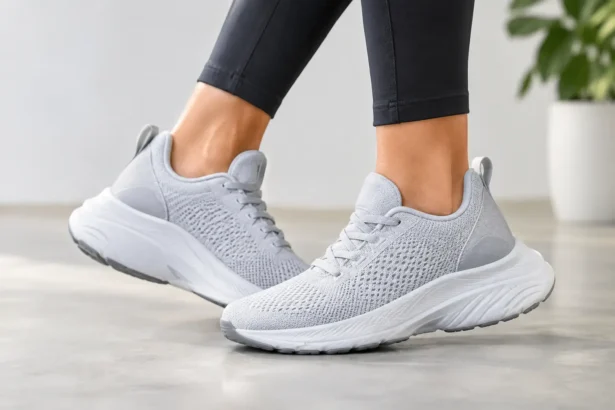
If you need one pair for walking and everyday outfits, a neutral running or lifestyle runner is often the smart middle ground. It may not be the loudest choice. It is usually the one you keep reaching for.
Brands release fresh colors constantly. Most people do not care whether your gray sneaker came out this month or eight months ago. That is where the value usually lives.
A previous-season colorway often has the same shape, materials, and comfort as the newer version. The only difference is that the marketing moved on. Fine by us. Black, white, gray, navy, cream, and earthy colors also tend to stay wearable longer than a loud color you get tired of after two weeks.
There is a trade-off. Sale sizes can be limited, and popular colors disappear first. Do not force a size because it is discounted. A bargain that pinches your toes is just money spent on a shoe rack decoration.
The best place to look is usually a retailer with several brands and a real sale section, not a resale page packed with inflated prices. Hype pairs can be fun if you genuinely love them, but they are a bad place to start when tuition, groceries, and rent are already doing enough damage.
At Sneakerness, we keep the focus on recognizable sneakers at fair prices, across brands and styles. That matters because you can compare what fits your budget instead of pretending one logo has every answer.
Look beyond the shoe name. Two models from the same brand can wear completely differently. One may be built for quick runs. Another may be better for standing behind a coffee counter. Another is just a good-looking throwback with almost no support. There is nothing wrong with the last option, as long as you are honest about what you are buying.
If a store offers a student code, use it. But read the terms before you build a cart around it. Some codes exclude sale items, certain brands, or new releases. That is normal. It is not a reason to pay more than you planned.
The better move is to compare the final price after shipping, taxes, and any discount. Free shipping can matter more than an extra small percentage off, especially when you are buying one pair. A low sticker price that grows at checkout is not much of a deal.
Also, do not wait forever for a bigger markdown if you have found the right pair in your size at a price that works. The difference between a 25% discount and a 35% discount is not worth much if your size sells out and you end up panic-buying something worse.
Scrolling first is how a $90 budget becomes a $180 cart. Pick a ceiling before you start. For most students, it makes sense to divide sneakers into two lanes: an everyday pair you can justify spending more on, and a casual pair you buy when the price is genuinely low.
Your everyday pair earns its cost through repetition. Think walking shoes, work shoes, or a clean all-purpose sneaker. Your casual pair can be more about color, retro shape, or trying something different. Keeping those roles separate stops you from expecting one shoe to do everything.
Some discounts are easy to ignore. If a shoe is heavily reduced because it is a weird color, a narrow fit, or a model nobody wanted, ask why. Not every unpopular shoe is bad. Plenty are overlooked for no good reason. But a big discount does not improve a bad fit or weak construction.
We would also skip overly delicate materials if you are hard on shoes. Suede looks good. It does not love rain, spilled coffee, or a rushed walk through a dirty parking lot. Mesh is breathable and often lighter, but it can show stains quickly. Leather or synthetic leather is easier to wipe down, though it may feel warmer.
And be careful with shoes bought only for photos. If you love them, go for it. If you are buying them because they are trending, give it a day. Trends move faster than most student bank accounts.
A good deal gets better when the shoe stays wearable. Rotate pairs when you can instead of wearing the same sneaker every day. Letting shoes dry out between wears helps, especially after rainy commutes or long shifts.
Clean dirt off before it settles in. A soft brush, mild soap, and a little patience handle most everyday messes. Do not throw sneakers in the washer unless the brand specifically says it is fine. Heat and heavy spinning can mess with glue, shape, and cushioning.
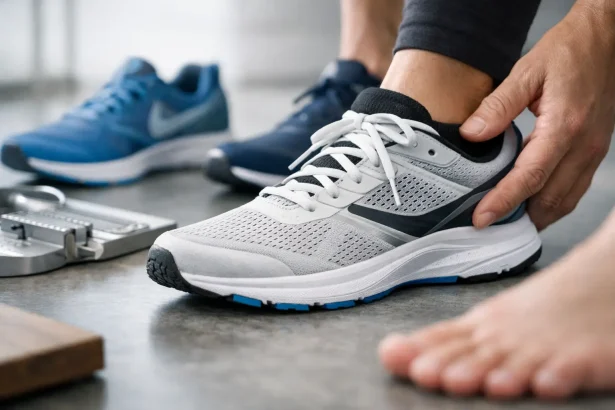
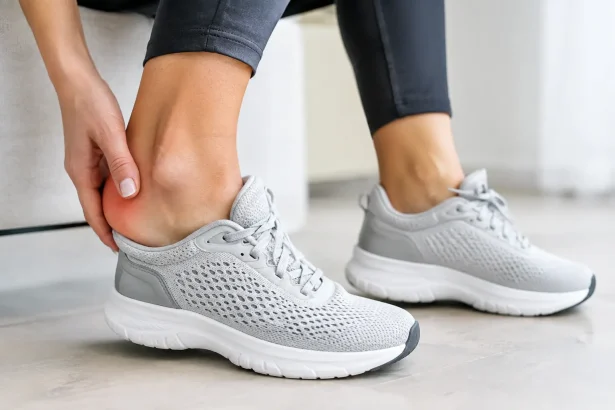
Fit matters here too. Leave about a thumb’s width in front of your longest toe. If your heel slips, try a different lacing method before deciding the size is wrong. If your toes feel cramped standing still, do not talk yourself into a break-in period. Some shoes soften a little. A too-small shoe stays too small.
A student sneaker deal should leave you with a pair you actually want to put on tomorrow. Maybe that is a simple white court sneaker. Maybe it is a cushioned runner in gray. Maybe it is a slightly odd retro pair that fits your clothes perfectly.
Spend where your day demands it. Save where the branding is doing most of the talking. Your feet, your schedule, and your budget will tell you more than a trending post ever will.