Cart
No products in the cart.
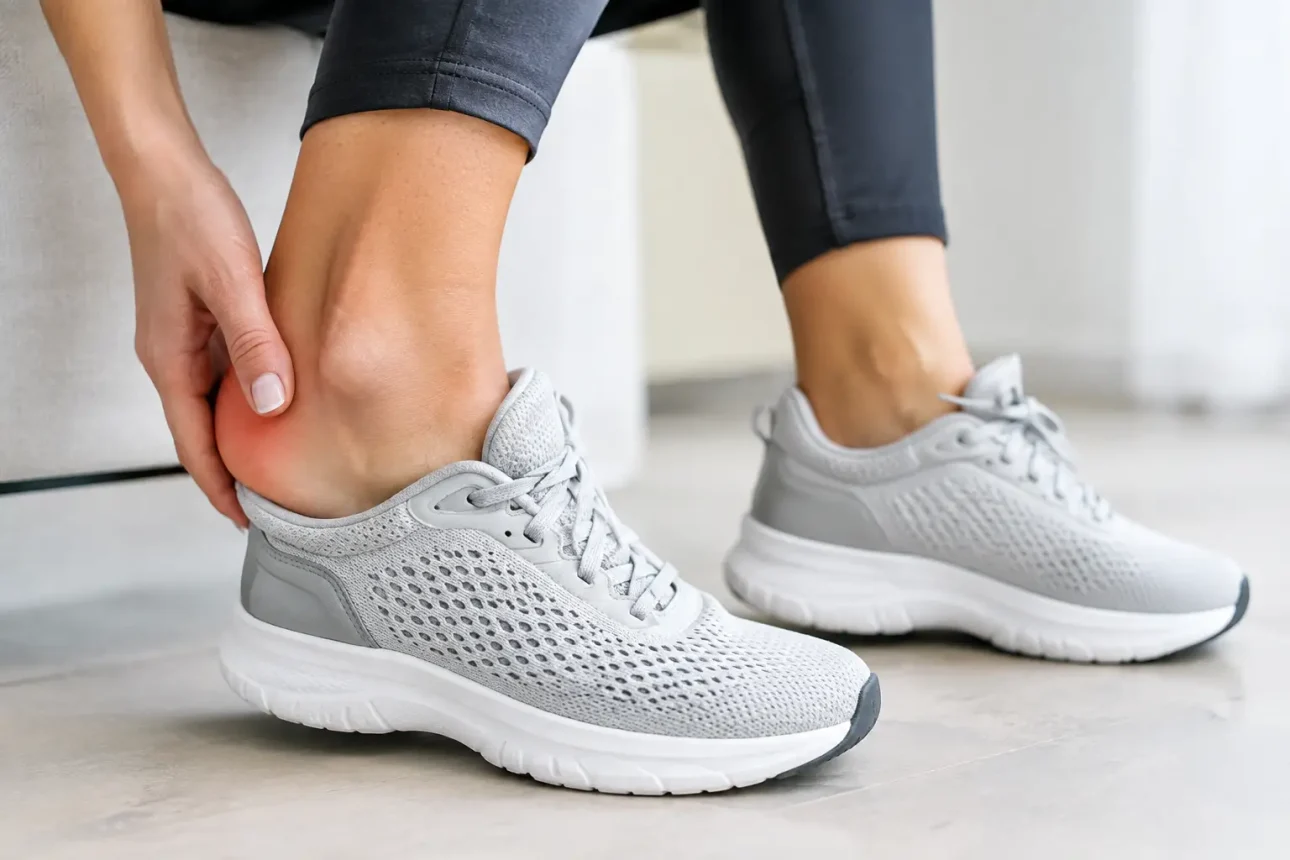
A shoe can feel fine for five minutes, then turn your heel into the only thing you can think about by lunchtime. That sharp rub at the back of the foot is not something to tough out just because the sneakers look good. So, why do shoes hurt heels? Usually, the shoe is moving where it should hold, pressing where it should give, or simply fighting the shape of your foot.
The answer is not always “size up.” A bigger shoe can create even more heel slip and rubbing. What actually matters is where the pain is, when it starts, and what the shoe does as you walk.
Heel pain from shoes usually comes down to friction, pressure, or a lack of support. Sometimes it is a new-shoe problem. Sometimes it is a bad-fit problem that will not improve no matter how many walks you force yourself through.
The back of your heel and the Achilles area have very little patience for stiff materials. If the collar of the shoe catches the same spot with every step, heat and friction build fast. First it feels hot. Then it gets tender. Then you have a blister, and suddenly the pair you were excited about is sitting untouched by the door.
A firm heel counter can also be the culprit. That is the structured piece around the back of the shoe that is meant to keep your heel stable. In a good fit, it holds your foot without digging in. In a bad fit, it feels like a hard rim pressing into your heel bone or Achilles tendon. Some retro sneakers are especially guilty here. They look clean, but their old-school shape can be rough on feet that need more room or padding.
Then there is heel slip. If your heel lifts even a little with each step, the shoe rubs it over and over. This often happens when the shoe is too long, too wide through the heel, or loosely laced. It can also happen when a shoe has a low or soft collar that does not lock your heel in place.
Not all heel pain means the same thing. Where you feel it can point to the real problem.
Pain or rubbing at the very back of the heel usually means friction from the collar or heel counter. Look for a stiff edge, rough seam, or heel slipping up and down. If the skin is red, hot, or blistered, the shoe is rubbing. That is a fit issue, not a character-building moment.
Pain higher up, near the Achilles tendon, often comes from a collar that is too stiff or cut too high. Some running shoes have a pronounced heel shape that works well for one person and feels awful for another. If it presses directly on the tendon, we would skip that model. Breaking in can soften material a bit. It does not change the basic shape of the shoe.
Pain under the heel is different. That may show up after standing, walking, or running in shoes with flat, worn-out, or overly firm soles. It can also happen when a shoe has plenty of soft foam but no structure for the way you move. Soft is not automatically supportive. A squishy sole can feel nice in the store and leave your feet cooked after a full day out.
Pain on one heel but not the other is worth paying attention to. Our feet are not perfectly matched, and old injuries, gait changes, and even how you wear down your shoes can affect one side more. If the pain keeps returning, gets worse, or happens in several pairs of shoes, a podiatrist or other qualified clinician can help sort out what is going on.
There is a difference between a shoe settling in and a shoe hurting you. New leather, suede, thick mesh, and firm synthetic uppers can loosen slightly after a few wears. Padding can compress. The shoe may start to feel more natural after short sessions.
But a shoe should not cause sharp pain, numbness, bleeding, or a blister on the first wear. We do not buy the idea that every good sneaker needs weeks of suffering. If the heel counter hits the wrong place from day one, it will probably keep hitting it there.
Wear a new pair around the house for 20 to 30 minutes before taking it on an all-day outing. Use the socks you would normally wear with it. Thin socks can make a roomy shoe slide. Very thick socks can turn an almost-right fit into a pressure problem. You are checking whether your heel stays planted and whether the collar feels neutral instead of noticeable.
If the shoe passes that test, build up gradually. A short walk first. Then a longer day. Save the 15,000-step city day for shoes you already trust.
Most people focus on toe room, which makes sense. Crushed toes are obvious. But the heel is where fit gets sneaky.
Your heel should feel held, not squeezed. When you walk, a tiny amount of movement is normal. Noticeable lifting is not. If you can feel the back of the shoe dragging against your skin, the fit is already off.
Sizing down to stop heel slip is not always the answer. If your toes are close to the front, do not go smaller. You may need a model with a narrower heel, a more secure upper, or a different lacing setup instead. Brand sizing also varies more than people want it to. A size 10 in one line can feel completely different from a size 10 in another.
Width matters too. A shoe that is too narrow can push your foot upward or backward, increasing pressure at the heel. A shoe that is too wide can let your foot move around. Neither feels good at 5 p.m.
We also see people wearing performance running shoes as everyday standing shoes, and vice versa. A light, fast shoe may be great for a short run but feel unstable for eight hours on concrete. A flat fashion sneaker may look sharp with jeans but offer very little relief if you walk everywhere. Pick based on what you actually do in them, not just the colorway.
If the fit is close and the pain is mild rubbing, a few small changes can help. Start with heel-lock lacing, sometimes called runner’s loop lacing. It uses the extra top eyelets to create a tighter hold around the ankle, reducing heel lift without crushing the front of your foot.
A slightly thicker sock can help if the shoe is only a touch loose, especially with a padded running or walking sneaker. Do not use thick socks to force a shoe that is clearly too tight. That just moves the pressure somewhere else.
Heel grips or adhesive pads can reduce slipping in a shoe that is a little too roomy at the back. They are useful for a small adjustment, not a rescue mission. If you need multiple pads, special lacing, and bandages just to get through a coffee run, return the shoes if you can.
For a stiff collar, a blister bandage or protective tape can get you through a short break-in period. Keep the wear time low and let your skin recover between wears. Do not keep rubbing the same raw spot. Once the skin is damaged, every step feels worse and your read on the shoe gets less useful.
If pain is under the heel rather than behind it, check the outsole and midsole. Is the shoe worn down unevenly? Is it a thin, flat sole you have been standing in all week? A supportive insole may make a difference in some shoes, but it also takes up space. If the upper already fits snug, adding an insole can create new pressure problems.
Some shoes are not bad. They are bad for your feet. That is normal.
Skip the pair if the heel counter presses one exact painful spot, your heel slides even after secure lacing, or you feel pain quickly every time you wear it. Same goes for tingling, numbness, swelling, or pain that hangs around after you take the shoes off. Those are not signs that you need more patience.
If you are on your feet all day, take comfort seriously. That does not mean every shoe has to look like a medical device. It means choosing a pair with a stable base, enough cushioning for your routine, and a heel that holds without rubbing. Plenty of good-looking sneakers manage that. Plenty do not.
At SneakerNess, we think the right pair should disappear once you start moving. You should notice how it looks, not the sore spot it left behind. If your heels keep complaining, listen to them. There is always another clean pair that fits better.