Cart
No products in the cart.
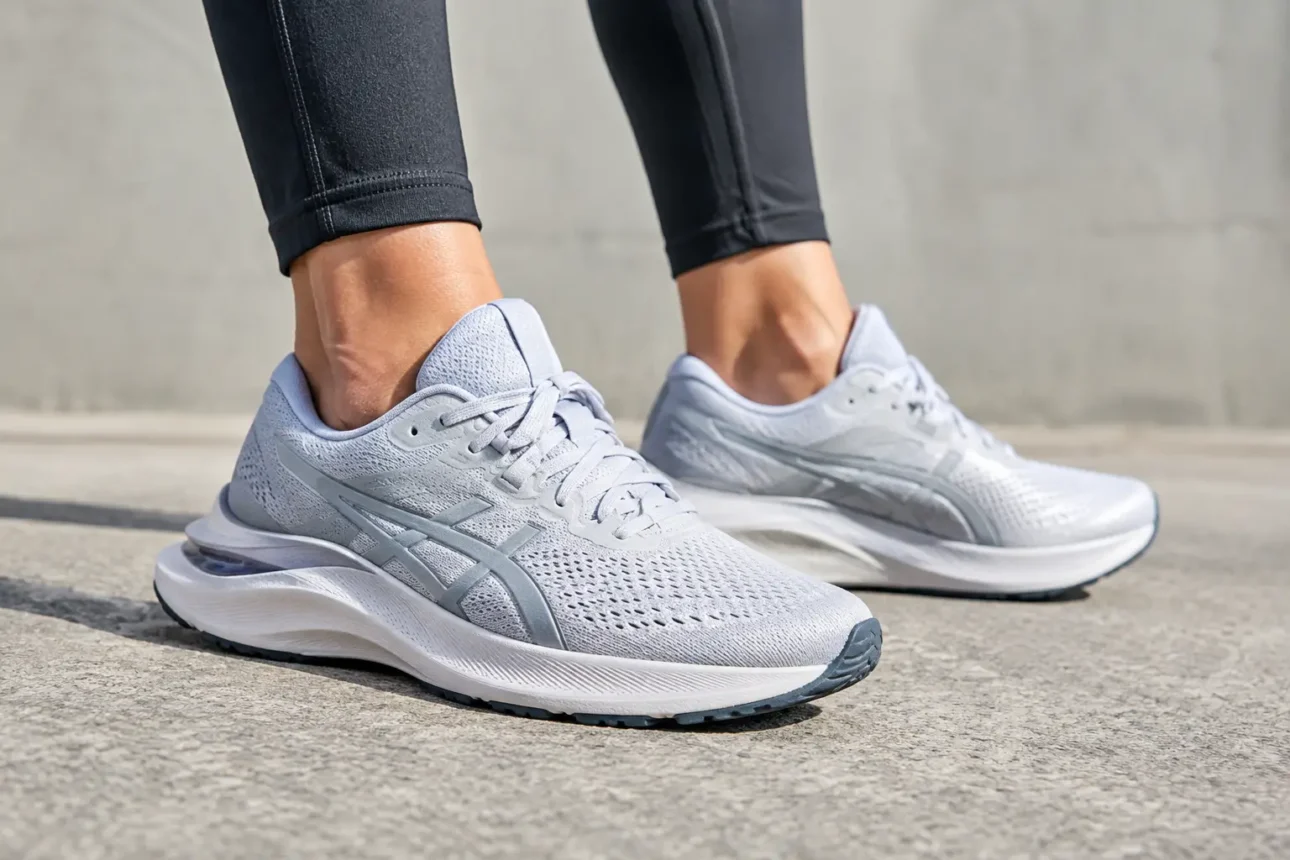
Your shoes can feel fine at 9 a.m. and completely wrong by 5 p.m. That is the real test. So, can you wear runners daily? Usually, yes. A good pair of running shoes can handle commuting, errands, casual plans, dog walks, and long days on your feet. But not every runner is built for everyday wear, and wearing the same pair nonstop has a downside.
We are not going to pretend you need a different shoe for every hour of your life. That gets expensive fast. But if your runners leave your feet sore, feel sloppy around corners, or look beaten up after a month, they are not doing the daily job well.
You can, but the mileage adds up quicker than most people think. A pair worn only for runs gets breaks between sessions. A pair worn to work, to the store, on public transit, and out on weekends does not. Even if you are not running, the foam compresses, the outsole wears down, and the upper takes a beating.
That does not mean daily wear will destroy a shoe overnight. It means a running shoe that might last a serious runner several months could feel flat sooner when it becomes your everything shoe. Pavement, wet sidewalks, stairs, and standing around all count as wear.
We would still take a supportive runner over a thin, flat fashion sneaker for a day with lots of walking. Flat sneakers can look clean, but they are not always fun after a few miles. Your feet do not care how good your outfit looked at breakfast.
The smarter move is simple: choose runners that fit your actual routine. If you walk a lot and stand for work, prioritize stable cushioning and a tough outsole. If you mostly drive, sit, and want something comfortable for weekends, you have more room to choose based on looks.
Race-day shoes are usually a bad daily choice. They are designed to feel quick and light, not to survive coffee spills, curbs, rain, and eight hours of regular life. Some have very soft foam, tall stacks, or aggressive rocker shapes that feel great during a run but a little weird when you are standing still.
Carbon-plated models are the clearest example. They can be fun for running, but we would not buy them as an everyday sneaker. They cost more, the ride can feel stiff, and the outsole often is not made for constant street use. Save those for the runs they were built for.
Daily trainers are the sweet spot. Think shoes made for regular training miles: moderate cushioning, a secure heel, decent rubber on the bottom, and an upper that does not feel precious. Brands like ASICS, Brooks, New Balance, Hoka, Nike, Adidas, and On all make options in this lane. The right one is not the logo. It is the one that feels natural on your foot.
Lifestyle runners can work too, especially if your day is more casual than athletic. Some retro running-inspired shoes look sharp with jeans and are perfectly fine for short walks. We just would not call every retro sneaker a standing-all-day shoe. Plenty of them have thin midsoles and narrow toe boxes. Cool look, rough shift.
More foam is not automatically better. Plush shoes can make concrete feel less harsh, especially on long walking days. But very soft foam can also feel unstable, particularly if you carry a bag, move quickly through crowds, or tend to roll your foot outward or inward.
If you want one pair for everyday wear, aim for cushioning that feels protective without making you feel like you are balancing on pillows. A stable base matters more than a dramatic sole height.
The right brand is the one that fits. That sounds obvious, but people still buy the same name over and over even when the shape does not work for them.
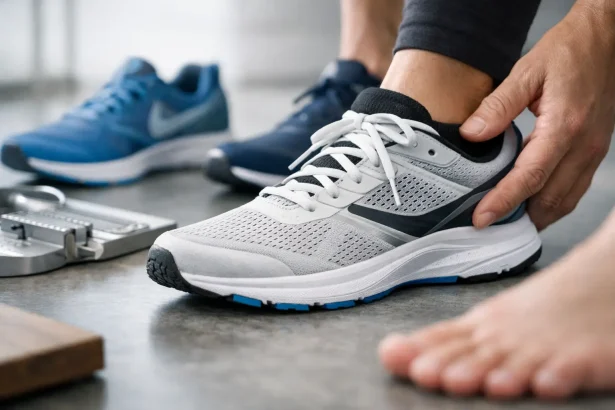
Your toes need room to spread. Your heel should not slip every few steps. The widest part of the shoe should line up with the widest part of your foot. If you feel pressure on your little toe in the store or at home, do not expect it to become charming after a week.
Try shoes later in the day if you can. Feet often swell a bit after walking around, which gives you a more honest read on the fit. Wear the socks you actually use. A shoe that feels perfect with thin no-show socks may feel cramped with your everyday crew socks.
A runner can look almost new on top while the part doing the work has already changed. Midsole foam slowly loses some bounce. Rubber wears smoother in high-contact areas. The heel collar can break down and start rubbing. None of this needs to be dramatic before you notice it underfoot.
Watch for a shoe that suddenly feels firmer than it used to, leans to one side on a flat floor, or has worn-down tread under the heel or forefoot. Those are better signs than judging by how white the upper still looks.
For most people, a daily pair lasts roughly six to twelve months. That is a wide range because routines vary wildly. Someone walking two miles a day on city sidewalks will wear through shoes faster than someone who wears them mainly to drive and run errands. Heavier use, rough surfaces, and bad weather all shorten the timeline.
If you also run in your shoes, keep track of that separately. Your casual steps still matter, even if your running app does not count them.
If you can afford it, yes. Two pairs are not sneaker collector behavior. They are practical.
Rotating shoes gives the foam time to rebound after long days and lets the inside dry out properly. It also stops one pair from taking every single step you make. You do not need two identical shoes, either. A cushioned runner for walking-heavy days and a cleaner, lower-profile sneaker for casual plans is a solid setup.
This is especially worth doing if your shoes get wet, you work on your feet, or you walk to commute. Pulling on yesterday’s damp pair is never a good time. It smells bad, feels worse, and wears the materials faster.
If you only want one pair, that is fine. Just give it basic care. Untie the laces instead of crushing the heel to step in. Let the shoes air out. Brush off dirt before it works into the fabric. Do not toss most runners in the washing machine unless the brand specifically says it is okay. Heat and spinning can wreck glued parts and warp foam.
Runners are not the answer to every outfit or every activity. If your job requires protective footwear, slip-resistant work shoes, or a formal dress code, a running shoe may not cut it. Do not force a mesh trainer into a situation that needs a tougher shoe.
They can also be overkill if you want a structured, polished look. A bulky max-cushion shoe with tailored pants can work if you know what you are doing. Most of the time, though, it looks like you forgot to change after the gym. A clean retro runner or a simple low-profile sneaker is easier to style.
And if a shoe gives you persistent pain, numbness, rubbing, or blisters, stop treating it like a break-in issue. Some shoes just do not match your foot. If discomfort keeps showing up, checking in with a qualified health professional is smarter than buying another insole and hoping for magic.
Yes, wear runners daily if they are comfortable, stable, and made for regular mileage. They are often the most sensible choice for busy days, especially when you are walking more than you planned. Just skip the delicate race shoes, do not ignore a bad fit, and accept that your favorite pair will eventually wear out.
The pair worth keeping is the one you forget about while wearing it. Not because it is boring, but because your feet are not asking for attention by lunchtime.