Cart
No products in the cart.
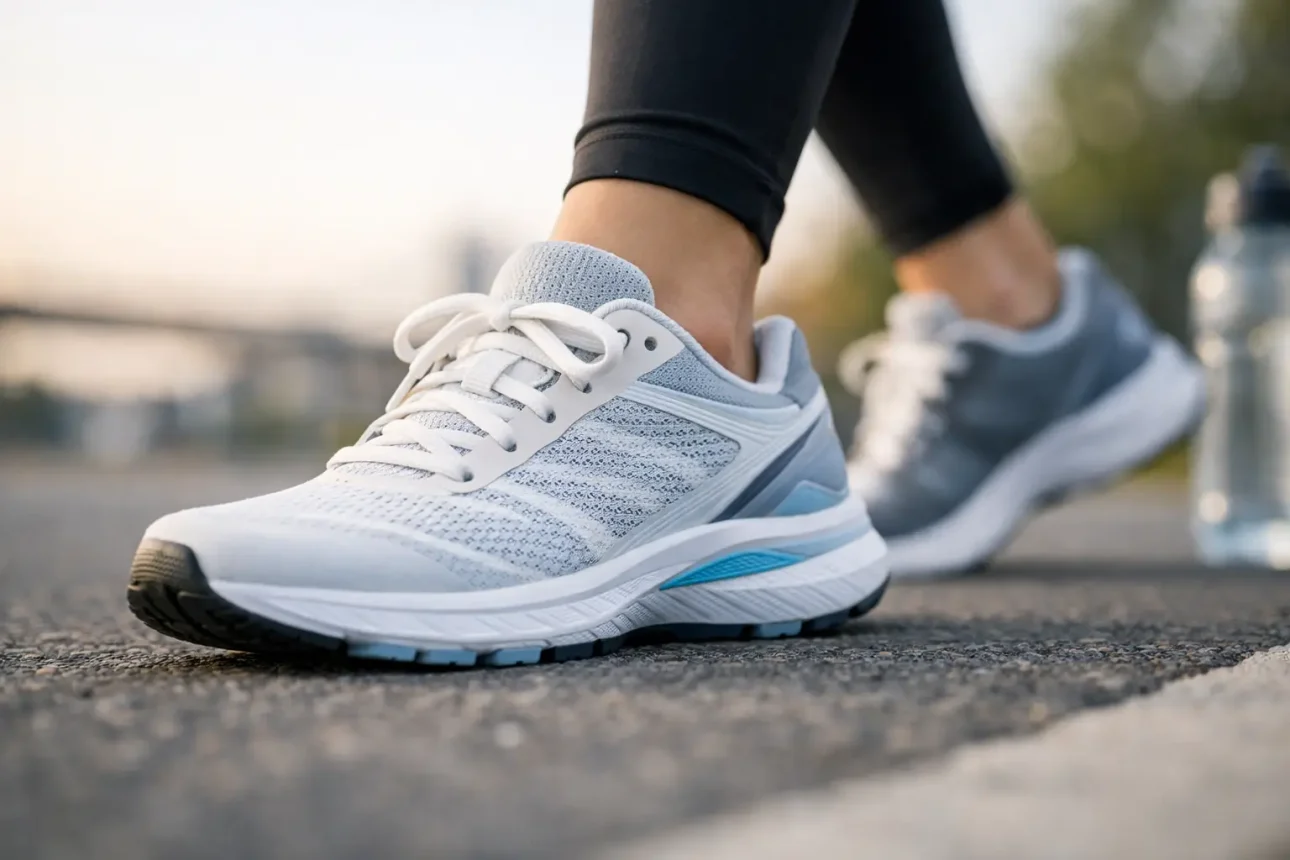
Most people quit running for the same boring reason – their shoes feel bad. Not dramatic. Just annoying enough to make every run feel harder than it should. If you’re shopping for running sneakers for beginners, that’s the part to focus on first. Not the trendiest model. Not the loudest ad. Just a pair that feels good for easy miles and doesn’t fight your feet.
A beginner running shoe has one job. Make starting easier. That means decent cushioning, a stable ride, and an upper that doesn’t rub your toes raw 20 minutes in. It does not need to be the fastest shoe on the wall. In fact, a lot of newer runners buy too much shoe or the wrong kind of shoe because the marketing sounds smart and the design looks fast. Looking fast and feeling right are not the same thing.
We’d keep it simple. Most beginners do best in a daily trainer. That’s the category built for regular runs, easy paces, and general comfort. Not race day. Not track workouts. Not social media photos. Daily trainers are the solid middle ground, and for a new runner, middle ground is usually exactly where you want to be.
You want enough cushioning to take the edge off pavement, but not so much that the shoe feels wobbly. You want support, but not the kind that feels stiff and overcorrected if your stride is fairly normal. You want a shoe that disappears on your foot. If you’re noticing the shoe every few steps, something is off.
This is where a lot of people get distracted by specs. Stack height. Plates. Foams. Heel drop. Those things matter, sure, but not as much as basic comfort. If the heel slips, the toe box pinches, or the arch feels weird standing still, don’t talk yourself into it because a review called it advanced. You’re not buying a concept. You’re buying something to run in.
Fit is first. Always. A shoe can have all the right buzzwords and still be wrong for you. Your toes need room to spread a little. Your heel should feel secure without needing to lace the shoe like a hostage situation. Through the midfoot, it should feel snug but not tight.
There should also be a little space in front of your longest toe. Not a huge gap. Just enough that your toes don’t jam the front on downhills or when your feet swell a bit mid-run. Beginners often buy running shoes too small because they want that casual sneaker fit. That’s a mistake. Running fit should be a little more forgiving.
Cushioning comes next. Most new runners like moderate cushioning because it feels softer without going mushy. Super soft shoes can feel nice when you first step in, then weird and unstable once you’re moving. On the other side, very firm shoes can feel harsh if you’re not used to impact. For most people, the sweet spot is simple – soft enough to stay comfortable, firm enough to feel controlled.
Then there’s weight. Lighter usually feels nicer, but we wouldn’t obsess over a few grams. A slightly heavier shoe that fits well beats a featherweight shoe that irritates your arches. Every time.
This is where brand loyalty can get silly. If you’re new, don’t marry a logo. Different brands make solid beginner-friendly options, and each has a lane.
Brooks is one of the easiest places to start. The fit is usually straightforward, the ride is predictable, and the shoes tend to feel stable without being boring. If you want something safe and reliable, Brooks rarely does anything weird.
Asics is another strong pick. Their daily trainers are often a little more structured, which some beginners really like. If your current sneakers feel flimsy and unstable, Asics can feel like a reset.
New Balance does a good job with comfort and shape. A lot of their running shoes have a more accommodating fit than narrower fashion pairs, which matters if your feet hate being squeezed.
Hoka is popular for a reason, but let’s be honest – not every beginner needs that much shoe. Some Hokas feel great right away, especially if you want a plush ride. Others can feel bulky if you’re used to lower-profile sneakers. Worth trying, not worth forcing.
Nike makes some clean-looking running shoes, and some are genuinely solid. But Nike fit can be hit or miss, especially if your foot runs wider. If they work for you, great. If they don’t, don’t keep hoping they’ll stretch into a miracle.
Adidas has some good options too, though parts of the lineup can lean more stylish than practical. We’d be pickier here. Some models look great and run fine. Others look like running shoes and wear more like casual sneakers.
On makes sharp shoes. No debate there. They also tend to feel firmer and a little more specific in ride. Some beginners love that clean, snappy feel. Others just want something softer and easier. This is a brand where trying the fit really matters.
Puma has gotten better in running. A few models are seriously worth your time, especially if you want something light and fun without paying top-tier prices. Still, we wouldn’t say every Puma runner is a safe blind buy.
Skip carbon plate shoes. Really. They cost more, they can feel awkward at easy pace, and they make no sense for someone figuring out how to run consistently. They’re built for a very specific kind of running, and that probably isn’t your Tuesday jog around the block.
Skip super minimal shoes unless you already know you like that feel. Thin, low-cushion shoes sound natural in theory. In real life, they can be rough on a beginner who’s still adapting to impact.
And skip buying based on looks alone. We like a clean shoe as much as anyone, but if it looks sharp and runs terribly, what’s the point? A good beginner running shoe can still look good. You do not need to choose between function and style. You just can’t let style do all the work.
This is the part where the answer gets less neat. The best running sneakers for beginners depend on how you actually plan to use them.
If you’re running two or three easy times a week on sidewalks, a balanced daily trainer is your best bet. That’s the standard answer because it works. If you’re heavier on your feet or just like a softer landing, you may prefer more cushioning. If you hate squishy shoes and want to feel the ground a bit more, go a little firmer.
If you mostly walk, jog, and stand all day in the same pair, comfort matters even more than speed. In that case, we’d lean toward shoes that feel smooth and forgiving rather than aggressive or stripped down.
If you have wider feet, stop trying to make narrow shoes happen. Some brands run slim, and no amount of optimism changes that. A cramped toe box can ruin an otherwise good shoe.
And if you’ve had soreness before, don’t self-diagnose off the internet and buy the most corrective shoe you can find. More support isn’t always better. Sometimes a stable neutral shoe is enough. Sometimes you do want more structure. It depends on how you move and what feels good after a few runs.
You do not need the most expensive pair in the lineup. A lot of beginner runners are better off in a dependable mid-range daily trainer than in some top-shelf model loaded with features they’ll never use.
Price usually goes up when the foam gets fancier, the weight drops, or the shoe targets performance runners. That’s fine if you know why you’re paying for it. But if you’re just trying to build a habit, comfort and consistency matter more than tech flexing.
A solid shoe that gets you out the door is worth it. An expensive shoe that sits by the door looking advanced is not.
When you put on a good beginner running shoe, the first sign is boring. Nothing feels off. No hot spots. No pressure point on the arch. No heel slip. It just feels natural.
Then walk in it. Jog a little if you can. Notice whether the ride feels smooth or clunky. Pay attention to your instinct. If your first thought is, this might work after a break-in period, we’d pass. Running shoes are not dress shoes. They should feel pretty right from the start.
We also think it helps to be honest about your taste. If a shoe feels good but you hate how it looks, you may avoid wearing it. That’s real. The answer isn’t to buy the coolest bad shoe. It’s to find the pair that feels right and still looks clean enough that you’ll actually want to lace it up.
Starting to run is already awkward enough. Your shoes shouldn’t add to that. Keep it simple. Pick the pair that feels stable, comfortable, and easy to trust. If it makes your first few runs feel less like a fight, that’s the right place to start.