Cart
No products in the cart.
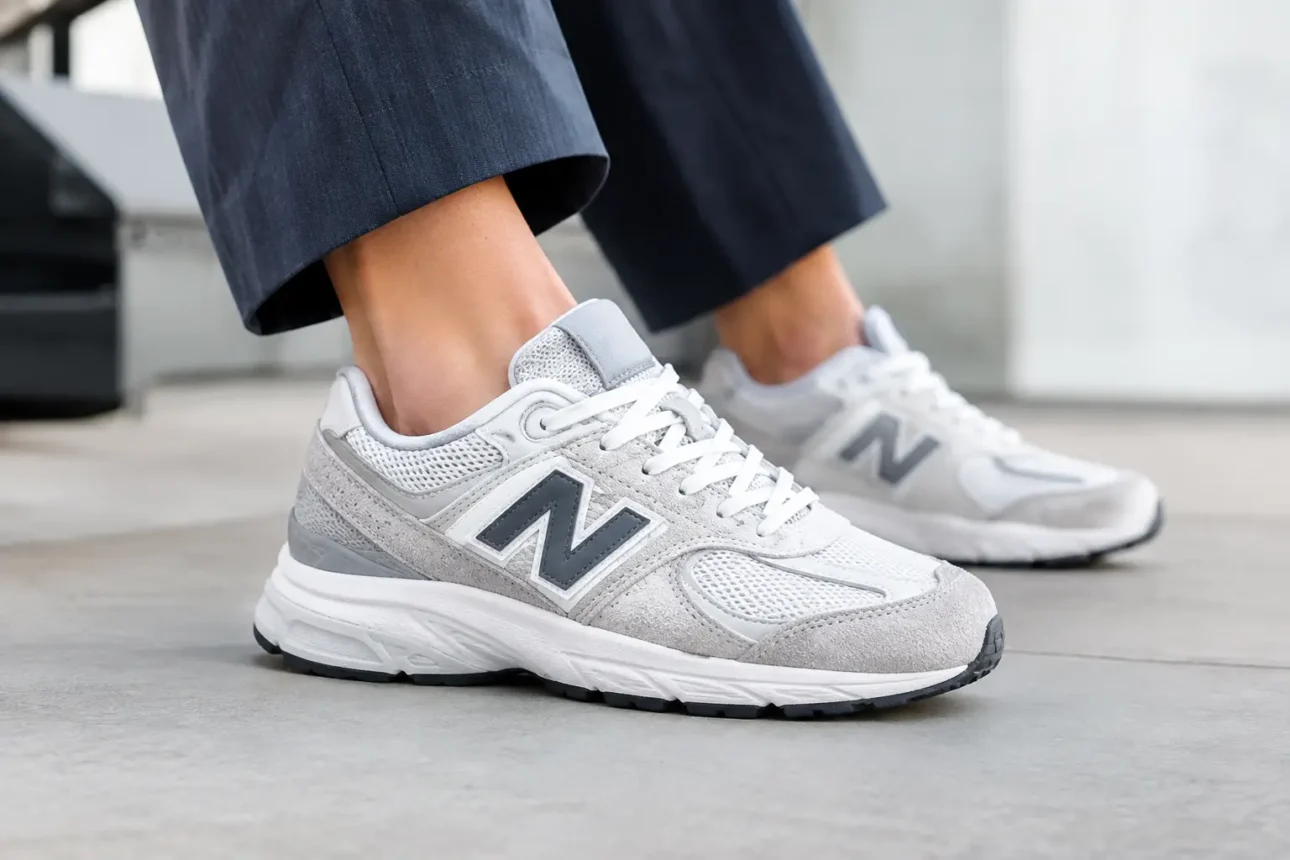
A commute can turn a decent-looking sneaker into a bad decision fast. A few blocks to the station, stairs, crowded platforms, a walk at lunch, then the trip home – that is more mileage than most people admit. The top sneakers for commuters need to feel good after hours on your feet, not just look clean in a mirror.
We would not pick a commuter shoe based on hype, or on how soft it feels for five minutes in a store. What matters is stable cushioning, enough room for your toes, a sole that does not feel sketchy on wet pavement, and a look you can wear with more than gym clothes. These are the pairs we would actually consider.
A proper commute shoe sits between a running shoe and an everyday sneaker. Flat retro pairs can look sharp, but eight thousand steps on thin rubber is a long day. On the other hand, a giant max-cushioned shoe can feel amazing underfoot while looking like you are headed to a trail race.
The sweet spot depends on your route. If you walk a mile or more each way, cushioning deserves priority. If you stand on buses or trains, a stable base matters more than a super-soft foam that wobbles. If your office has a stricter dress code, color and shape matter too. A clean gray, black, navy, or white pair gets worn far more than a loud shoe that only works on weekends.
The 1080v14 is for the commuter who genuinely walks a lot and does not want their feet feeling cooked by late afternoon. Its cushioning is soft, but the shoe is not as loose and marshmallowy as older max-cushion options can be. It rolls along nicely on long sidewalks and handles a full day better than most lifestyle sneakers.
The trade-off is the look. It is clearly a running shoe, especially in brighter colors. Pick a muted colorway and it works with joggers, denim, and relaxed workwear. If your commute is mostly walking, we would take this over a fashionable flat sole every time.
The Cloudtilt gets the commuter brief right. It is light, easy to slip on, cushioned enough for city mileage, and less aggressive-looking than many performance runners. The rocker shape helps the shoe move through each step without making it feel awkward.
We like it best for people who want one pair that can go from a train platform to a casual office without a shoe change. It is not the choice for hard running or rough trails, and the upper is not built for heavy rain. But for pavement, errands, and all-day city movement, it is a solid pick.
If comfort is the whole point, the Gel-Nimbus 27 deserves a serious look. It has plenty of cushioning under the heel and forefoot, which helps when your route includes concrete, stairs, and long standing stretches. The platform feels more planted than some extra-soft shoes, too.
It is not subtle. This is a substantial sneaker, and people who prefer slim retro silhouettes may hate the shape. Fair enough. But if you have ever arrived home and immediately wanted to take your shoes off, a pair like this makes more sense than forcing a low-profile sneaker into a job it cannot do.
The Pegasus is the sensible all-rounder. It has enough cushioning for regular walking, enough structure for occasional runs, and a cleaner profile than most heavily padded shoes. It is also one of the easier performance sneakers to style without looking like you forgot to change after a workout.
We would recommend it to commuters whose day changes often. Maybe you walk to work, take a longer route home, or use the same shoes for a short run on Saturday. It does all of that well. It will not feel as plush as the Nimbus or 1080, but that firmer, more balanced ride is exactly why many people prefer it.
The Ultraboost 5 is still one of the better-looking cushioned sneakers for everyday wear. The knit upper feels flexible, the midsole takes the edge off hard pavement, and the overall shape works with jeans more naturally than many running models.
There is a catch: knit can feel less secure when you move quickly, and it is not much help in serious rain. It can also run warm. Still, for a commute that is mostly dry sidewalks, trains, and office floors, it is comfortable and easy to wear. We would choose a darker pair if your route involves dirty platforms or unpredictable weather.
The Clifton 10 is a good answer for people who want a lighter shoe with a lot of protection underfoot. Hoka’s cushion is not for everyone, but the Clifton tends to feel less bulky than its stack height suggests. That makes it useful when you want relief from hard ground without wearing something huge.
The high sole may feel strange if you are used to flat sneakers. Give it a real indoor walk before deciding. If the shoe feels unstable to you, skip it. If it feels natural, it can make a long commute much less tiring.
The Ghost 17 is not the flashiest shoe here. That is part of its appeal. It is dependable, supportive without feeling stiff, and built for people who put real miles on one pair. The fit tends to work well for a wide range of feet, and it is a strong option if you dislike the exaggerated rocker feel found in some newer runners.
It looks like a running shoe because it is one. We are not going to pretend otherwise. But in black, gray, or white, it is low-key enough for a casual workplace. For commuters who value predictable comfort over sneaker-scene points, the Ghost is worth it.
Here is the style-first pick. The Mexico 66 is slim, clean, and easy to wear with almost anything. If your commute is short, mostly seated, and you care about a low-profile look, it makes sense. Few sneakers do casual, sharp, and slightly retro this well.
For long walks, though, be honest with yourself. The cushioning is limited compared with every running-inspired shoe above. We would not choose it for a daily two-mile trek or a job that keeps you standing. It is a great city sneaker, not a comfort machine.
The biggest mistake is buying for an imaginary version of your commute. Do not get a sleek flat sneaker because it looks right if you regularly walk twenty minutes each way. Do not buy the biggest cushioned runner if your total walking is ten minutes and you want something that works with tailored pants.
For long pavement walks, start with the New Balance 1080v14, ASICS Gel-Nimbus 27, or Hoka Clifton 10. For a balanced everyday pair, the Nike Pegasus 41 and Brooks Ghost 17 are safer bets. If appearance carries equal weight, the On Cloudtilt and Adidas Ultraboost 5 make more sense. The Mexico 66 is for short routes and strong outfits, not all-day support.
Fit matters more than the logo. Try shoes later in the day if you can, when your feet are a little more like they will be on the way home. Leave a thumb’s width ahead of your longest toe. Your heel should stay put, but your forefoot should not feel squeezed. A comfortable shoe should not need a painful break-in period to become wearable.
We also would not save your commuter pair only for weekdays. Wear it around the house for an hour, take it on a short walk, and find out whether the heel rubs before you commit to a full workday. The right pair should fade into the background. That is the point: you get where you are going, your feet still feel good, and the shoes still look like you chose them on purpose.