Cart
No products in the cart.
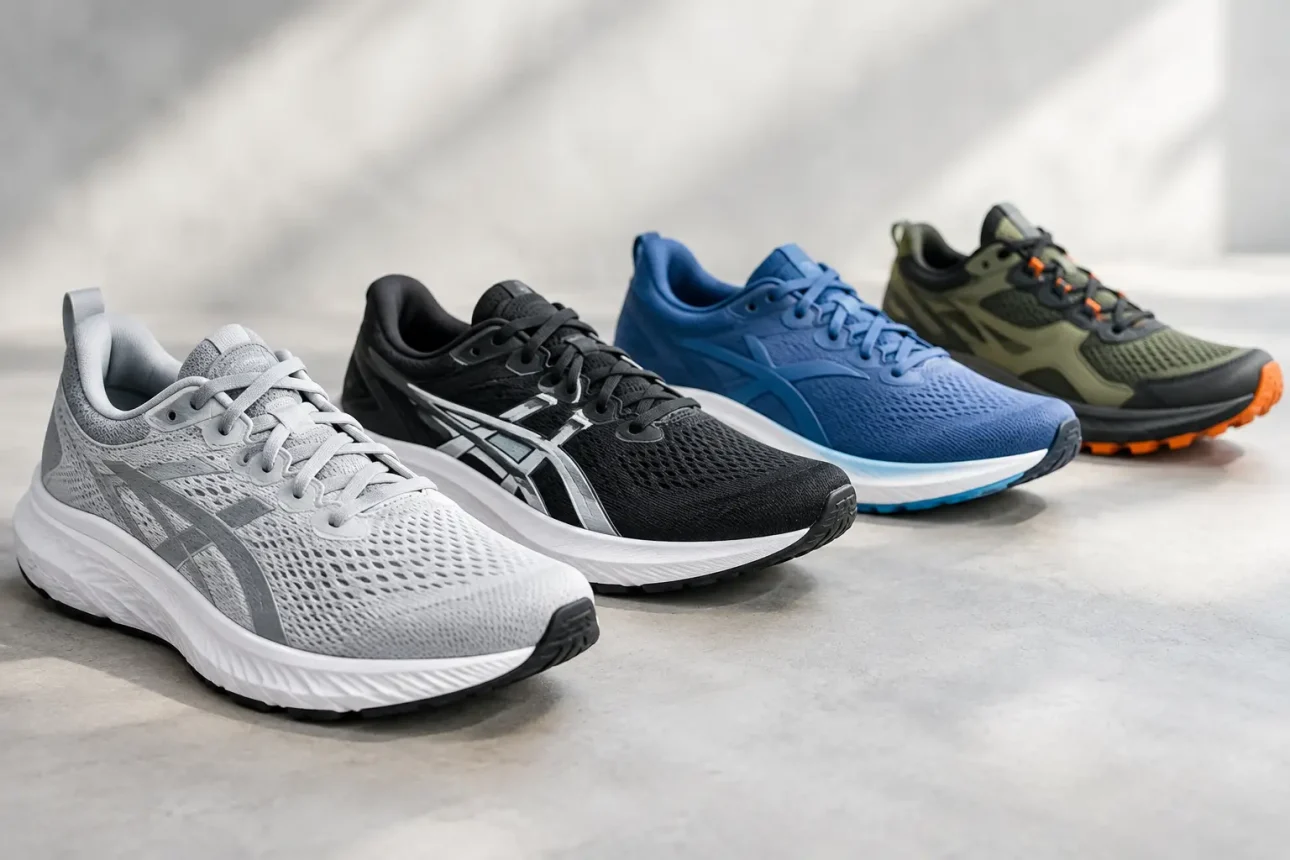
A wall of running shoes can make a simple purchase feel weirdly complicated. Thick foam, thin foam, plates, stability posts, trail lugs. The useful way to look at running shoe categories is simpler: what are you doing in them, how often, and how do your feet feel when the day is nearly over?
You do not need a separate shoe for every kind of run. Most people need one solid pair that feels good for regular miles. A second pair only starts making sense when you run often, train for a specific goal, or spend enough time on trails to need real grip.
Brands love making tiny subcategories. We are not going to pretend every one matters. These are the categories that actually change how a shoe feels and where it works best.
A daily trainer is the dependable middle ground. It should handle easy runs, moderate runs, a few errands, and the occasional day when you accidentally wear it longer than planned. Think balanced cushioning, a stable base, and an outsole that will not look cooked after a month.
This is where shoes from Brooks, ASICS, New Balance, Nike, Adidas, Hoka, and On do most of their best work. They all make good daily trainers, though the feel is different. Some are soft and bouncy. Others are firmer and more planted. Neither is automatically better.
If you run two or three times a week, buy here first. Ignore the race shoes. Ignore the super-specific marketing. A comfortable daily trainer is less exciting than a carbon-plated rocket, but it is the shoe you will actually use.
Cushioned shoes use more foam underfoot, usually with a taller sole. They suit runners who like a softer landing, take longer easy runs, walk a lot, or simply do not enjoy feeling every crack in the sidewalk.
More cushion does not always mean more comfort. That is where people get caught out. A very tall, soft shoe can feel great for the first mile and a little wobbly later, especially around corners or when your ankles are tired. If you want soft without the unstable feeling, look for a broad platform and a heel that does not squish sideways.
We like cushioned shoes for recovery runs, long walks, travel, and people on their feet all day. If you want one pair to do hard intervals and fast turns too, though, a huge foam stack can feel like too much shoe.
Stability shoes are built to keep the foot moving more evenly, usually with firmer foam along one side, guide rails, or a wider base. They are often a good call for runners whose feet roll inward a lot, or for anyone who feels sloppy and tired in soft neutral shoes.
The old version of a stability shoe was stiff, heavy, and frankly not much fun. The better current pairs feel far more natural. Still, support is not something everyone needs. If a neutral shoe feels good and your body is happy, do not buy extra structure because somebody online told you your arch needs it.
If you are dealing with recurring pain or a significant gait issue, a shoe store opinion is not medical advice. A running specialist or clinician can help you sort out what is going on. For everyone else, trust the fit and how stable you feel after a few minutes of walking or jogging.
Lightweight trainers sit between everyday shoes and race-day shoes. They usually have less bulk, a snappier ride, and enough cushioning for faster workouts. They work well for tempo runs, intervals, short races, or runners who hate the feeling of a heavy shoe.
The trade-off is durability and comfort over long, slow miles. A lighter shoe may have less outsole rubber and less protective foam. That is fine if it is your faster-day option. It is less fine if you expect it to survive every run, every walk, and every grocery trip.
If you run regularly, pairing a daily trainer with a lightweight trainer is a sensible two-shoe setup. It is not mandatory. It just keeps your easy shoe from feeling dull and your fast shoe from getting worn out by casual miles.
Race shoes are designed for speed. Most use lightweight foam and a stiff plate, often carbon fiber, to create a rolling, propulsive feel. For a race or a key workout, they can feel seriously quick.
They are also overhyped for plenty of people. A race shoe will not turn inconsistent training into a personal best. Some runners love the forward roll. Others find the stiffness awkward, unstable, or hard on their calves. They also tend to cost more and wear out sooner than a regular trainer.
Save these for runners who already have a comfortable daily pair and a reason to chase speed. If you are starting out, your money usually goes further on a solid trainer and a few months of consistent running.
Trail shoes are not just road shoes with a tougher-looking outsole. They have deeper lugs for dirt, mud, loose rock, and wet ground. Many also use reinforced uppers to protect against debris and a more secure fit to stop your foot from sliding around on uneven terrain.
For packed gravel paths and dry park trails, a road-to-trail shoe can be enough. It gives you moderate grip without feeling clunky on pavement. For rocky routes, mud, roots, or steep terrain, get a real trail shoe. Road outsoles lose their confidence fast once the ground gets loose.
Do not wear aggressive trail lugs as your main road-running shoe unless you enjoy a harsh, noisy ride and watching the rubber disappear. They have a job. Sidewalks are not it.
Minimal shoes have less cushioning and a lower stack height. Low-drop shoes have less difference between heel and forefoot height. Some runners like the grounded feel and the way these shoes let the foot do more work. Others put them on and immediately notice tight calves.
Neither category is automatically more natural or more efficient. The right shoe is the one your body has adapted to and can handle consistently. If you are curious, ease in with short runs or walks. Switching from a high-cushion shoe to a low-drop model overnight is a good way to annoy your lower legs.
Start with the surface. Mostly pavement calls for a road shoe. Mostly dirt, rock, or wet ground calls for trail grip. Then think about pace and distance. Easy running and long walks favor a stable, cushioned daily trainer. Faster sessions favor something lighter. Racing is the only time a race shoe makes an obvious case.
Fit beats category labels every time. Your toes need room to spread without the heel slipping. The upper should hold your midfoot without squeezing it. Try shoes later in the day if you can, when feet are a little more swollen. That is closer to how they will feel after a few miles.
Also, do not get trapped by brand loyalty. Nike might fit your foot perfectly while ASICS does not, or the other way around. Hoka’s high-stack feel can be great for one runner and way too much for another. We would rather see you in the right shoe from any brand than the trendy shoe that stays in the box.
Yes, especially if you choose a daily trainer with a clean look and moderate cushioning. Plenty of running shoes work for commuting, walking the dog, travel, and casual outfits. They will not all look sharp with jeans, but many do.
Just be honest about how you use them. If you stand for eight hours, walk everywhere, and run three times a week, your shoes are doing serious work. Rotate in a second pair when the foam feels flat, the outsole is worn smooth, or your legs start noticing the difference. You do not need an exact mileage number. Your feet usually tell the truth before an app does.
The best category is not the one with the most tech in the product name. It is the one you reach for without thinking, because it feels right at mile one and still feels right when the rest of your day starts.