Cart
No products in the cart.
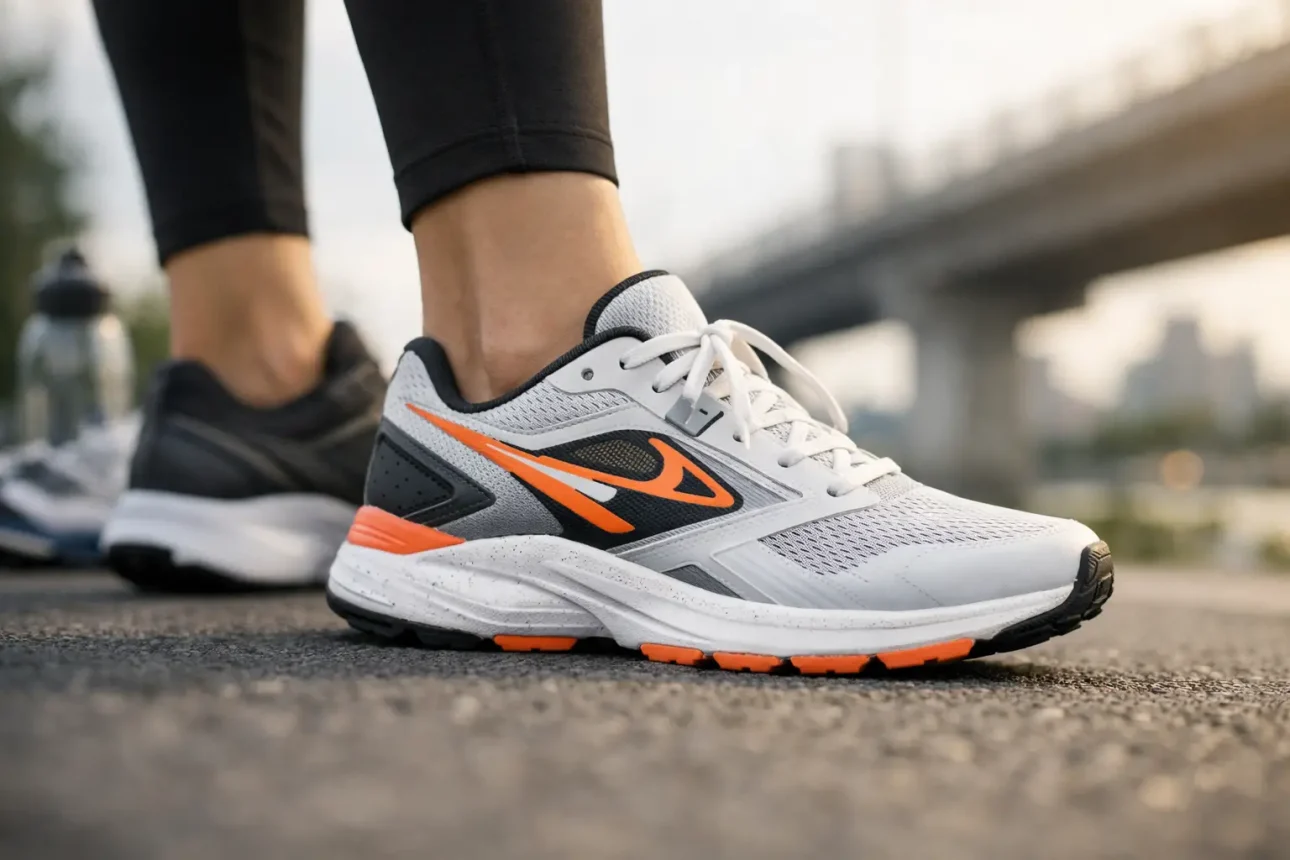
A cheap pair that hurts by mile two is not a bargain. It is just money spent twice. The best discount running shoes are the pairs that fit your actual runs, still have life in the midsole, and do not make you dread putting them on tomorrow.
That sounds obvious, but sale sections are full of traps. Loud colorways nobody wanted. Old models with a great reputation but the wrong shape for your foot. Lifestyle sneakers labeled “running” because the brand put mesh on them. We like a deal as much as anyone. We just want it to be a real one.
Price matters, but fit matters more. A running shoe can be marked down 40% and still be a bad buy if your heel slips, your toes hit the front, or the arch support feels like a golf ball under your foot. Ignore the original price for a second. Ask whether you would want to run in that shoe at the sale price if there were no red tag attached.
Start with the kind of running you actually do. If you jog two or three miles around the neighborhood, you do not need the most aggressive race-day foam or a carbon plate. Those shoes can feel fast, but they are expensive, less durable, and sometimes awkward at easy paces. A solid daily trainer is usually the smarter buy.
For longer, slower runs, look for cushioning that feels stable rather than squishy for the sake of it. For faster workouts, a lighter shoe with a firmer ride can make sense. Trail running needs grip and a more protective upper. Walking, commuting, and occasional treadmill miles call for a different kind of shoe again. One pair cannot honestly be best at everything.
The sale price should be the bonus, not the reason you choose it.
This is where most of the value lives. Brands refresh popular running lines every year or two, often changing the upper, tweaking the foam, or adding a louder logo. Sometimes the update is better. Sometimes it is basically the same shoe in a new jacket.
That means the outgoing version can be a smart pickup. Nike, Adidas, ASICS, Brooks, Hoka, New Balance, On, and Puma all have running models that move into sale territory when a replacement arrives. If the older pair fits you well and has the right level of cushioning, there is no prize for buying the newest number on the box.
We would take a previous-season daily trainer at a fair price over a brand-new fashion sneaker pretending to be a running shoe every time. The old model may not get comments at the coffee shop. Your feet will not care.
There is one catch. Do not buy a shoe just because runners online loved it three years ago. Foam, fit, and your own preferences still matter. A classic can be a miss for you.
A running shoe should feel good before you run in it. Not after a break-in period. Not after you convince yourself that the deal was too good to return. Modern running shoes should feel comfortable straight out of the box.
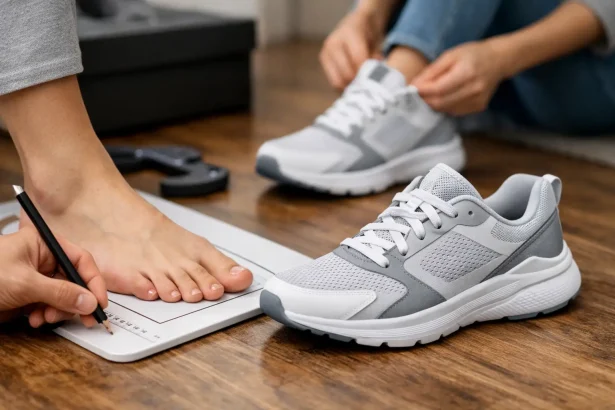
Leave about a thumbnail’s width between your longest toe and the end of the shoe. Your feet swell when you run, especially in heat or on longer sessions. A shoe that fits perfectly while sitting down can feel brutally short after five miles.
Your heel should stay put without needing the laces pulled painfully tight. Some heel movement is normal, but repeated slipping means friction and likely blisters. Check the middle of the shoe too. It should hold your foot in place without pinching the sides.
Width gets ignored far too often. Plenty of runners do not need a longer shoe. They need more room across the forefoot. If your pinky toe hangs over the edge of the insole or the upper pulls tight across the widest part of your foot, size up in width if that option exists. Going longer can work, but it may leave you with a sloppy heel.
Try shoes later in the day when your feet are a little fuller. Wear the socks you run in. Small details, but they beat guessing.
A soft shoe can feel amazing for thirty seconds in your living room. Then you run in it and notice your foot rolling around inside the foam. For some runners, especially on easy miles, that is fine. For others, it feels tiring and unstable.
Support does not always mean a stiff shoe with a giant post under the arch. Sometimes it comes from a broad base, a secure upper, and sidewalls that keep the foam from feeling wobbly. If you have been told you need stability shoes, that may be true, but do not treat the label as law. The shoe has to feel natural on your foot.
If pain keeps showing up during or after runs, do not keep buying random sale pairs hoping one fixes it. A running store fitting or advice from a qualified clinician is more useful than another discount code.
Not every marked-down runner is old stock. Some are simply built to hit a low price. That does not automatically make them bad, especially for gym sessions, dog walks, or short treadmill runs. But be honest about the job.
A budget shoe may have firmer foam, a thinner outsole, and a simpler upper. That can be perfectly fine for occasional use. It may not be the pair you want for marathon training or high weekly mileage. The problem is not that an affordable shoe exists. The problem is expecting it to do the work of a more durable trainer.
Also check how long the shoe has been sitting around. Unworn shoes do not last forever. Heat, humidity, and years in storage can affect foam and glue. A pair from last season is usually no concern. A mysterious model from a decade ago at a huge discount? We would pass, no matter how clean it looks.
There is a lot of pressure to buy the shoe serious runners wear. Most people do not need it. If you run once or twice a week, a dependable, comfortable trainer is enough. Spend less and replace it when the cushioning feels flat or the outsole is worn smooth.
If you run frequently, rotating two pairs can make more sense than buying one expensive pair and using it for everything. One cushioned daily shoe handles easy runs. One lighter pair handles faster days. Both last longer because neither gets hammered every session. You do not have to build a color-coordinated wall of sneakers. Two different jobs is plenty.
For runners who also want a shoe for errands and everyday wear, choose carefully. A running shoe can look sharp with joggers or jeans, but daily walking adds miles too. If it becomes your everywhere shoe, it will wear out sooner. That is not a flaw. It is just math.
The biggest mistake is buying the wrong size because it is the last pair available. We get the temptation. A rare color, a deep markdown, your usual size sold out. Still, a half-size too small is not going to become right after a few runs.
Another mistake is treating reviews as a fit guarantee. Reviews help identify patterns, like a narrow toe box or a short length. But feet are weird. A shoe that works for hundreds of people can still feel terrible on you.
Finally, do not assume a more expensive original price means a better shoe. Plenty of premium runners are specialized tools. They may be light, bouncy, and fun, yet wrong for easy miles or new runners. A modest daily trainer that feels good at 5 p.m. is often the better choice.
Discount running shoes are worth it when the discount lets you buy the right shoe, not when it talks you into the wrong one. Look for a secure fit, enough room up front, cushioning that matches your pace, and a purpose that matches your routine.
Then wear them. Get them dirty. Put real miles on them. The best deal is not the pair that stays perfect in the box. It is the pair you reach for without thinking because your run feels better in it.