Cart
No products in the cart.
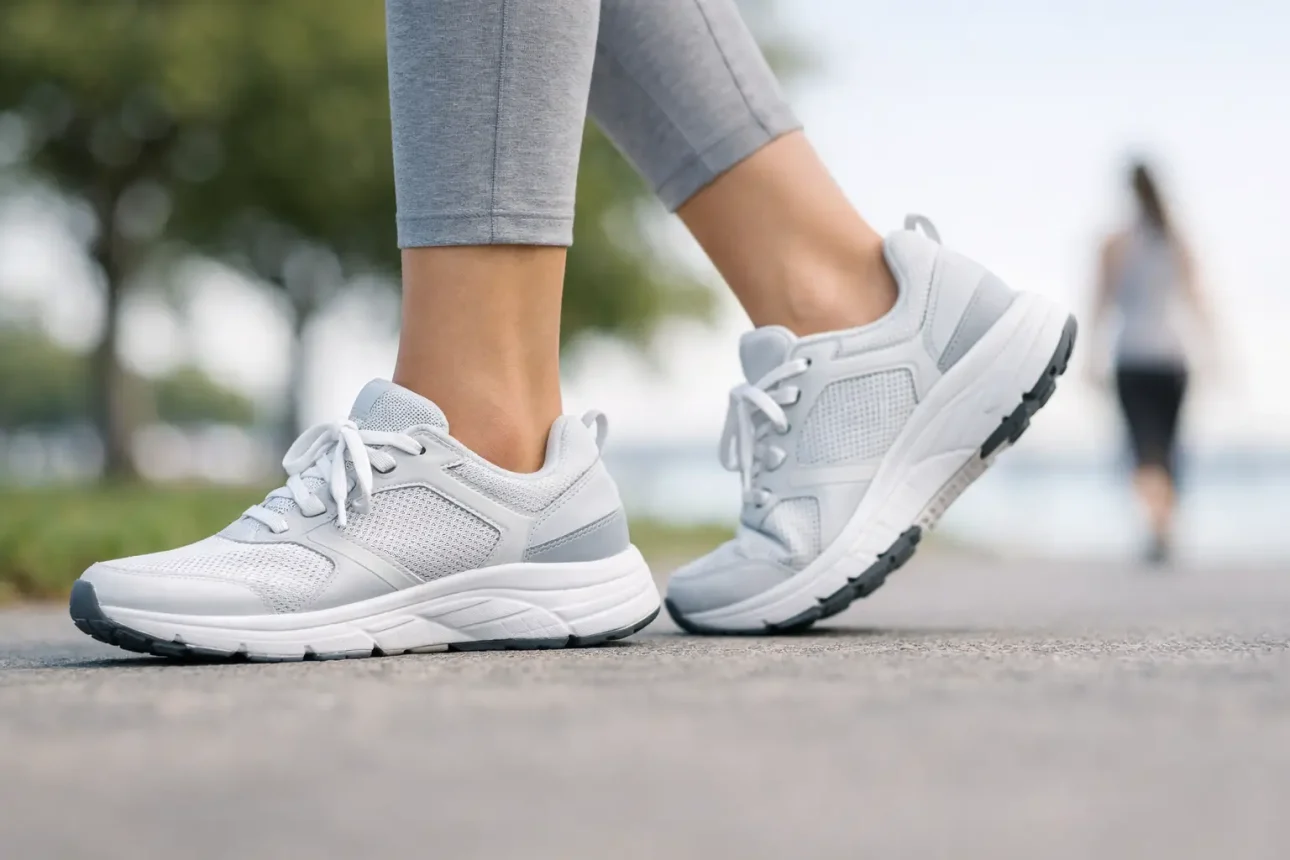
Some walking shoes feel fine for twenty minutes, then turn on you by lunch. That is usually the problem when people search for the best walking sneakers for women. They do not want a shoe that feels soft in the box. They want one that still feels good after errands, commuting, travel, or a full day on their feet.
We are picky about walking sneakers because brands love to blur the line between running, lifestyle, and actual all-day comfort. Not every popular sneaker deserves your money. Some look clean and wear terribly. Some are a little clunky but make long days much easier. If you want the pair that works for your routine, that trade-off matters more than whatever campaign a brand is pushing.
For walking, we care about four things. Cushioning helps, but only if it is stable. A very soft shoe can feel nice at first and then get sloppy once you have a few miles on it. Support matters too, especially if you spend a lot of time standing still, not just moving. Then there is fit. If the toe box is cramped or the heel slips, the rest of the shoe does not matter. Last, the shoe has to look decent enough that you will actually keep wearing it.
That is why the best walking sneakers for women are not all built the same. Some are made for long city walks. Some are better for standing all day at work. Some are basically running shoes that happen to walk well. Others are more lifestyle-driven and only make sense if your days are lighter.
If your top priority is comfort over long hours, the Clifton is one of the safest picks. It is light, cushioned, and easy on tired feet. The ride feels soft, but not so mushy that you feel wobbly. For travel days and big walking days, it does the job.
The downside is obvious. It is not the sleekest shoe in the room. Some colorways look sharp enough, but this is still a comfort-first sneaker. If you care more about clean styling than maximum cushion, you might not love it.
This is the grown-up answer. The 990 is not cheap, but it earns its place. Support is the big win here. It feels stable, secure, and solid underfoot, which matters a lot if your feet are working all day instead of just strolling for half an hour.
It also looks better with regular clothes than most performance walking shoes. Jeans, leggings, cargos, relaxed trousers – it works. The trade-off is that it feels firmer than super-plush options. If you want pillowy softness, this is probably not your pair.
The Ghost is one of those shoes that rarely offends. It fits a lot of people well, has enough cushion for long walks, and feels smooth without trying too hard. We like it for people who want a dependable sneaker and do not care about trend points.
That said, it is more practical than stylish. If you want one pair to cover long walks and everyday use, it works. If your outfit matters as much as your arch support, there are cleaner options.
We will be honest. Some On models get attention more for looks than comfort. The Cloudmonster is one of the better ones if walking is the actual goal. It has a bouncy, rolling feel that works well for covering distance, and it does not feel flat by the end of the day.
Still, this one depends on your taste. Some people love the shape. Some think it looks a bit too engineered. Also, if you like a very stable platform, there are better picks. It is fun, but not our first choice for everyone.
If you want softness without going full marshmallow, the Gel-Nimbus is a strong option. It is cushioned, comfortable, and a good call for people who walk a lot on pavement. It also tends to feel more balanced than some ultra-soft shoes.
The catch is price. You usually pay for it. And while newer versions look better than older ones, this is still more function than fashion. Worth it if your feet are the priority.
We like Ultraboost more for casual walking than hardcore all-day standing. It looks good, feels soft, and works well if you want one sneaker that can handle city walking and still pass as a stylish everyday shoe.
But let us be clear – it is a bit overhyped at times. The cushion feels nice, though not always as supportive over long hours as people expect. If you are doing serious daily mileage or standing at work, there are stronger options.
Nike can be hit or miss for walking. Some models look better than they wear. Right now, the Motiva and certain Vomero versions make more sense than the flatter lifestyle pairs people keep forcing into all-day use. They offer decent cushion, easy movement, and a look that does not scream orthopedic.
The issue is fit. Nike tends to run a bit narrower for some people. If your forefoot needs room, try before you commit or look toward New Balance or Brooks first.
If you walk a lot in one stretch – travel, commuting, weekends in the city – go for cushion and low fatigue. Hoka Clifton, Asics Gel-Nimbus, and Brooks Ghost make the most sense there. They are built for repeated impact and long wear.
If you stand for hours at work, we would lean more stable than soft. New Balance 990 is a standout. Some softer shoes feel amazing at first and then start feeling unstable when you are planted in one place for too long.
If you want one pair that can walk well and still look clean with everyday outfits, Adidas Ultraboost and New Balance 990 are easier to wear outside pure workout settings. On also sits in that lane if you like the design language.
And if your current habit is wearing flat lifestyle sneakers for long days, that is probably the first thing to fix. A lot of classic casual pairs look great in photos and feel rough by 5 p.m. We love a clean retro shoe, but not for ten thousand steps.
People get weirdly loyal to brands. We get it. But walking comfort is personal, and one brand’s shape might work against your foot. That is why fit beats logo every time.
A good walking sneaker should hold your heel without rubbing, leave enough room in the toe box, and feel secure through the middle of the foot. If your toes feel cramped standing still, they will feel worse once you start moving. If your heel slips in the store, it will not magically improve later.
This is also where socks matter more than people admit. Thin no-show socks can make a shoe feel roomier, while thicker athletic socks can completely change the fit. If you are between sizes, think about how you will actually wear the shoe, not just how it feels for thirty seconds.
A shoe can be comfortable and still miss if you hate how it looks. Then it sits in the closet. That is a waste of money.
We think the sweet spot is a sneaker that feels good enough for long wear and still works with your normal clothes. That is why models like the 990, Ultraboost, and some Nike walking-friendly pairs do well. They are not trying too hard, and they do not force you into a gym-only look.
On the flip side, some max-cushion shoes are just visually bulky. If that bothers you, be honest with yourself. You may wear a slightly less cushioned shoe more often if it fits your style better. There is no prize for buying the most comfortable pair if you never leave the house in it.
Not everyone needs the softest shoe on the shelf. If your feet prefer more ground feel, or you hate tall midsoles, the max-cushion category can feel awkward. Likewise, if you mainly walk short distances and care more about looks, a lighter everyday sneaker might be enough.
We would also skip shoes that are all trend and no substance. There are plenty of sneakers getting attention right now because they photograph well, not because they hold up on real walks. If the outsole feels flat, the upper feels flimsy, and the cushioning disappears after an hour, move on.
A solid walking sneaker should make your day easier, not just your outfit better. That is the line.
The best pair is the one you keep reaching for because it feels right every time. Not flashy. Not overexplained. Just solid, comfortable, and worth wearing again tomorrow.