Cart
No products in the cart.
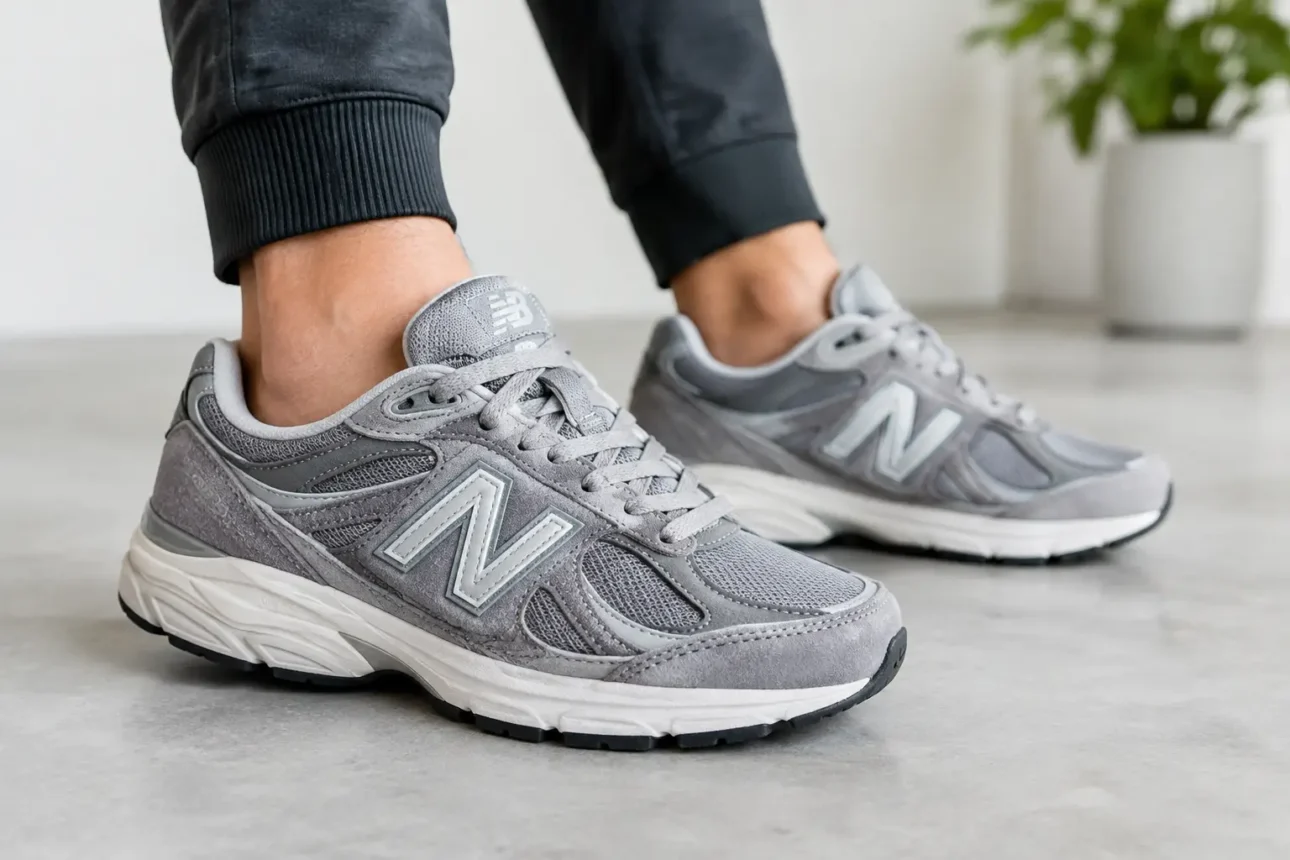
A New Balance shoe can feel perfect in your usual size, then the next pair can pinch across the forefoot. So, do New Balance run small? Usually, no. Most New Balance shoes run true to size in length. The catch is that several popular models feel narrow, shallow, or snug through the midfoot. That is what makes people think they need to size up.
If you are buying your first pair, do not assume every New Balance model fits like every other. A chunky lifestyle sneaker and a lightweight running shoe are built for different jobs. One may feel roomy right out of the box. The other may feel locked-in and tight until you get the sizing right.
For most people, we would start with your usual US sneaker size. New Balance is generally reliable on length, and jumping up a full size is usually a mistake. You can end up with heel slip, a sloppy stride, and a shoe that creases badly across the toe.
The better question is whether your feet are wide, high-volume, or sensitive across the toes. If they are, some New Balance styles can feel small even when the length is right. In that case, look for a wide width first. If the shoe is only available in standard width, going up a half size can help, but it also changes where the shoe bends on your foot.
We would rather see you in the correct length and width than in a longer shoe you are fighting all day.
New Balance does something a lot of sneaker brands barely bother with: it offers many shoes in multiple widths. Standard men’s sizing is often D width, while standard women’s sizing is often B width. Some models also come in narrow, wide, and extra-wide options.
That matters because plenty of people have been squeezing into a standard-width sneaker for years and blaming their toes. A wide option can feel dramatically better without adding length. If your usual sneakers feel tight at the sides but leave a thumb’s width in front of your toes, width is probably the issue.
The upper matters too. Soft mesh running shoes can give a little after a few wears. Leather and suede lifestyle pairs may soften, but they do not stretch enough to turn a narrow shoe into a wide one. If a leather pair hurts in the store, do not talk yourself into a painful break-in period. That is rarely worth it.
The 574 is one of the safer true-to-size picks. It has a casual, slightly roomy feel compared with slimmer retro runners. Most people should stick with their normal size. If you have a wide foot, check whether the version you want comes in a wide width before sizing up.
It is a solid everyday sneaker, but it is not a plush running shoe. The fit is forgiving enough for jeans, errands, and long walks, yet the shape is still more practical than sleek.
The 550 often feels snugger than the 574, especially around the forefoot and top of the foot. The length is usually true to size, but the firm leather upper and low-profile shape can make it feel tight on day one.
If your feet are narrow to average, take your usual size. If you are between sizes or regularly need extra toe room, a half size up is reasonable. Just do not expect the 550 to feel soft like a running shoe. It is a basketball-inspired sneaker with a structured fit. Clean look, less forgiveness.
The 327 runs fairly true in length but can feel narrow and a bit shallow through the front. Its long, slim shape looks sharp, though it is not the pair we would pick for a wide foot. Going up a half size may help if your toes feel crowded, but it will not create much extra width.
For average or narrow feet, your regular size should work. For wide feet, skip the gamble and choose a roomier New Balance model.
The 2002R and 1906R are generally true to size, with a secure running-shoe-style fit. They have more padding and a more flexible upper than leather retro pairs, so they tend to feel easier on foot straight away.
That said, neither is especially broad in a standard width. If you have wide feet, look for a wide version when available. If you are only a little wider than average, a half size up can work, especially if you wear thicker socks. Keep in mind that extra length can make the heel feel less planted.
The 9060 has a more generous, padded feel than the 550 or 327. Most people can go true to size. Its bulky shape and soft upper make it friendlier for average-to-slightly-wide feet, although truly wide feet should still consider width options over automatically sizing up.
This is the kind of sneaker that feels better than it looks like it should. It is big, a little weird, and surprisingly comfortable for everyday wear.
Running models such as Fresh Foam and FuelCell shoes should usually be bought in your normal running size, not necessarily your casual sneaker size. Your feet swell when you run, particularly on longer sessions or in warm weather. You want about a thumb’s width between your longest toe and the front of the shoe.
A performance fit can feel close around the heel and midfoot. That is normal. Your toes touching the front or going numb is not. If you are deciding between a snug standard-width shoe and the same shoe in wide, take the wide. A proper width is better than trying to force a half-size-up workaround.
Size up a half size only when you have a clear reason. Maybe you are between sizes, wear thick socks, use orthotics, or know that a certain model presses your toes. For running, a half size up can also make sense if you are buying based on a casual shoe size and have never allowed room for foot swelling.
Do not size up just because a shoe feels snug across the sides. First, check whether it comes in a wider width. This is especially true with New Balance. Their width range is one of the brand’s strongest points, and ignoring it is how people end up in sneakers that are too long.
A shoe should hold your heel without crushing the sides of your foot. You should be able to wiggle your toes, but your foot should not slide forward when you walk. That is the fit test that matters, not whether the number on the box matches every other brand in your closet.
Measure both feet at the end of the day, when they are at their largest. Stand up while you do it. Use the measurement of your larger foot, because buying for the smaller one is how toenails lose arguments.
Then think about how you will actually wear the shoe. Thin socks and short coffee runs are different from thick socks, commuting, and being on your feet until 5pm. Try them indoors on a clean floor before committing. Walk, turn, go up a few steps, and pay attention to the sides of your forefoot and the back of your heel.
If the shoe only feels stiff, give it a little time. If it feels sharp, numb, or cramped, send it back. Sneakers should not need a character-building phase to become wearable.
The right New Balance size is usually your normal length with the width your feet actually need. Start there, trust what your feet tell you, and do not let a popular model convince you that pain is part of the look.