Cart
No products in the cart.
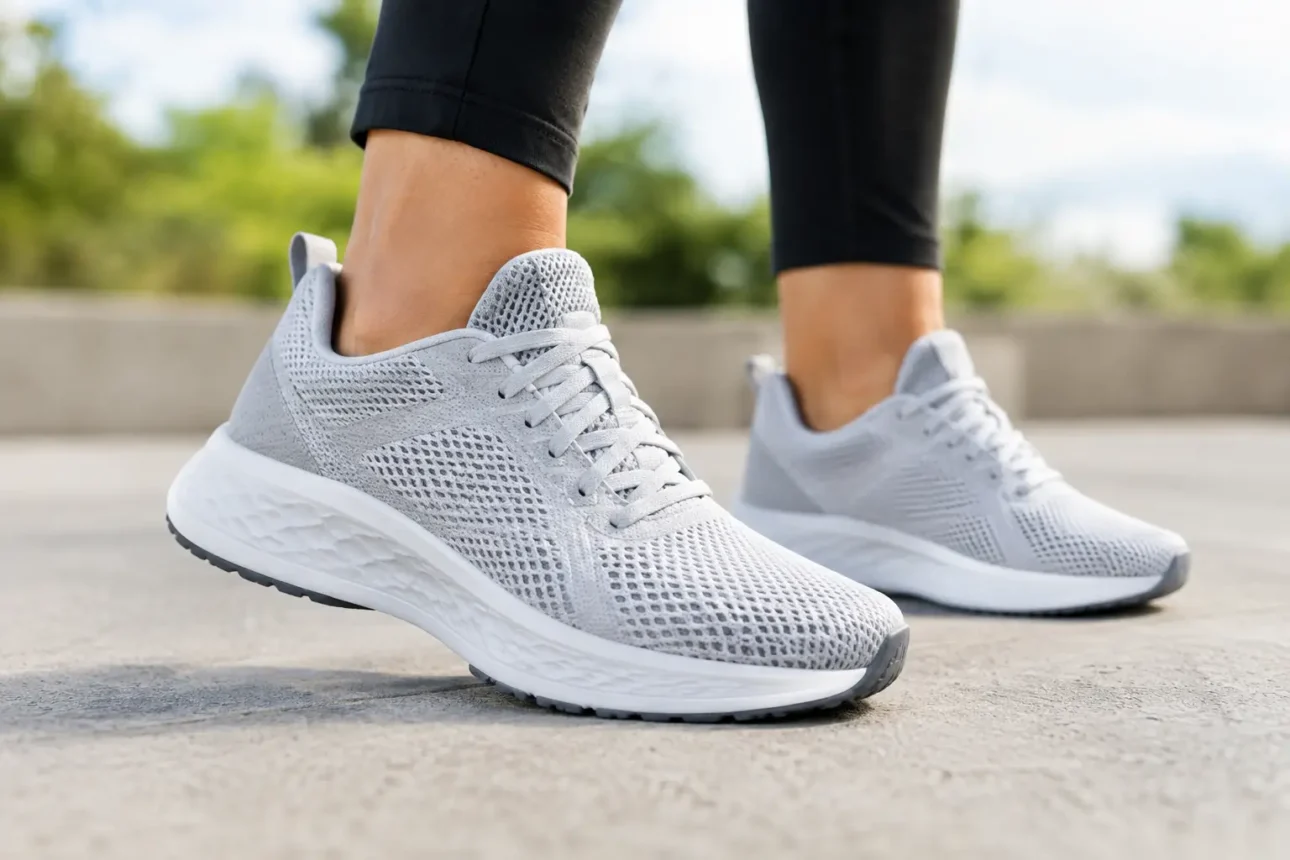
Mesh runners are the pair you reach for when your feet run hot, your commute involves more walking than planned, or summer has turned the sidewalk into a radiator. A good mesh upper feels light and lets heat out. A bad one feels flimsy, lets in every splash, and loses its shape before the season is over.
We like mesh because it solves a real problem. Nobody wants to peel off sweaty sneakers at the end of the day. But breathable does not automatically mean better. The right pair depends on where you wear it, how long you are on your feet, and whether you care more about a soft ride or a sharp-looking shoe.
Mesh is the woven or knitted material across the upper – the part wrapping your foot. Its main job is airflow. Compared with leather, suede, or thick synthetic panels, it gives warm air somewhere to go and usually makes the shoe lighter.
That matters more than brands sometimes make it sound. If you walk to work, stand through an eight-hour shift, or run when it is warm out, less trapped heat can make a shoe feel much better by late afternoon. The difference is not always dramatic in the first five minutes. It shows up after a few miles, a packed train ride, or a long day when your feet have started to swell a little.
Mesh also changes how a sneaker looks. It gives running shoes that technical, relaxed feel. A clean gray, black, white, or navy mesh runner works with joggers easily, but it can also make jeans and a plain tee look more put together without trying too hard.
The downside is simple: mesh is not armor. It does not love heavy rain, muddy paths, or getting scraped against a curb every week. Fine, open mesh can also show dirt fast, especially in light colors. If you want one pair to handle bad weather, festivals, and daily walking, a mostly mesh runner may not be the smartest pick.
Calling a shoe “mesh” does not tell you much on its own. Some uppers are wide open and airy. Others put a mesh layer under thick printed overlays, padded tongues, and extra lining. Those can still be comfortable, but they will not feel like wearing a screen door on your foot.
For hot weather and casual walking, we lean toward open engineered mesh. It has visible ventilation and a softer feel around the forefoot. Shoes from brands such as On, Brooks, Hoka, and Asics often do this well in their running-focused models. The best versions flex with your foot instead of folding into a hard crease over your toes.
For gym sessions, city miles, and everyday wear, a tighter knit mesh can be the better call. It gives you more structure and usually holds up better around the sides of the shoe. New Balance and Adidas often have options that sit nicely between airy running shoe and casual sneaker. They may run a little warmer, but they tend to feel less exposed.
Then there is fashion mesh. This is the stuff used on retro runners and lifestyle pairs. It often looks great – silver mesh with suede overlays has been working for decades for a reason – but it is not always built for actual running. That is fine. Just do not buy a retro runner expecting the support and cushioning of a current daily trainer. Some of the best-looking shoes are better for coffee runs than five-mile runs.
A breathable upper will not save a shoe with a harsh, flat midsole. If you are buying for long walks or standing, pay attention to what is under your foot first. You want cushioning that feels steady, not just squishy when you press it in the box.
Super-soft foam can feel amazing for ten minutes and tiring later if it is unstable. On the other hand, a firmer shoe can be a solid choice for errands, commuting, and casual wear because it keeps your foot from sinking around all day. There is no prize for choosing the softest option.
If you are actually running, look for a shoe intended for daily training rather than a lifestyle model with a runner-shaped silhouette. Nike, Asics, Brooks, Hoka, On, and Puma all make real running shoes, but each model has its own feel. Try to match the shoe to your use, not the logo on the side.
Mesh has some give, but it should not be doing all the work. A runner that feels tight across your toes in the store will still feel tight after an hour outside. Your foot expands when you walk or run, especially in heat. Leave about a thumb’s width between your longest toe and the front of the shoe.
The heel should feel held without being clamped down. A little movement is normal. Full heel slip is annoying and can lead to rubbing. Before you blame the size, try a heel-lock lacing pattern. It can make a real difference on shoes with a roomy collar.
Width is where plenty of people get caught out. Mesh can stretch slightly across the forefoot, but a narrow platform is still narrow. If the side of your foot is hanging over the midsole or the upper is pulling hard at the little-toe area, size up will not always fix it. Look for a wider version or a model with a roomier toe box instead.
We would also skip the old advice that shoes need a painful break-in period. A new pair can soften up a bit, but it should not hurt. If a sneaker creates pressure points while you are standing still, it is not suddenly going to become your favorite pair after 30 miles.
Mesh runners are great in dry, warm conditions. They are less great when the weather turns. Open mesh takes on water quickly, and once your socks are wet, the whole light-and-breezy thing stops feeling so clever.
For wet commutes, cold days, or trail use, choose a shoe with a tighter upper, water-resistant treatment, or more protective overlays. You will give up some airflow. That is the trade-off. We would rather wear a slightly warmer shoe than arrive somewhere with soaked socks.
They are also not the best choice if you drag your toes when walking or running. Mesh at the front can wear through fast if it meets pavement over and over. Reinforced toe areas help, but they do not make the shoe indestructible. A tougher upper may look less sleek, yet it is often worth it if you are hard on footwear.
And if your main goal is a sharp sneaker for nights out, do not force yourself into a performance mesh runner just because it is comfortable. Some look bulky. Some look like they should only be near a treadmill. A retro mesh runner with suede or synthetic overlays can give you the same lighter feel with a cleaner everyday look.
The annoying part of light mesh is how quickly it collects dust and road grime. Do not throw your sneakers into a washing machine unless the brand specifically says you can. The spinning, soaking, and heat can mess with glue, foam, and shape.
Instead, let dirt dry, brush it off gently, then use a soft cloth with lukewarm water and a small amount of mild soap. Work slowly. Scrubbing hard can push grime deeper into the weave or rough up the fibers. Take out the laces and insoles first so the shoe can dry properly.
Air-dry them indoors, away from direct heat. A radiator or dryer can warp the midsole and make the glue age faster. Stuffing the toe with plain paper helps the upper hold its shape while it dries.
If you rotate between two pairs, both pairs will last longer and smell less like a locker room. That is not sneaker collecting for the sake of it. It just gives the foam and lining time to dry out between wears.
Start with your normal day, not your ideal one. If you walk a few miles, take public transit, and wear sneakers with almost everything, choose a versatile mesh runner with moderate cushioning and a color you will not baby. Black, gray, cream, and muted blue are usually easy wins.
If you run regularly, buy for the run first. Your running shoe does not need to be your best-looking sneaker, and your best-looking retro runner does not need to handle your training plan. Keeping those jobs separate is not excessive. It is just honest.
At Sneakerness, we think the best mesh runners earn their place because you forget about them once they are on. They do not cook your feet. They do not pinch your toes. They do not ask you to build an outfit around them. Find that pair, wear it hard, and do not worry when a little dirt proves it has left the box.