Cart
No products in the cart.
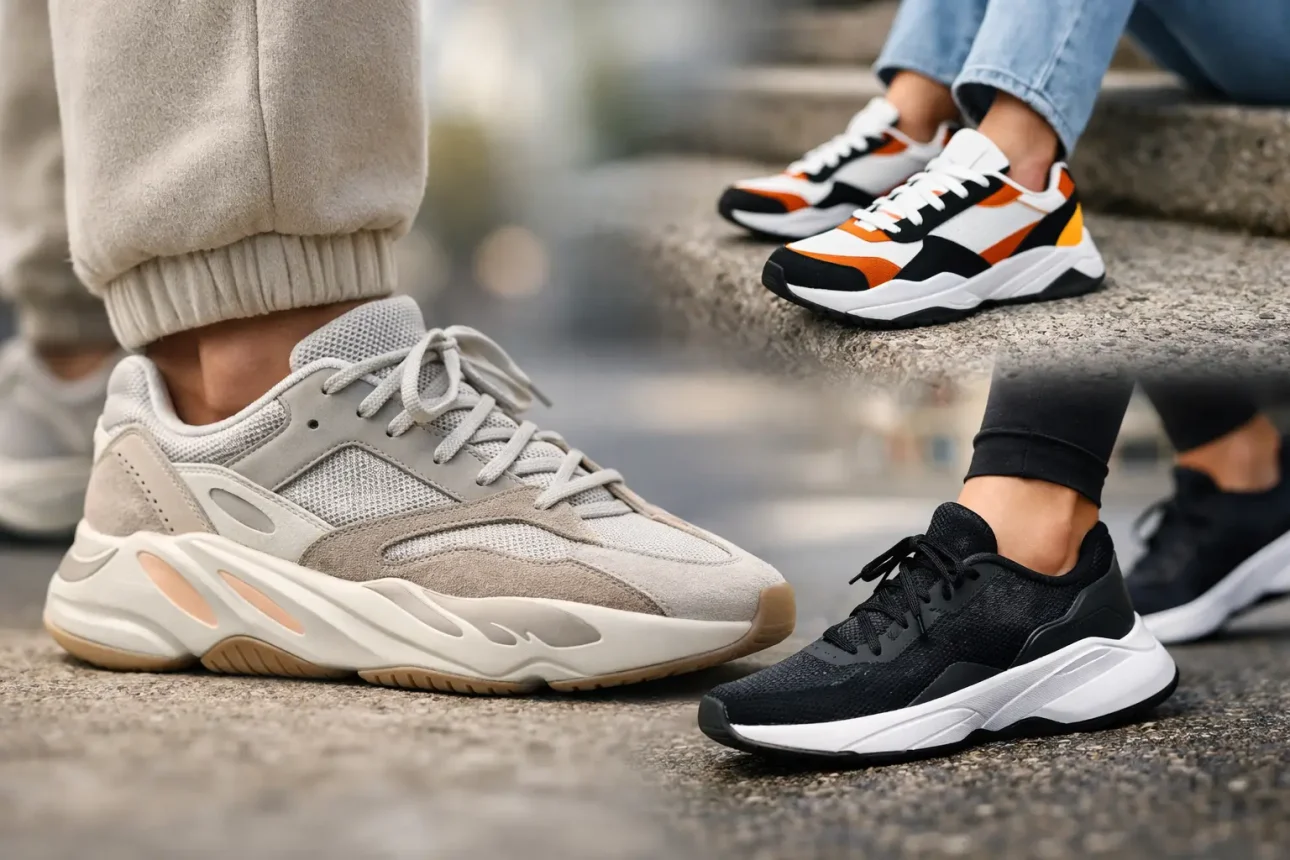
The loudest sneaker in the room is not always the best one. This year, the pairs getting worn most are lower, lighter, and easier to style than the huge statement shoes from a few seasons back. Sneaker trends this year are less about chasing a logo and more about finding a shoe that looks sharp with your actual clothes and still feels decent at 5 p.m.
That does not mean every trend is practical. Some are cool for a photo and miserable for a full day. We are separating the pairs with staying power from the stuff that will sit in the back of the closet.
The bulky dad shoe is not gone, but it is no longer the default answer to every outfit. Low-profile sneakers are having a real moment. Think slim soles, close-to-the-ground shapes, and clean uppers in leather, suede, or nylon.
Adidas Samba, Gazelle, and Handball Spezial-style shoes are still everywhere. That is partly because they are easy to wear. They work with straight-leg jeans, loose trousers, shorts, and even the wider pants people are still wearing. The problem is that the most obvious colorways are starting to feel a little played out. A black-and-white pair is safe. It is also the pair you will see on three other people before lunch.
Our take: keep the low-profile shape, but choose a less predictable color. Brown, dark green, muted blue, cream, or a gum sole can make the same basic outfit look considered without trying too hard. Onitsuka Tiger-style runners and retro indoor shoes also fit here, especially if you want something slimmer than a classic skate shoe.
There is a trade-off. Most low-profile shoes do not offer much underfoot. They are fine for coffee, commuting, and everyday plans. If you walk several miles, work long shifts, or spend all day standing, do not pretend a thin flat sole is suddenly your comfort shoe. It is not.
Retro running shoes are the best all-around style story right now. They have enough shape to make an outfit interesting, but they are not as stiff or flat as many terrace sneakers. New Balance remains strong here for good reason. Models with mesh, suede overlays, and a slightly cushioned midsole look casual without feeling flimsy.
ASICS has also earned its place beyond the running crowd. Silver mesh runners, white-and-blue colorways, and early-2000s-inspired designs have been everywhere, and some of them look better in real life than on a product page. The right pair gives you a little movement and texture, especially when the rest of your outfit is simple.
This is where we would be careful with the exaggerated Y2K look. Metallic panels, bright accents, and a busy sole can look good. All of them at once can look like you dressed for a costume party. If you want a shoe you will still wear next year, let one thing do the talking: a silver detail, a bright lace, or a strong color panel. Not all three.
Retro runners also make more sense for people who want one pair for regular use. They usually have more padding than a low court sneaker, and mesh keeps them from feeling too heavy. They are not automatically running shoes just because they look like old running shoes, though. Wear a current performance model if you are actually training.
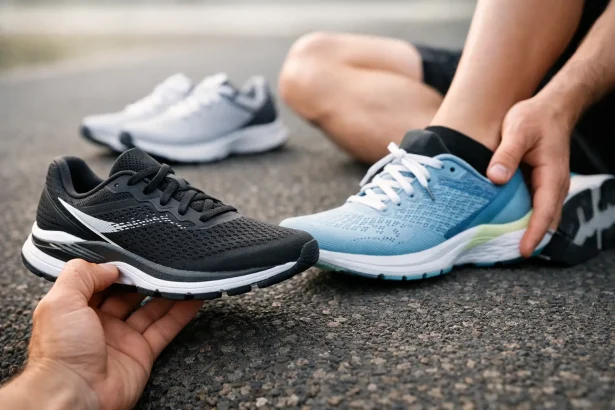
The line between running sneaker and casual sneaker keeps getting blurrier. Hoka, On, Brooks, ASICS, Nike, and New Balance all have cushioned performance models that people wear for errands, travel, work, and long days on their feet.
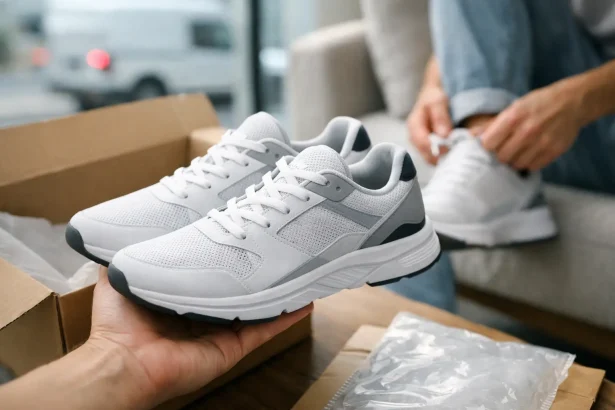
We get it. A thick foam midsole feels good when you have been walking around all day. For a lot of people, that matters more than whether the shoe is technically trendy. The cleaner versions of these shoes are easy to style now too. White, gray, black, sand, and soft blue work with joggers and jeans without looking like you forgot to change after the gym.
But this trend has a weak spot: giant foam does not automatically look good. Some max-cushion runners are comfortable and kind of ugly. That is fine if comfort is the job. We would not force them into a sharper outfit just because they are popular. A sleek running-inspired shoe or a balanced daily trainer gives you more options if you care equally about feel and looks.
For travel, long workdays, and anyone who racks up steps, this is one trend worth taking seriously. Try the shoe later in the day if you can. Feet swell. A pair that feels perfect at breakfast can feel tight by dinner.
Bright sneakers will always have fans, but the colors getting the most wear this year are quieter. Brown suede, warm beige, gray mesh, cream leather, and dusty green are easy to pair with what people already own. They also hide scuffs better than a fresh white shoe, which is not a small thing.
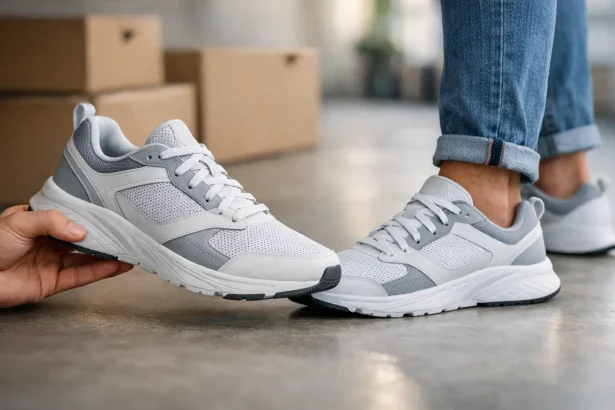
Gray is especially useful. It works with black denim, light-wash jeans, navy, olive, and most neutral outfits. It is not boring when the materials are good. A gray mesh runner with darker suede panels has more depth than an all-white leather sneaker, and it does not demand constant cleaning.
Off-white is another strong choice, but be honest about your routine. A cream shoe looks softer and less stark than bright white. It can also look dirty fast if you wear it through bad weather and never clean it. If you want a true grab-and-go pair, darker accents are your friend.
Mesh, ripstop nylon, trail-inspired soles, reflective hits, and utility laces are still around. The best versions feel functional, not theatrical. A mesh upper makes sense in warm weather. A grippy outsole makes sense if you walk on wet sidewalks. Reflective details are a nice extra when they are subtle.
What we would skip is the full techwear costume unless that is genuinely your style. A sneaker with a massive trail sole, aggressive straps, neon piping, and a weird molded upper can be fun, but it has a short shelf life. It also limits the rest of your wardrobe. Most people get more wear from a simple runner with one technical detail than a shoe that looks like hiking equipment from the future.
A good trend cannot save a bad fit. That sounds obvious, yet people still buy shoes half a size too small because the color looks right. Do not do that. Your toes need room, your heel should stay put, and the upper should not pinch across the widest part of your foot.
Different brands and models fit differently. Some retro shoes run narrow through the forefoot. Some cushioned runners have a wider, more forgiving base. If you have a wider foot, do not buy a slim indoor-style sneaker and hope it will stretch into a different shoe. Leather may give a little. The sole shape will not.
Think about what the pair needs to do. A low-profile suede shoe is great for dinner, casual office days, and weekends. A stable running shoe makes more sense for standing all day. A retro runner sits nicely in the middle. You do not need ten pairs. You need a few that cover real life.
If you want the safest style choice, go for a retro runner in gray, cream, navy, or a muted two-tone colorway. It looks current without screaming for attention, and it will handle more walking than a flat court shoe.
If your wardrobe is mostly jeans, cargos, and relaxed pants, a low-profile suede sneaker still works. Just avoid the exact pair everyone else has if you want it to feel personal. A gum sole or darker color can do a lot.
If comfort is non-negotiable, buy the cushioned shoe and own it. Pick a clean color, wear it with confidence, and stop listening to anyone who thinks sore feet are part of having style. At Sneakerness, we would rather see you wear one solid pair constantly than collect shoes that look good only from across the room.
The best pair this year is the one that fits your day, not somebody else’s feed. Choose a shape you will wear often, a color that works with your clothes, and enough comfort that you do not start regretting it halfway through the afternoon.