Cart
No products in the cart.
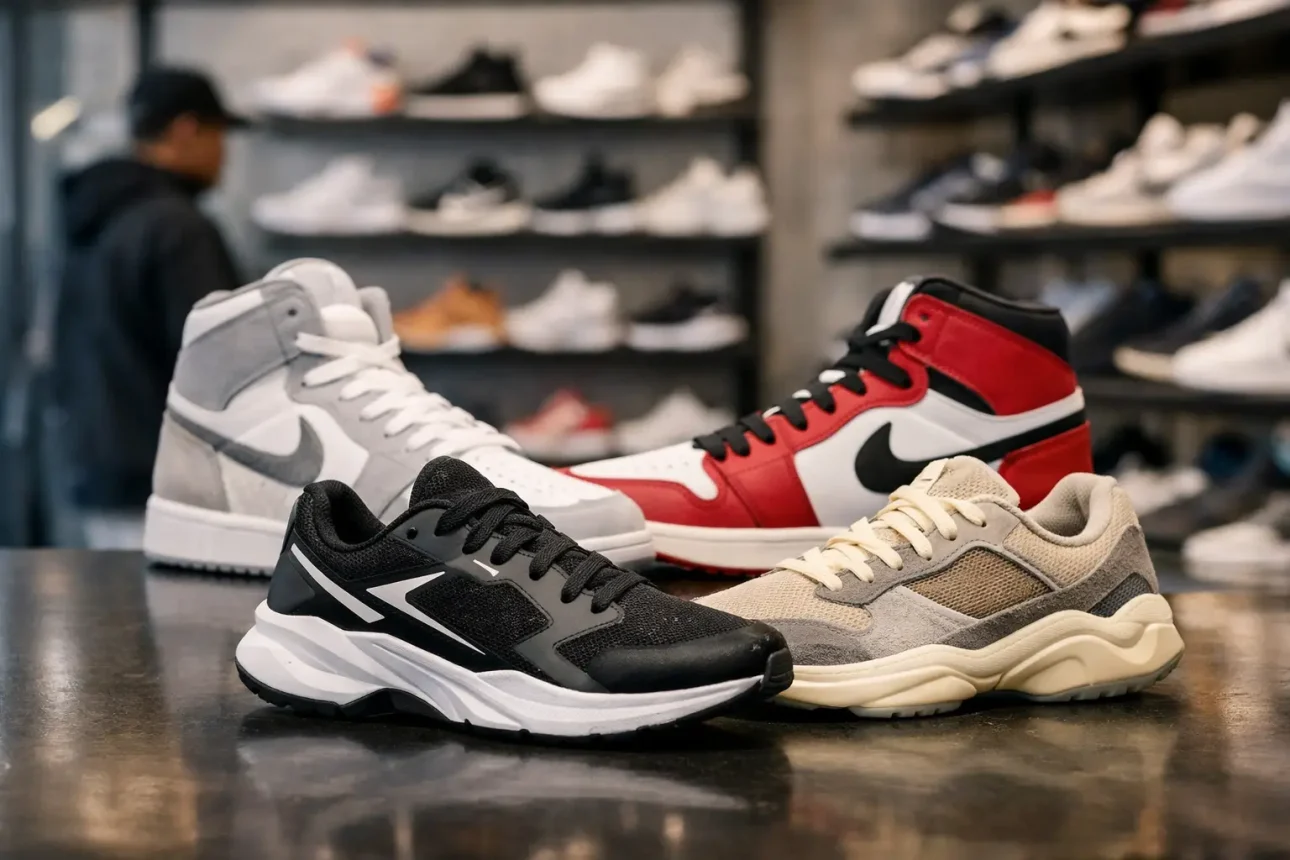
Some people shop by brand like it’s a personality test. We don’t.
A good multi brand sneaker store makes more sense for most people because real life is messy. Maybe you like Nike for gym days, New Balance for everyday wear, and Hoka when your feet are cooked by 5 p.m. That doesn’t make you disloyal. It makes you normal.
What matters is finding the right pair for how you actually live, not forcing every choice through one logo. That’s the whole point of shopping across brands. You get options. You compare shapes, prices, and comfort without bouncing between five tabs and guessing which store is giving you the better deal.
Single-brand stores are fine if you already know exactly what you want. If you’ve decided on one specific model, one color, one size, done. But that’s not how most people shop. Most people are choosing between a few looks, a few fits, and a budget that isn’t unlimited.
That’s where a multi brand sneaker store earns its keep. You can line up Adidas against Puma, compare a clean retro pair from Onitsuka Tiger with a chunkier New Balance, or decide whether On is worth the extra money over Asics for your daily miles. You’re not trapped inside one brand’s idea of what your shoe rotation should look like.
And let’s be honest, every brand has hits and misses. Nike makes some great everyday pairs. It also makes some shoes people buy for the name and then barely wear. New Balance has plenty of solid options, but not every model deserves the love it gets online. Hoka can feel amazing for long days on your feet, but some pairs look like orthopedic space boots. That’s fine. The point is choice.
A huge catalog can be helpful. It can also be a mess.
The best multi brand sneaker stores don’t just dump every shoe onto a page and hope you figure it out. They make it easy to shop by brand, style, and use. That matters more than people think. If you’re buying for standing all day, you don’t need to wade through flat lifestyle pairs that look sharp but feel rough after a few hours. If you want something clean for weekend wear, you probably don’t need a max-cushion running shoe that makes your jeans sit weird.
This is where curation beats noise. We’d rather see a tighter selection of pairs people actually want to wear than endless filler in bad colors and random sizes. A store should help you narrow down quickly. Not test your patience.
This is the part people skip. They buy based on photos, then wonder why the shoes live by the door after two wears.
If you’re walking a lot, softer midsoles and forgiving uppers usually win. If you’re standing all day, stable comfort matters more than flashy design. If you mostly want a pair for outfits, shape matters more than technical details. Some shoes look great in a product shot but feel dead on foot. Others are a little clunky but end up being the pair you reach for every morning.
That’s why cross-brand shopping is useful. Different brands are good at different things. Brooks and Asics tend to make practical pairs that just work. On has a cleaner modern look, but not everyone loves the feel. Adidas still does casual sporty style really well. Puma has underrated options when you want something affordable that doesn’t look cheap.
Let’s say the quiet part out loud. A lot of sneaker pricing is branding, not value.
People get talked into paying extra because a shoe is trending, not because it fits better or wears better. Sometimes the expensive pair is worth it. Often it isn’t. A multi brand sneaker store gives you context. You can see when two shoes do basically the same job but one costs a lot more because the marketing team had a good month.
That’s helpful if you want style without burning your budget. It also helps practical buyers who just need something solid for work, commuting, or everyday wear. You shouldn’t have to overpay to get a shoe that feels good and looks clean.
Competitive pricing matters here. So does being able to compare across brands in one place. The more isolated a product is, the easier it is to oversell it. Put it next to real alternatives and the truth shows up fast.
That said, lowest price doesn’t automatically mean best buy.
A bargain pair that goes flat fast, creases badly, or feels awkward after an hour is just money wasted slower. We’d take a slightly more expensive shoe that holds up over time every time. The trick is knowing where extra money gets you something real – better comfort, better materials, better day-to-day wear – and where you’re just paying for noise.
That’s another reason multi-brand shopping works. You can spot the middle ground. Not the cheapest. Not the most hyped. Just the pair that’s worth it.
Here’s something people learn the hard way. Your size is not universal.
You might be perfect in a New Balance lifestyle model and hate the fit of a Nike runner in the same number. Some brands run narrow. Some feel short. Some have great step-in comfort but weird heel hold. If you only shop one brand, you can start blaming your feet when the real issue is the last shape.
A multi brand sneaker store gives you room to adjust. If one brand never quite works for your foot shape, move on. No drama. There are plenty of good shoes out there.
This matters even more online, where you can’t try on six pairs in a stockroom. The more options you have in one place, the easier it is to compare and make a smarter call. Good filters, clear product categories, and honest sizing info do a lot of heavy lifting.
A lot of good sneaker style comes from not trying so hard.
The cleanest rotations usually mix brands. Maybe a retro Adidas pair for casual outfits, a sharp On model for travel days, and a cushioned Asics or Hoka pair for long shifts. That mix works because each shoe has a job. You’re not forcing one brand to cover every mood, outfit, and kind of day.
This is also how you avoid the trap of buying sneakers for approval instead of wear. Some pairs are all internet and no real-life mileage. They photograph well. Then they sit in the box. We’d rather have a rotation full of shoes you actually use.
A multi brand sneaker store helps with that because it shifts the focus away from tribal loyalty and back to what matters – fit, feel, shape, price, and whether the pair still makes sense after the hype wears off.
Nobody wants to solve a puzzle just to buy sneakers.
The online stores worth using make the process straightforward. You should be able to move between brands easily, check prices in your own currency, and get to the product details fast. Free shipping helps too. Not because it’s flashy, but because extra costs at checkout are annoying and usually kill the mood.
We think simple beats clever here. Clean navigation. Good selection. Fair pricing. No fake scarcity banners trying to rush you into a bad choice. If a store trusts its lineup, it doesn’t need to shout.
That’s one reason the multi-brand model works so well online. It mirrors how people actually shop. You compare. You think about your budget. You choose the pair that makes sense. Done.
SneakerNess fits that lane well because the range is broad without feeling chaotic. You can shop big names, compare styles across brands, and find something that works whether you care more about outfits, comfort, or both.
The best sneaker buy usually isn’t the loudest one. It’s the pair you keep wearing without thinking twice. That’s what a good multi brand store helps you find.