Cart
No products in the cart.
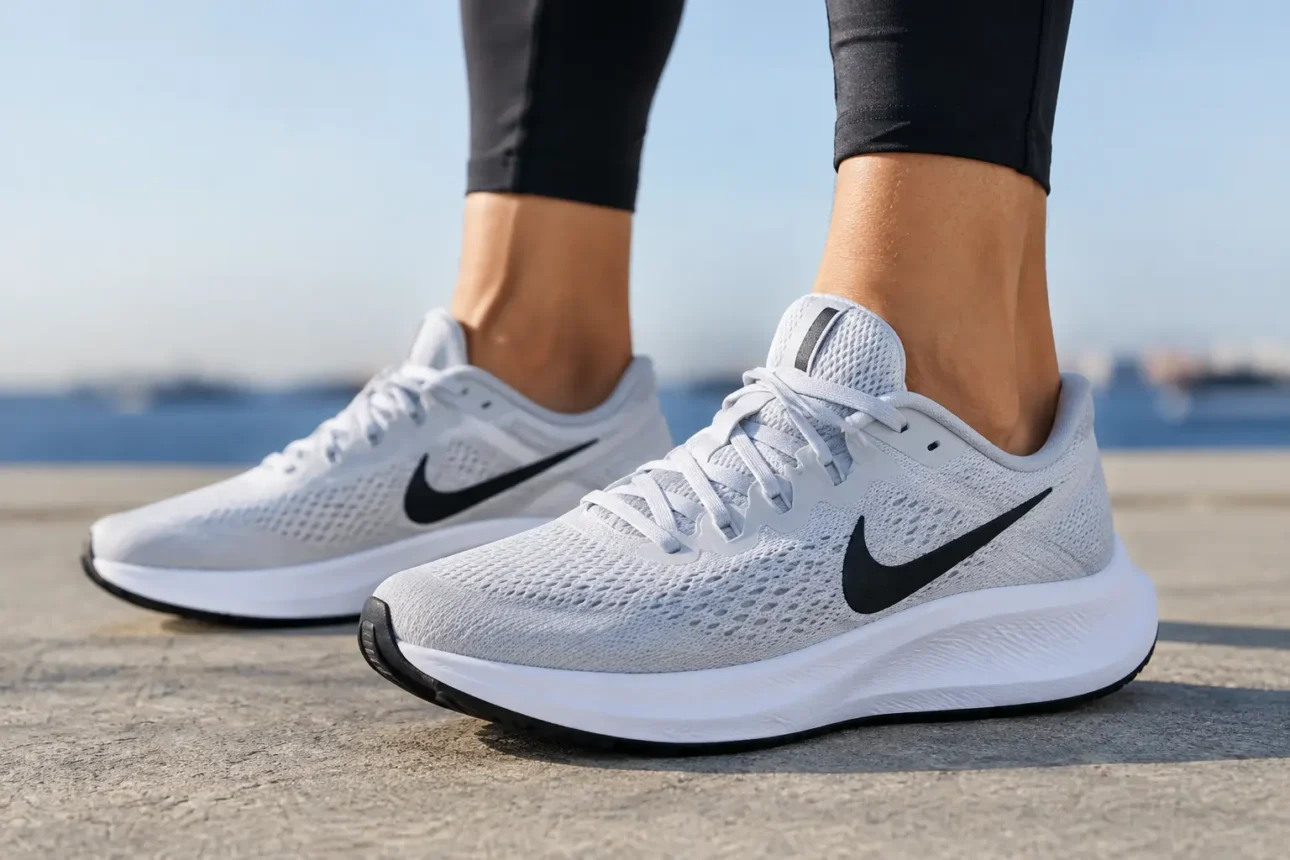
The Nike Pegasus has been around long enough to earn trust, not just attention. That matters. A lot of running shoes feel amazing for one short try-on, then turn weird after a few miles. This Nike Pegasus review is about the stuff that lasts: how it fits, how it rides, and whether it still makes sense when you just want one pair for regular runs and real life.
We’ll say it straight: the Pegasus is not the most exciting shoe on the wall. It is also not trying to be. It is a dependable daily trainer with a clean look, a familiar feel, and enough cushioning for most runners who are not chasing race-day records every weekend.
The main reason people keep coming back to the Pegasus is simple. It does a lot of jobs without being bad at any of them. Easy miles, a few quicker stretches, treadmill runs, dog walks, travel days, errands – it handles the whole mix.
The ride usually sits in the middle. You get cushioning underfoot, but not the soft, sinking feeling that can make a shoe feel slow or wobbly. The foam is more controlled than plush. That is a good thing if you like to feel stable when your legs get tired, or if you spend part of the day walking around after your run.
Nike often uses responsive air-based cushioning in the Pegasus line, and the result is a bit of bounce rather than a dramatic trampoline effect. Don’t expect a speed shoe. The Pegasus will not make an easy run feel like a race. What it does give you is a consistent, predictable step from mile one to mile six or ten.
That predictability is underrated. Some shoes are fun but fussy. They only feel good at a certain pace, on a certain surface, with fresh legs. The Pegasus is easier than that. Lace it up and go.
This is also one of the better running shoes for people who care how their shoes look off the road. The Pegasus has a low-key shape that works with shorts, joggers, jeans, and a hoodie. It does not scream performance shoe from across the room.
That makes it a solid choice if you want one pair that can cover a morning run and the rest of your day. We would still avoid using any running shoe as your only everyday beater if you run serious mileage in it. Constant pavement walking wears down the outsole and midsole. But for normal life, the Pegasus fits in easily.
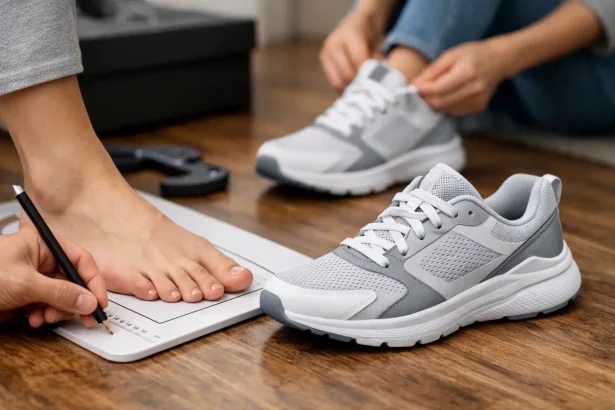
Fit is where you should slow down before checking out. The Pegasus usually has a secure, fairly standard Nike running-shoe fit. For many people, that means true to size. The heel tends to feel held in place, and the midfoot has enough structure that your foot does not slide around on turns.
The toe box is the part to watch. It is not painfully narrow for most runners, but it is not roomy either. If you have a wide forefoot, high-volume feet, or you just hate a close fit around your toes, try the wide version when it is available. If it is not available, this may not be your shoe.
Do not buy a standard-width Pegasus hoping the upper will stretch into a wide shoe. It might relax a little with wear, but not enough to change the fit in a meaningful way. A cramped toe box turns an otherwise good shoe into a bad purchase fast.
For runners with average-width feet, the upper is one of the shoe’s strengths. It feels secure without needing a complicated lacing setup. The tongue and collar generally add enough padding to keep the shoe comfortable, though people who prefer an ultra-light, barely-there upper may find it a little more traditional than they want.
That is the Pegasus in a sentence: traditional, but not dated.
The Pegasus gets called an all-rounder, which is fair. But all-rounders always involve trade-offs.
First, it is not especially soft. If your favorite runs are slow recovery miles and you want a shoe that feels like a pillow, there are better options. A more cushioned daily trainer from brands like Hoka, Brooks, New Balance, or ASICS may suit you better. The Pegasus has enough protection for regular training, but it is built around balance, not maximum softness.
Second, it is not a true speed-day shoe. You can pick up the pace in it, and the shoe will not fight you. Still, it lacks the aggressive snap and lightweight feel that makes intervals or race efforts more fun. If you are building a two-shoe rotation, use the Pegasus for most days and add something lighter and faster for workouts.
Third, the design can feel a little safe. That is not an insult, but it is real. Nike updates the Pegasus over time, yet the core idea stays familiar. If you want a totally different ride every season, you may call it boring. We call it sensible. Just do not mistake sensible for exciting.
The Pegasus makes the most sense for runners who want one reliable daily shoe. It is especially good for newer runners, casual runners, and anyone returning to running who does not need a highly specialized setup. It works well for people training two to five days a week and covering a mix of short runs, moderate runs, and walks.
It also suits the practical buyer who does not want to own five pairs of shoes. If your runs are mostly on pavement, sidewalks, treadmills, or packed paths, the Pegasus gives you a balanced platform that is easy to live with.
You may want to look elsewhere if you need a wide, generous toe box; want the softest possible cushioning; or are buying a shoe mainly for long, slow recovery days. It is also not our first pick for trails. The outsole can handle the occasional park path, but this is a road shoe. Mud, loose rocks, and wet roots are asking more of it than it was made to do.
For standing all day, the answer depends on what you like underfoot. The Pegasus is more supportive and cushioned than flat lifestyle sneakers, so it can be a good option for long shifts. But if standing is the whole job, not running, a walking-focused or max-cushioned shoe may feel better by late afternoon. What feels good at 8 a.m. is not always what feels good at 5 p.m.
At full price, the Pegasus is worth it if its fit works for you and you want a shoe that can take regular use. The outsole is usually tough, the upper is built for daily training, and the shoe does not rely on a fragile, race-only feel. You are paying for a proven formula, not a gimmick.
Still, we would not pretend every colorway at full price is a must-buy. The Pegasus is a regular production running shoe, and previous versions or less flashy colors often show up at better prices. When the fit is right, grabbing a pair on sale is one of the smarter sneaker buys you can make.
Be careful with older pairs that have been sitting around for years, especially if you are buying them for serious running. Foam can change with age even when the shoe looks fresh. For everyday wear, that matters less. For regular mileage, newer stock is the safer call.
The Nike Pegasus is not built to impress people who only want the newest, strangest, softest shoe available. It is built for the runner who wants to stop thinking about shoes and start moving.
That is why it has stayed relevant. It is stable enough for daily miles, cushioned enough for most people, and clean enough to wear after the run. If you have average-width feet and want a dependable road shoe that does not demand much from you, the Pegasus is a solid bet. Try the wide version if you need more room, and skip it if you want a super-soft ride. The right running shoe should make your day easier, not give you another thing to overthink.