Cart
No products in the cart.
A clean pair of Ons can make you feel like you have your life together. Then you notice the heel pods looking chewed up after a few months and ask the fair question: are On shoes durable?
Our straight answer: mostly, yes. But they are not indestructible, and some On models hold up much better than others. The soft, hollow CloudTec pods that make the brand look different are also the part most likely to show wear first. If you buy the right pair for how you actually move, they can be a solid daily shoe. If you use a lightweight road runner as a work shoe, trail shoe, gym shoe, and weekend beater, don’t expect magic.
For normal walking, commuting, errands, travel, and casual use, On shoes are generally durable enough. Most people will get a good run out of them before the upper gives up. The real question is whether the outsole stays looking clean and feeling stable for as long as you expect.
On’s CloudTec setup uses individual foam elements under the shoe. They compress on landing and give the shoe its distinct soft-but-springy feel. It works. It also means there are grooves and exposed edges where regular foam midsoles would be more protected.
On rough sidewalks, gravel, wet pavement, and concrete, those edges can get scraped down. Heel strikers usually see it first. If you drag one foot a little when you walk, you will see it even faster. This is not a defect. It is the trade-off of a sole built around soft cushioning and that podded look.
For casual wear, that cosmetic wear is usually not a big deal. A few scuffs and flattened edges do not mean the shoe is done. What matters is whether the pods have collapsed unevenly, the rubber has worn smooth in high-contact areas, or the shoe has started to feel tilted underfoot.
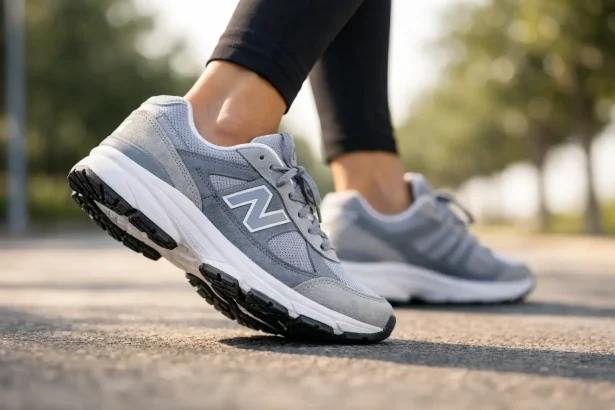
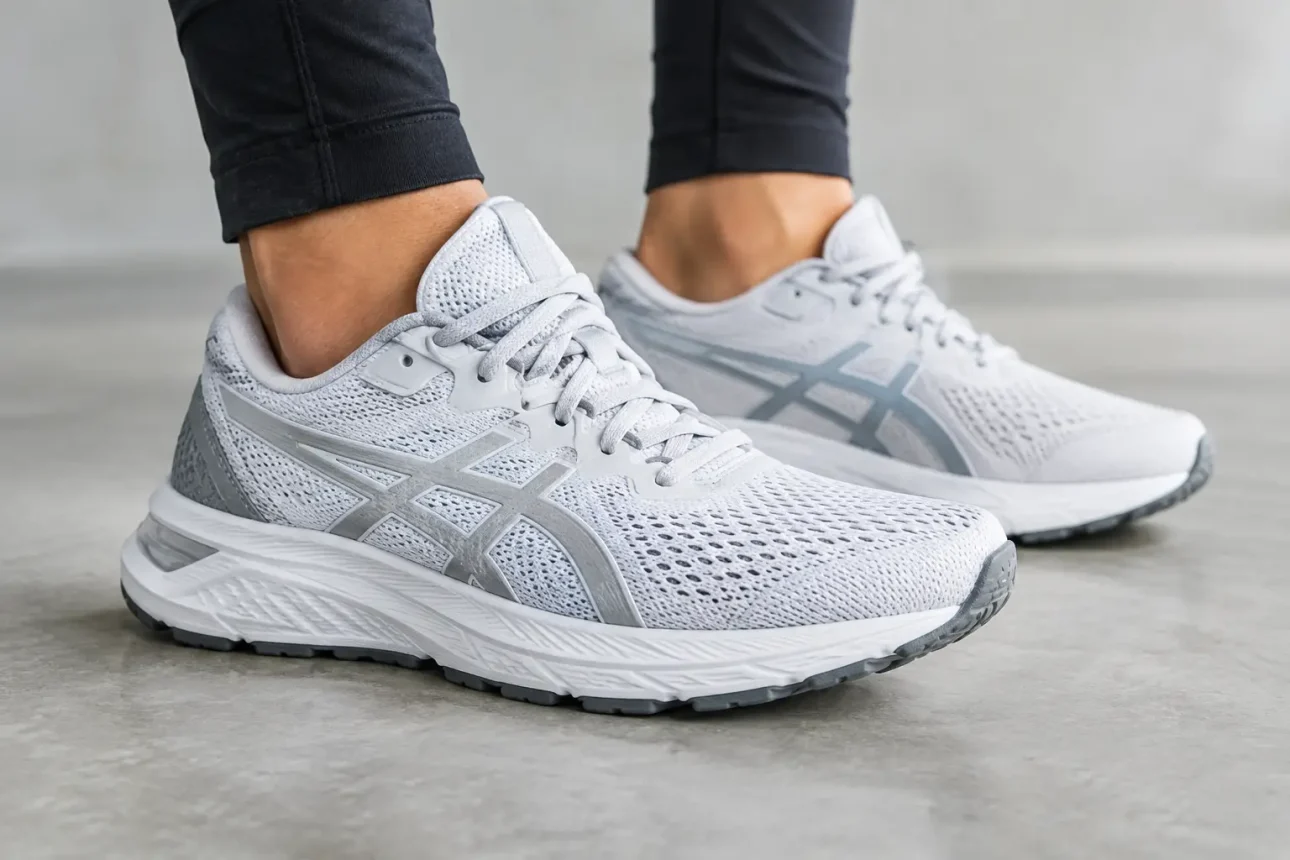
We would not call most On models the toughest shoes in the sneaker world. Brands such as New Balance, Asics, Brooks, and Hoka often have models with more rubber under the heel and forefoot. But toughness is not the only point. On shoes are usually lighter, cleaner-looking, and easier to wear with everyday clothes than many bulky stability runners.
The outsole is the main weak spot, especially on models with lots of exposed CloudTec foam. Rubber lasts longer than foam. That sounds obvious, but it matters when you are choosing between two shoes that look similar from the side.
A model with strategic rubber pads in the heel and forefoot will usually age better than one with broad areas of bare foam. If you walk fast, stand on hard floors all day, or run several times a week, look closely at how much of the bottom is actually covered in rubber.
The second thing to watch is the upper. On often uses lightweight mesh and engineered fabric to keep shoes airy and sleek. It feels good and keeps weight down, but thin mesh is not made for being scraped against curbs, kicked around in a warehouse, or crushed through muddy trails.
Most uppers hold up fine when treated like running or walking shoes. The common trouble spots are the toe box, where your big toe rubs from inside, and the outer forefoot, where the shoe flexes thousands of times. A fit that is too tight makes both problems happen sooner. If your toes are pressing against the front from day one, size up or pick a roomier model. Do not hope the upper will sort itself out.
The laces, eyelets, and heel collars are usually not where On shoes fail. They tend to be well put together. Still, lighter lifestyle models can look tired faster than a heavier daily trainer because their materials are designed for a clean profile, not hard abuse.
If you run in On shoes, expect the usable life to vary by model, your weight, your stride, and the surfaces you run on. For many road-running shoes, a realistic range is around 300 to 500 miles before cushioning and traction start to drop off. Some runners get more. Some get less.
Do not judge a running shoe only by the outsole. The sole can still look decent while the midsole has lost its snap. If your usual route suddenly feels harsher, your legs feel more beat up than normal, or the shoe creases and leans in one direction, it may be time to retire it from runs.
Lighter, faster On models are usually the ones we would treat with more care. They are built to feel quick, not to survive every bad decision you make in them. Save them for road runs, races, and lighter sessions. Do not turn them into your all-day work pair if you want them to last.
Daily trainers with more cushioning and more outsole coverage are the better call for runners who want one shoe to handle regular mileage. They may not feel as sharp, but they are the more sensible buy if durability matters.
The Cloudrunner is a safer choice for walking, standing, and regular easy runs than the lightest On options. It has a more substantial build and is meant to take repeated everyday use.
The Cloudmonster is another better bet if you want a cushioned On for frequent road miles. It has a bigger platform and feels more planted than the brand’s slim casual models. It is not a tank, but it is not pretending to be one either.
The Cloud 5 works well as a casual shoe. It is light, easy to wear, and looks clean with jeans or joggers. We would not pick it for high-mileage running or hard daily work shifts, though. It is a lifestyle shoe first. That distinction saves people a lot of disappointment.
Trail-focused On models are the smarter move if your routes include dirt, rocks, roots, and wet paths. Their tougher uppers and more aggressive rubber handle abuse better than a road shoe’s exposed pods. Wearing road runners on trails is a quick way to chew through them.
A shoe can be durable for one person and frustratingly short-lived for another. Someone wearing Cloud 5s to class, coffee shops, and the office may keep them looking good for a long time. Someone standing eight hours on polished concrete, walking home, then using the same pair for gym sessions will burn through them much faster.
Surface matters too. Smooth pavement is easy on shoes. Rough concrete, gravel, salted winter sidewalks, and treadmills with a gritty belt are not. Rotation helps more than people think. Giving a pair a day off lets the foam rebound and lets moisture dry out. It also means you are not grinding the same pressure points into one outsole every day.
If you only want one pair for everything, choose the more practical option over the sleekest one. A slightly heavier daily trainer with decent rubber coverage will outlast a featherweight style most of the time. It may not look as sharp in photos. Your feet and wallet will probably care more about week six than day one.
You do not need a complicated care routine. Keep them away from washing machines and dryers, which can weaken adhesives and distort foam. Brush off dirt after messy walks, especially around the CloudTec gaps where small stones can get lodged. Pull stones out instead of ignoring them until they grind into the sole.
Use them for their lane. Road shoes on roads. Trail shoes on trails. Casual shoes for casual days. That sounds boring, but it is the difference between getting steady wear and wondering why a lightweight sneaker looks wrecked after a season.
Also, do not wait until the outsole is completely bald. Once a shoe wears unevenly, it can change how it feels underfoot. Retire it from running when the ride feels dead, then use it for errands if the upper and grip are still in decent shape.
Yes, if you like the fit, the clean design, and the firm-to-springy feel On does well. They are durable enough for their intended jobs, but they are not the best pick if your only goal is maximum mileage for the money. There are tougher shoes out there, and we would say so every time.
Buy On when you want a shoe that handles everyday life and still looks good doing it. Pick a model with enough rubber and cushioning for your routine. Treat it like the shoe it is, not a tool for every surface and every sport, and it should give you a solid run.