Cart
No products in the cart.
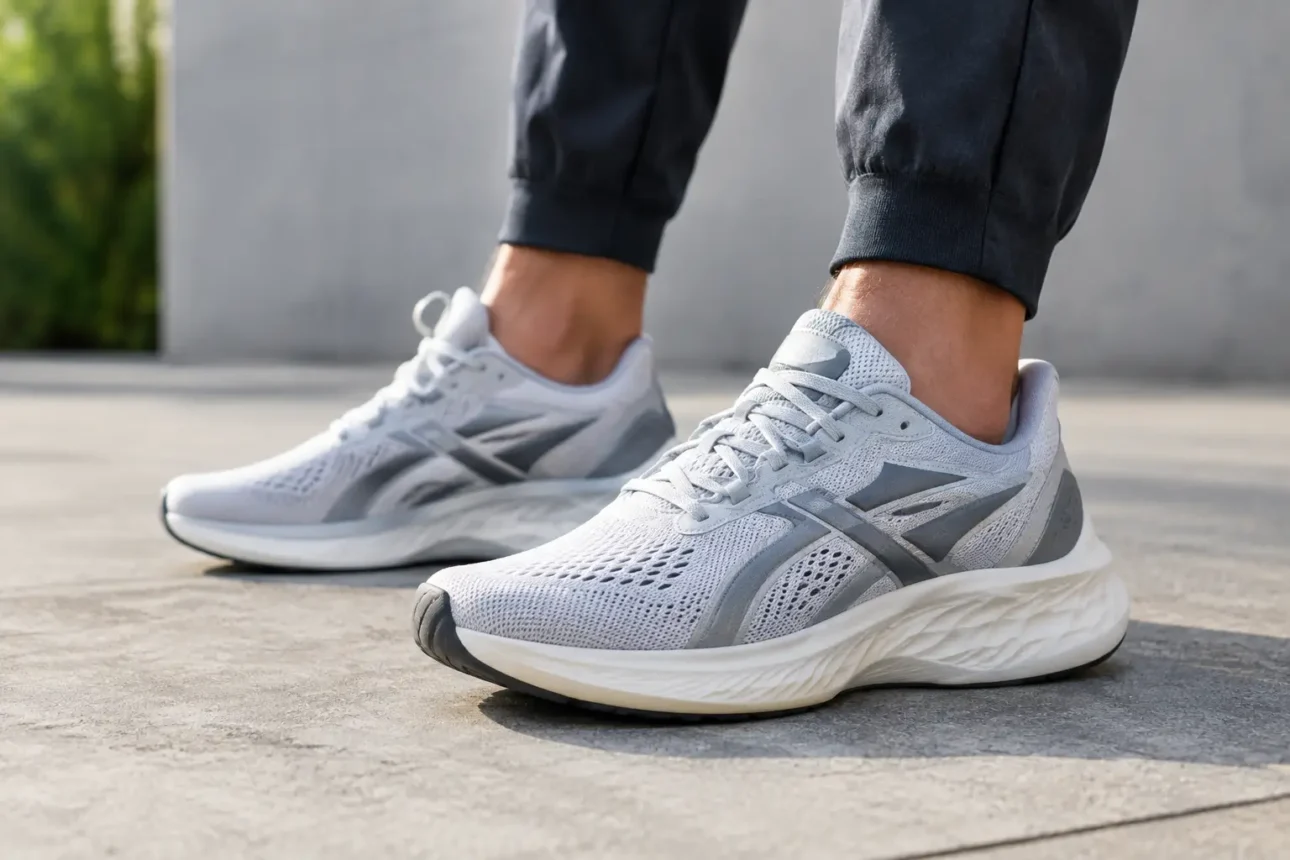
A good running shoe can make a long day on your feet feel a lot less annoying. That is why people ask, can running shoes be casual? Short answer: absolutely. But not every running shoe looks right with regular clothes, and wearing your actual training pair every day can ruin a shoe you paid good money for.
We are not here to tell you that every foam-stacked, neon-colored race shoe belongs under a pair of jeans. Some do not. The best casual running shoes balance comfort, shape, and color without making it look like you got dressed for a 10K by accident.
Running shoes stopped being just gym gear a long time ago. Brands make models that are built for miles but clean enough for coffee runs, travel days, campus, and the usual walk-around life. The line between performance sneakers and lifestyle sneakers is not as hard as it used to be.
Still, there is a difference between a shoe that can be worn casually and one that works well as an everyday sneaker. The biggest factor is the silhouette. A low, balanced shoe in white, gray, black, cream, navy, or a simple two-tone colorway is easy to wear. Put that same shoe in bright orange with a huge carbon-plated sole, and it starts asking for attention you may not want to give it.
We like running shoes as casual sneakers when they look intentional. New Balance 990-style runners, ASICS GEL-Kayano and GEL-Nimbus colorways, Adidas Ultraboosts, On Cloud models, and plenty of Nike running shoes can all work. Some are cleaner than others. That is fine. You do not need a minimalist shoe to look put together.
The real miss is treating every technical shoe like a fashion shoe. A super-narrow racer with an exaggerated rocker may feel fast, but it can look weird with slim jeans and wear out quickly on sidewalks. Great for race day. Not our first pick for daily errands.
Most casual sneakers are designed to look good first. Running shoes are designed to protect your feet while they repeat the same impact thousands of times. That gives them a clear advantage when your day involves commuting, standing at work, traveling, or walking more than you planned.
A decent running shoe usually has more cushioning, a lighter upper, and a sole that flexes or rolls more naturally than a flat fashion sneaker. At 5 p.m., that matters more than a logo on the side. If you spend all day on concrete, skip the thin, flat shoes just because they photograph well.
They also work with how people dress now. Joggers and running shoes are an obvious match, but the combo is not limited to athleisure. A clean pair can look sharp with relaxed jeans, carpenter pants, shorts, chinos, and an oversized tee or hoodie. The goal is not to look overly styled. It is to look like the shoe belongs with the rest of the outfit.
There is also something honest about wearing a shoe that is actually comfortable. You should not have to choose between looking good and having toes that hate you by lunchtime.
Here is the part brands do not always say loudly: a running shoe is not invincible. Its midsole foam is made to absorb impact, but it compresses over time. The more you wear it, the less fresh and supportive it feels.
If you run three or four times a week in the same pair you also wear every day, you will burn through it much faster. The outsole may still look fine while the cushioning underneath has lost its pop. That matters most if you depend on that shoe for running comfort.
Our honest take: keep a separate pair if you run regularly. Use your running pair for runs. Buy a casual-friendly running shoe, or retire an older running pair to walking and everyday wear once it is no longer right for training. You get more life out of both pairs, and you are not showing up for a run in shoes that have already done a full shift at work.
This is especially true with soft max-cushion shoes. They feel great for walking, but the foam can crease and pack down with constant use. That does not make them bad casual shoes. It just means they are not a forever purchase.
You do not need to overthink this, but a few details make the difference.
White, off-white, gray, black, silver, tan, navy, and muted green are safe because they work with almost everything. That does not mean bright colors are banned. A bold shoe can make a simple outfit better. Just let it be the loud piece. If the shoes are electric blue, maybe do not pair them with patterned pants and a graphic shirt fighting for the same attention.
Thick soles are normal now. Hoka, On, and max-cushion ASICS models can look good casually, especially with looser pants. But there is a limit. If the shoe is extremely tall, aggressively curved, or built around a race-day plate, it looks more technical. Wear it if you like it, but know the vibe is sporty, not classic.
Baggy jeans and relaxed cargos can handle a chunkier shoe. Straight-leg denim looks good with most running shoes. Skinny jeans are harder. A bulky running shoe under very tight jeans can make your feet look oversized, and not in a cool way.
Cropped or ankle-length pants are easy with runners because they show the shoe. With longer pants, avoid letting a wide hem bunch up around the heel. It makes even a clean sneaker look messy.
Running shoes are allowed to look worn. They are shoes, not museum pieces. But gray midsoles, mud-caked mesh, and frayed laces can make an otherwise solid outfit look careless. Brush off dirt, wipe down the foam, and wash laces when they get grimy. Do not throw most running shoes in a hot washing machine. It can mess with the glue and shape.
The best options are usually daily trainers with a simple upper and a stable, not-too-wild platform. Think of shoes that feel good for a walk but do not look like lab equipment on your feet. Neutral New Balance runners, a toned-down Nike Pegasus, Adidas Ultraboost, Brooks Ghost, ASICS GEL-Nimbus, and many On Cloud styles fit the brief depending on the colorway.
Retro running-inspired sneakers are even easier. Onitsuka Tiger, classic ASICS styles, older Adidas runners, and New Balance lifestyle models give you the runner look without asking you to wear a high-performance shoe for no reason. If style matters more than logging miles, these are often the smarter buy.
What would we skip for daily casual use? Carbon-plated race shoes, track spikes, shoes with exposed air pods that feel unstable, and anything so soft that you wobble while standing in line. Also, some trail runners look tough in a good way, but aggressive lugged soles can be annoying on indoor floors and loud against cleaner outfits.
That does not mean you cannot wear them. It means there are better tools for the job.
The easiest move is a clean running shoe with relaxed jeans, a plain tee, and an overshirt or sweatshirt. It works because nothing is trying too hard. A black or gray pair with black pants is even simpler, especially if you want the shoe to blend in rather than stand out.
For warmer weather, wear running shoes with above-the-knee shorts, crew socks, and a loose tee. This can look great or painfully forced. The difference is usually the shoe. Keep it clean and avoid a colorway that looks like it came straight from a sponsored race kit.
Joggers are fine, but do not assume they automatically work. Tapered joggers with a sleek runner are solid. Super-tight joggers with a giant foam shoe can feel dated. Relax the fit a little and the whole look gets better.
If you are dressing up even slightly, choose a quieter runner. Dark jeans, chinos, or tailored pants can work with a black, gray, or white performance sneaker, but only if the shoe is not overly futuristic. A sleek pair is more useful here than a huge cushioned model.
If you mostly walk, commute, travel, and stand around, buying a running shoe for casual wear makes sense. Get the comfort. Get the breathable upper. Get a pair you will reach for without thinking about it.
If you are a serious runner, protect your training shoes. A second pair is not excessive when each pair has a different job. At Sneakerness, we would rather see you wear a shoe hard for the right reason than pretend it needs to do everything.
Pick the pair that feels good after hours, fits the clothes you already own, and does not make getting dressed complicated. That is casual enough.