Cart
No products in the cart.

A surprise downpour is a fast way to find out what your shoes are made of. So, are sneakers waterproof? Most of them are not. Even plenty of expensive running shoes will let water in through the mesh, tongue, collar, or stitching long before you step in a real puddle.
That does not make them bad shoes. It just means they were built to breathe, flex, and feel light, not to act like rain boots. The right pair depends on whether you need something for occasional wet sidewalks or hours outside in nasty weather.
The terms sound close, but they mean different things on your feet.
Water-resistant sneakers can handle a little rain, damp grass, or a splash from the curb. Their upper may have a tighter weave, a protective coating, or materials like treated leather and synthetic overlays. Water beads up at first. That is useful, but it is not a promise that your socks will stay dry in a storm.
Waterproof sneakers are made to block water from getting inside. Usually, that means a waterproof membrane sits behind the upper. You may see materials labeled GORE-TEX, or a brand’s own waterproof liner. The shoe also needs sealed construction around common leak points. A waterproof upper without a properly designed tongue is like closing your umbrella but leaving a gap above your head.
Here is the catch: waterproof shoes are normally less breathable. On a cold, wet walk, that trade-off is worth it. On a warm day, your feet can feel sweaty because heat and moisture have fewer ways out. We would not choose waterproof shoes as our only everyday pair unless rain is a regular part of the plan.
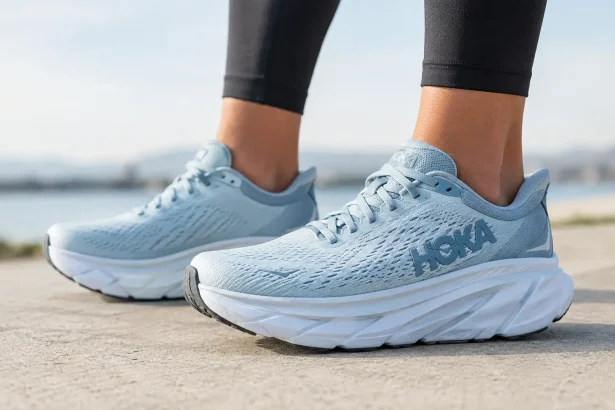
Most lifestyle and performance sneakers use mesh because mesh works. It keeps the shoe light, lets air move around your foot, and gives runners and walkers a less stiff feel. It also lets rain through almost immediately.
A leather sneaker may look safer in wet weather, and sometimes it is. Smooth leather blocks light rain better than open mesh. But the seams, lace area, ankle opening, and tongue can still leak. Suede is even worse. It can handle normal wear, but soaking it is asking for water marks, stiffness, and a pair that looks tired before its time.
Canvas shoes are not rain shoes either. They are clean in dry weather and easy to wear with almost anything, but canvas absorbs water quickly. If the forecast is wet, leave them home. There is no prize for pretending otherwise.
The outsole matters too, but for a different reason. A grippy rubber outsole helps you stay steady on slick pavement. It will not stop water entering the shoe. Waterproof and slip-resistant are separate things, and a shoe can be good at one while being average at the other.
For most people, water resistance is the sensible middle ground. If you commute, walk the dog, run errands, or occasionally get caught in rain, you probably do not need a fully waterproof sneaker. You need an upper that does not surrender at the first splash, plus an outsole with enough grip for wet concrete.
Look for tighter woven uppers, synthetic overlays around the toe, and leather or coated textile panels. Trail-inspired sneakers often make more sense here than a classic mesh road runner. They tend to have tougher materials and deeper tread without feeling as heavy as a hiking boot.
This is also where style matters. A clean leather pair can deal with a brief wet walk and still look right with jeans, chinos, or joggers. Just do not confuse a leather upper with a waterproof build. If you are standing at a bus stop while rain runs down your pants, water can still find its way in from the top.
Go waterproof when wet weather is not an occasional inconvenience but part of your routine. Maybe you walk to work year-round. Maybe you live somewhere with long, wet winters. Maybe you spend weekends on muddy paths and do not want to spend the rest of the day in wet socks.
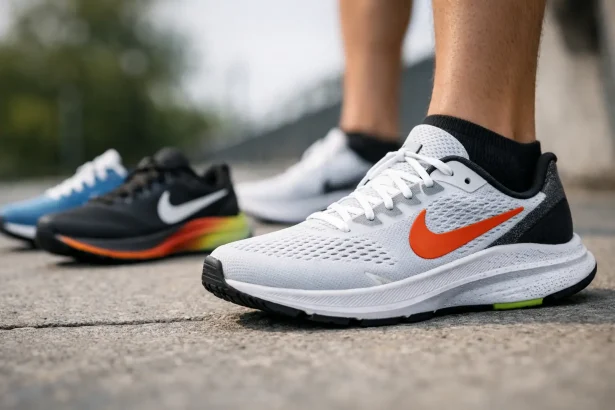
Waterproof trail runners are usually the best call if you want a sneaker feel with real weather protection. They are lighter and more flexible than traditional boots, while giving you a membrane and a more serious outsole. Brands such as Nike, Adidas, New Balance, ASICS, Hoka, Brooks, and On all have weather-ready options in different parts of their lineups, though the exact construction matters more than the logo on the side.
For city use, we would keep it simple. Choose a waterproof sneaker with a lower profile, neutral colors, and an outsole that does not look like it belongs on a mountain rescue team. Huge lugs can be useful on trails, but they are overkill for sidewalks and can feel awkward on smooth indoor floors.
Also be honest about depth. A waterproof sneaker protects against rain and shallow puddles. Step into water above the ankle collar and it will pour in from the top. Once that happens, the waterproof liner can make drying take longer. That is not a flaw. That is physics.
Do not guess from photos. A dark upper, chunky sole, or words like “all-weather” do not automatically mean waterproof. Check the product details for a stated waterproof membrane or waterproof construction. If it only says water-repellent or water-resistant, expect light protection, not all-day rain defense.
Look closely at the tongue too. A gusseted tongue is attached to the upper along the sides, reducing the gaps where water can get in. It is a strong sign that the shoe was designed with wet conditions in mind. It still does not replace a waterproof membrane, but it helps.
We also pay attention to the collar height and fit. A waterproof sneaker that fits too loose around the ankle can still let rain in easily. Do not size down just to seal the opening, though. Cramped toes are not worth dry socks. Get your regular fit and wear the socks you would actually use outside.
Not really. You can make them more water-resistant for a while, which is different.
A sneaker protector spray can help water bead off leather, suede, canvas, and some textiles. It is useful protection against light rain and stains, especially on pairs you want to keep looking clean. It will not turn airy mesh into a waterproof wall, and it needs to be reapplied as the coating wears off.
Use the right spray for the material. Leather, suede, and knit uppers do not always react the same way. Test it on a small hidden area first, particularly with suede or light-colored shoes. Some treatments can slightly change the color or finish.
Skip DIY tricks like coating your sneakers in wax, silicone, or random household sprays. They can mess with breathability, leave marks, and make a shoe feel weird. If you need real waterproofing, buy shoes built for it. Trying to force a summer mesh runner into winter duty rarely ends well.
Do not throw soaked sneakers in the dryer or park them on a radiator. High heat can weaken glue, warp foam, and dry leather too fast. That is how a decent pair becomes a stiff, misshapen pair.
Take out the insoles and laces, then stuff the shoes loosely with plain paper to pull out moisture. Change the paper when it gets wet and let the shoes dry at room temperature with decent airflow. A fan nearby helps. Give them time, especially if they have a waterproof liner.
If they got muddy, let the mud dry first, then brush it off gently. For leather and synthetic uppers, use a damp cloth rather than soaking the whole shoe again. Suede needs a softer touch: brush it when dry and avoid scrubbing hard at water stains.
The practical answer is simple. Regular sneakers are fine for dry days and brief rain. Water-resistant pairs cover most normal life. If wet weather is part of your daily walk, buy waterproof sneakers and accept that they will run warmer. Your feet will thank you when the forecast gets ugly.