Cart
No products in the cart.
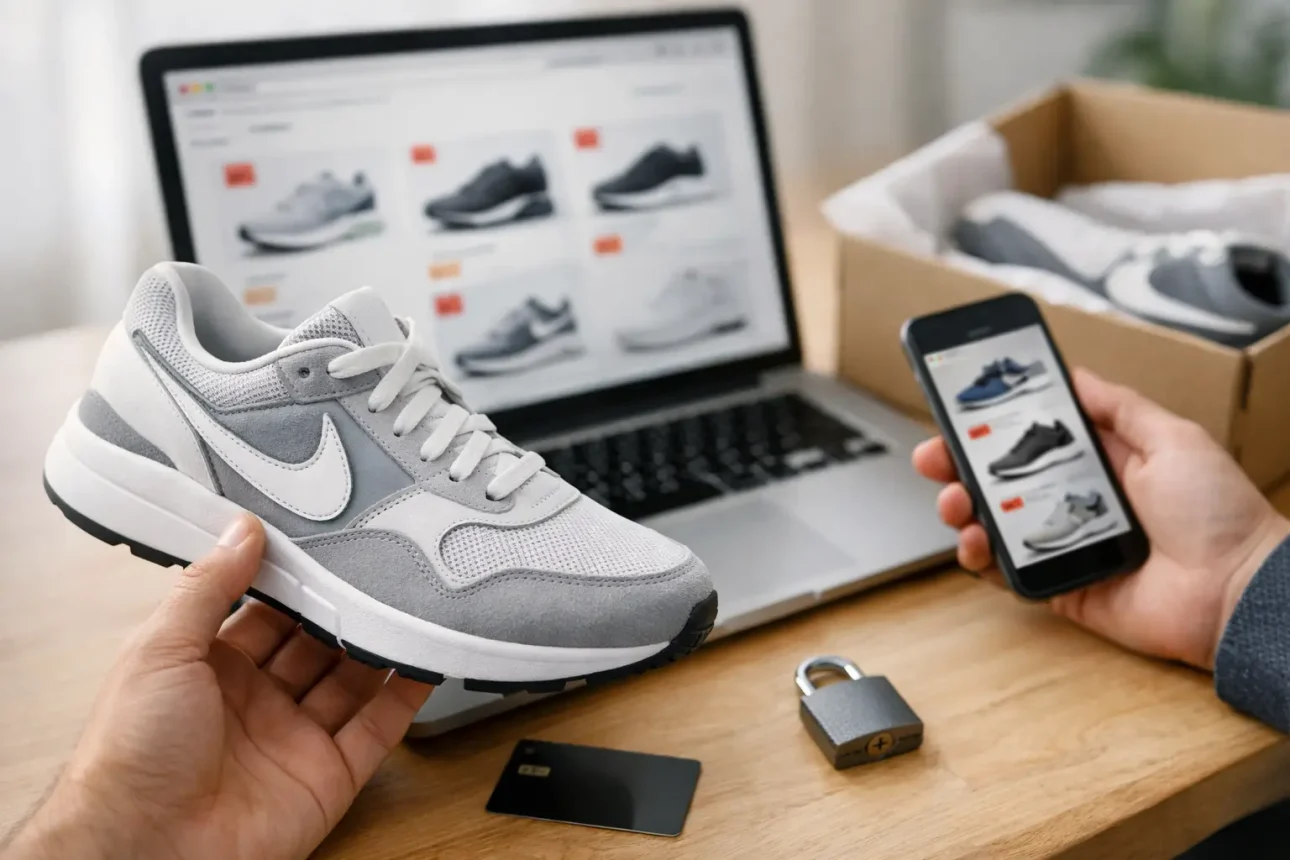
A low price can mean you found a solid deal. It can also mean the seller is clearing an awkward colorway, hiding a bad return policy, or selling shoes that should never have left a warehouse. Buying discount branded sneakers online is easy. Buying the right pair without wasting money takes a little more attention.
We are not here to tell you every sale is a treasure hunt. Most people just want clean sneakers that fit, feel good after a long day, and do not cost more than they should. That is a fair ask.
Not every discounted sneaker is old, fake, or unwanted. Brands refresh colors constantly. Stores make room for new inventory. A running shoe gets replaced by a newer version even when the older one is still perfectly good. That is where some of the best value sits.
The catch is that a discount often comes with a trade-off. You may find fewer sizes, a louder color, or last season’s version of a model. If you care more about how a shoe wears than whether it is the newest release, that is usually fine. A gray pair of New Balance runners from last year still works. Your feet do not know what year the box says.
We would take a well-priced, proven shoe over an overpriced new release almost every time. New does not automatically mean better. Sometimes it just means the brand changed a panel and raised the price.
A famous logo will not save a shoe that is wrong for your day. Before you look at prices, decide where the pair needs to work.
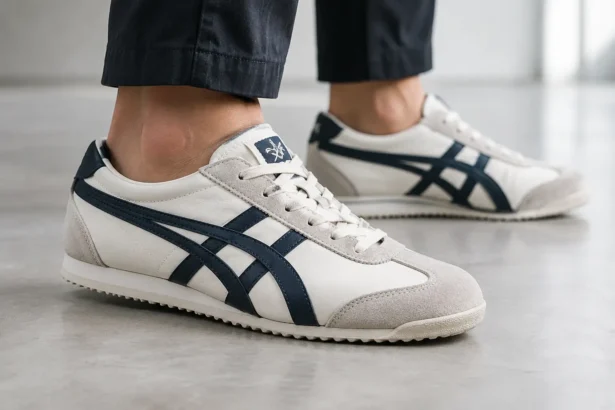
For everyday wear with jeans, joggers, or shorts, lifestyle models and retro runners make sense. Nike, Adidas, Puma, New Balance, and Onitsuka Tiger all have options that look sharp without trying too hard. Just remember that a classic flat sneaker can feel rough after hours on concrete. Clean looks are nice. Sore feet are not.
If you walk a lot or stand through long shifts, look for more underfoot cushioning and a stable base. Hoka, Brooks, Asics, On, and several New Balance running models are often better calls here. They may not all be the sleekest shoes in the room. Some are a little bulky. But at 5 p.m., that extra support matters more than a thin side profile.
For running, buy running shoes. This sounds obvious, yet plenty of people try to turn a retro sneaker into a workout shoe because it looks good. Keep the fashion pair for the street. A proper running model is built for repeated impact and movement, not just photos.
Every major sneaker brand makes winners and misses. Brand loyalty is fine until it makes you ignore a shoe that fits badly.
A model name tells you more than the logo alone. Look at whether the shoe is intended for running, walking, casual wear, or training. Then read the product details for the material, shape, and outsole. A leather upper usually holds its form and wipes clean easily, but it can feel warmer and need some break-in time. Mesh is lighter and more breathable, though it shows dirt faster and can wear through sooner if you are hard on shoes.
Pay attention to the sole, too. A thin, flexible sole can be great for a casual low-profile look. It is not our pick for someone who walks several miles a day. A taller foam sole often softens pavement, but some setups feel unstable if the shoe is too narrow or the foam is overly soft. There is no perfect choice. There is the right choice for what you actually do.
Sizing charts help, but your best reference is a pair you already own and wear comfortably. Check the size printed on its tongue, then compare it with the model you are considering. If you know a certain brand runs narrow on you, do not talk yourself into it because the discount looks good.
Read fit notes carefully. Terms like “true to size” are useful, but they are not a promise. Feet differ. Some people need more room through the toe box. Others have a narrow heel and hate a shoe that slips at the back.
When you are between sizes, the answer depends on the shoe. A snug race-day running shoe may be meant to feel close. An everyday walking shoe needs enough room for your toes when your feet swell later in the day. If you are on your feet a lot, we lean toward giving your toes some space rather than buying a pair that feels perfect for five minutes in your bedroom.
A 20% discount on a shoe you will wear twice a week is better than 60% off a pair that stays in the box. That sounds simple, but sale shopping can make people buy colors and models they did not want in the first place.
The best deals usually fall into a few categories: previous colorways, outgoing versions of running shoes, seasonal colors, and less-hyped models from good brands. None of those is a problem. In fact, less-hyped is often where the smart money goes. You do not need strangers online to approve your footwear.
Be more careful with prices that are wildly lower than everywhere else, especially for popular Nike or Adidas styles. A deal should still make sense. If the price looks like someone forgot a zero, check the seller, product photos, available sizes, return terms, and payment options before you hand over your card details.
A clean website is not proof that a store is solid. Look for the boring stuff because boring stuff protects you: clear contact information, real return instructions, shipping details, accepted payment methods, and product pages that state what you are buying.
Product photos should show the actual model and color from more than one angle. The description should name the shoe properly, not use vague phrases or copy-paste nonsense. If a store has no useful information about returns, sizing, or delivery, we would skip it. Cheap sneakers become expensive when returning them is a mess.
Free shipping is nice, but it should not distract you from the total cost. Check whether taxes, duties, or return shipping may be added later. If you are buying from outside your country, this matters even more. A lower sticker price is not always the lower final price.
Old stock is not automatically bad. A pair stored properly in its box can be fine for years. But very old performance shoes deserve a closer look. Foam and glue can break down over time, even when the shoe has never been worn. That is more of a concern with older running models than with a simple leather casual sneaker.
If you are buying a discounted performance shoe, check whether it is a recent previous version or something that has been sitting around for many years. For walking, gym use, or casual wear, an earlier version can be a smart buy. For serious mileage, we would rather buy a current or recently replaced model from a reliable retailer.
One pair cannot do everything forever. That does not mean you need ten boxes by the door. Two or three pairs with different jobs go a long way: a clean everyday sneaker, a supportive walking or running shoe, and maybe a pair you do not mind getting dirty.
Rotating shoes gives them time to dry out between wears and keeps one pair from getting beaten down too fast. It also makes shopping discounts easier. You can wait for a shoe that fills a real gap instead of panic-buying every price drop.
At SneakerNess, we think the right deal is simple: a real pair from a brand you trust, in a model that suits your day, at a price that leaves room in your budget for the rest of your life. Buy the shoes you will actually wear. That is the part that makes them worth it.