Cart
No products in the cart.
The usual script around exclusive sneaker releases online is pretty tired. Flashy countdowns. Fake panic. A product page acting like your life changes if you miss one pair of shoes. We don’t buy that. Most people just want a clean pair that feels right, looks sharp, and doesn’t come with a side of nonsense.
That’s the real split with exclusive releases. Some are actually worth your attention. Some are just ordinary shoes wrapped in limited language. If you’re shopping online, the hard part isn’t finding something rare. It’s figuring out what deserves your money before the hype machine gets there first.
“Exclusive” can mean a few different things, and not all of them matter. Sometimes it means a retailer has a specific colorway you won’t see everywhere else. Sometimes it means a short production run. Sometimes it just means the shoe is new, the photos are clean, and the marketing team got carried away.
We care less about the label and more about what you’re getting. Is it a strong version of an already solid model? Good. Is it a weak colorway slapped onto an average shoe and pushed like it’s some major event? Easy pass.
The best exclusive releases usually get one thing right. They make an already wearable sneaker more interesting without ruining it. That could mean a better color mix, cleaner materials, or a shape that works in real life instead of only in campaign photos. If a shoe only looks good on a styled set with perfect lighting, that’s not a great sign.
A lot of people think exclusives mean wild design, bright colors, or something impossible to wear unless your whole outfit is built around it. Sometimes that’s true. Most of the time, the better buy is the quieter pair.
A clean New Balance in an exclusive colorway can be a smarter pickup than a louder collab that gets attention for two weeks and then sits in your closet. Same with Adidas terrace styles, retro Nike runners, or a sharp Puma that doesn’t scream for it. If you can wear the shoe three times a week without thinking too hard, it has a much better chance of being worth it.
That’s where people get burned online. They chase the idea of exclusivity instead of the actual shoe. Rare doesn’t automatically mean good. Hard to get doesn’t automatically mean cool. And expensive doesn’t magically make a pair feel better on foot.
Photos matter, but not in the way most stores want you to think. A dramatic top-down shot and a moody close-up don’t tell you much if the side profile is weak. For a lot of sneakers, the shape is the whole point. If the toe looks bulky, the upper looks stiff, or the sole unit throws off the balance, no amount of “exclusive” branding fixes that.
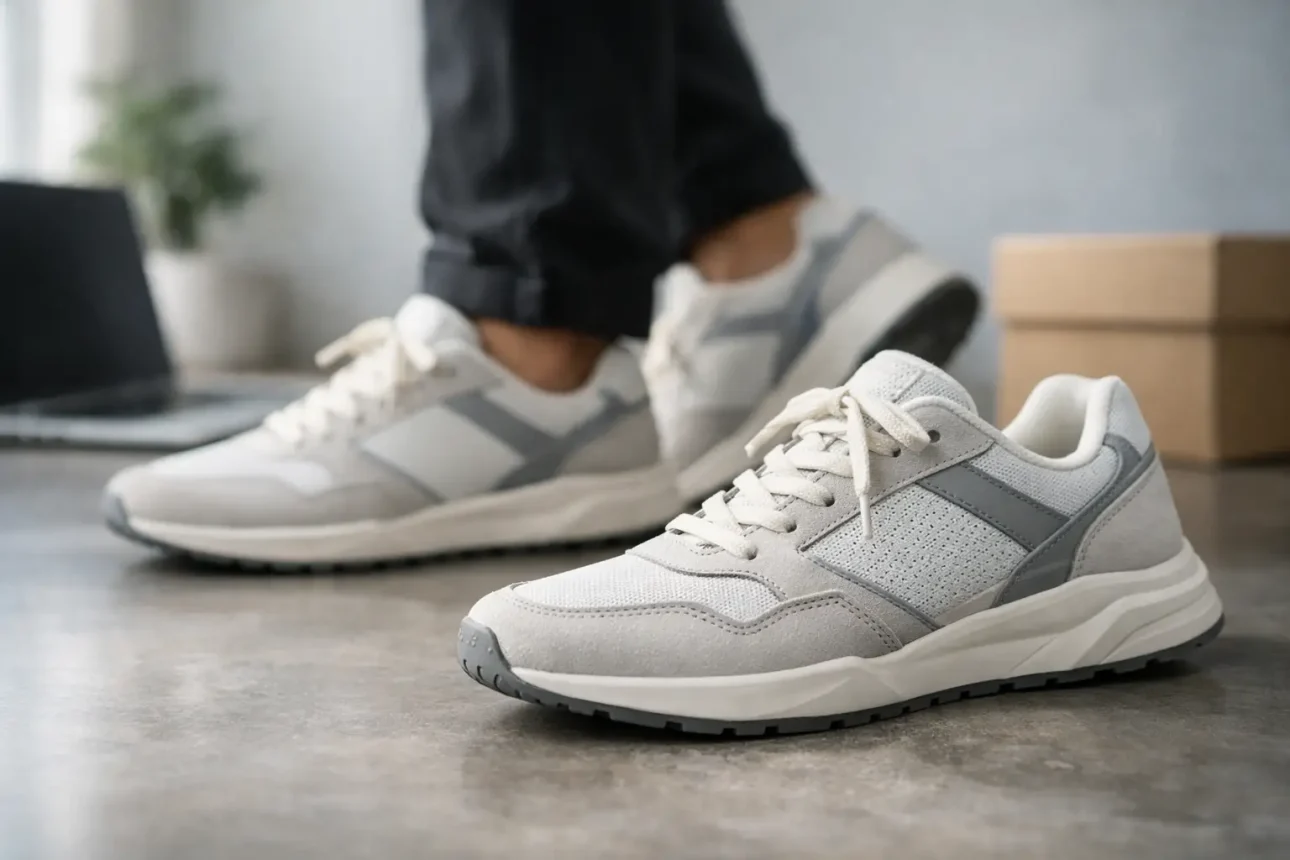
We’d always rather see simple, honest product shots than a bunch of art-school campaign images. You want to know if the suede looks soft or cheap. You want to see whether the mesh has some depth or feels flat. You want to know if the off-white midsole actually works with the upper or just makes the shoe look yellow.
Then there’s the model itself. This part gets skipped way too often. An exclusive colorway on a good base model can be a great buy. An exclusive colorway on a bad or awkward model is still a bad or awkward shoe. If a silhouette already fits weird, runs stiff, or looks clunky on foot, the limited angle won’t save it.
That matters across brands. Nike has pairs that look excellent in photos and feel average by mid-afternoon. New Balance often gets the opposite right – less noise, better all-day wear. Adidas can still nail a slim retro look, but not every release has the same shape quality. Asics, Onitsuka Tiger, and Puma all have sleepers that often wear better than the louder names. It depends on what you need. Standing all day is a different job than putting together a weekend fit.
Scarcity works because people hate missing out. That’s obvious. But online sneaker shopping adds another problem. Speed makes people lazy. Once a pair starts moving, shoppers stop asking basic questions.
Would you still want this shoe in a month?
Does the color actually work with what you wear?
Is this a pair you’ll reach for, or just something you’ll talk yourself into because it feels hard to get?
That last one gets people all the time. We see it with chunky lifestyle pairs, overdesigned collabs, and “special” editions that are really just louder versions of better general releases. They sell because they’re pushed hard. Then they end up discounted later or sitting unworn because they were never that wearable to begin with.
Exclusivity should add something. It shouldn’t be the whole reason the shoe exists.
This is where online retail can actually be better than the old boutique model. You don’t need attitude. You don’t need backstory. You don’t need some gatekeeping nonsense around who deserves access to a pair of sneakers.
You just need a release that’s strong enough to stand on its own. A clean retro runner in a better-than-usual colorway. A lifestyle pair with materials that feel a step up from the regular version. A practical sneaker that still looks good with jeans, cargos, or joggers. That’s the sweet spot.
And price matters. A lot. If an exclusive release pushes a shoe into a range where you’re mostly paying for the story, we’re out. We like shoes that feel worth it when the box shows up and even more worth it after two weeks of actual wear. That’s a better standard than resale chatter or social media approval.
If you’re shopping on a site like Sneakerness, that’s usually the lane that makes sense. You get access to branded pairs people actually want, but without all the boutique posturing. That’s better for most buyers. You want options across Nike, Adidas, New Balance, Asics, Puma, Hoka, On, Brooks, and more, and you want to compare them like a normal person. Not like you’re bidding on a piece of art.
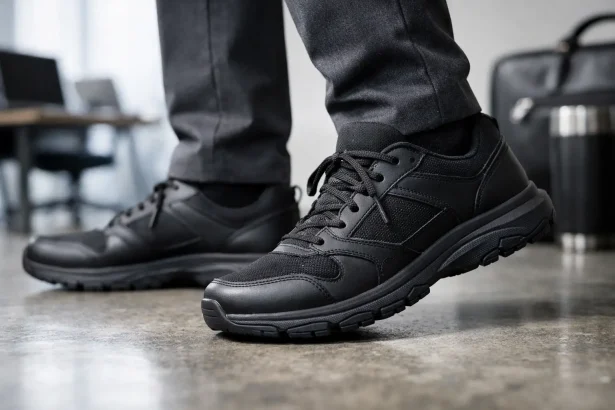
Let’s be honest. Most sneakers don’t live on shelves. They get worn to class, on commutes, into the office, out on weekends, and through long days on your feet. So when we look at exclusive sneaker releases online, we care about how they hold up in normal life.
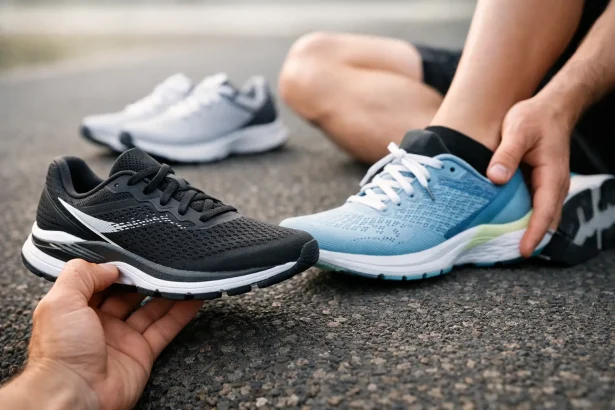
That means comfort matters, but not in a fake, vague way. We mean the kind of comfort where your feet aren’t annoyed by 5 p.m. We mean a shoe that doesn’t feel too flat after a few hours. We mean padding that actually helps without turning the whole sneaker into a giant foam block.
Style matters too, but again, in a normal-life way. Can you wear it with half your closet? Does it still look good without a carefully planned outfit? A really solid exclusive release should feel easy. Not boring. Just easy to wear.
This is why understated pairs often win. A subtle colorway on a proven silhouette usually has more staying power than something loud and “collectible.” The loud pair might get more comments. The clean pair gets more miles.
We’d skip any release that leans too hard on story and not enough on the actual shoe. If the main selling point is that only a few people can get it, that’s weak. If the colorway fights itself, skip it. If the sole is huge, the upper is busy, and the whole thing looks like three ideas jammed together, skip it.
We’d also be careful with exclusives built on comfort claims that don’t match the shape or structure. Some shoes look plush and still wear awkwardly. Some look plain and end up being the pair you keep grabbing because they just work. Trust wearability over launch-day noise.
And if a release makes you feel rushed, slow down. Good sneakers still need to make sense once the adrenaline wears off.
A good exclusive release feels like a better version of a shoe you’d already consider buying. That’s the bar. Not artificial scarcity. Not a dramatic campaign. Not a price jump with no clear reason.
When it works, it’s simple. The silhouette is solid. The colors are right. The materials feel good. The price doesn’t insult you. And when the pair lands at your door, you’re happy you bought shoes you’ll actually wear, not just shoes you managed to catch.
That’s the whole thing. If a pair looks sharp, feels good, and fits your life, that’s enough. The exclusive part is just a bonus.