Cart
No products in the cart.
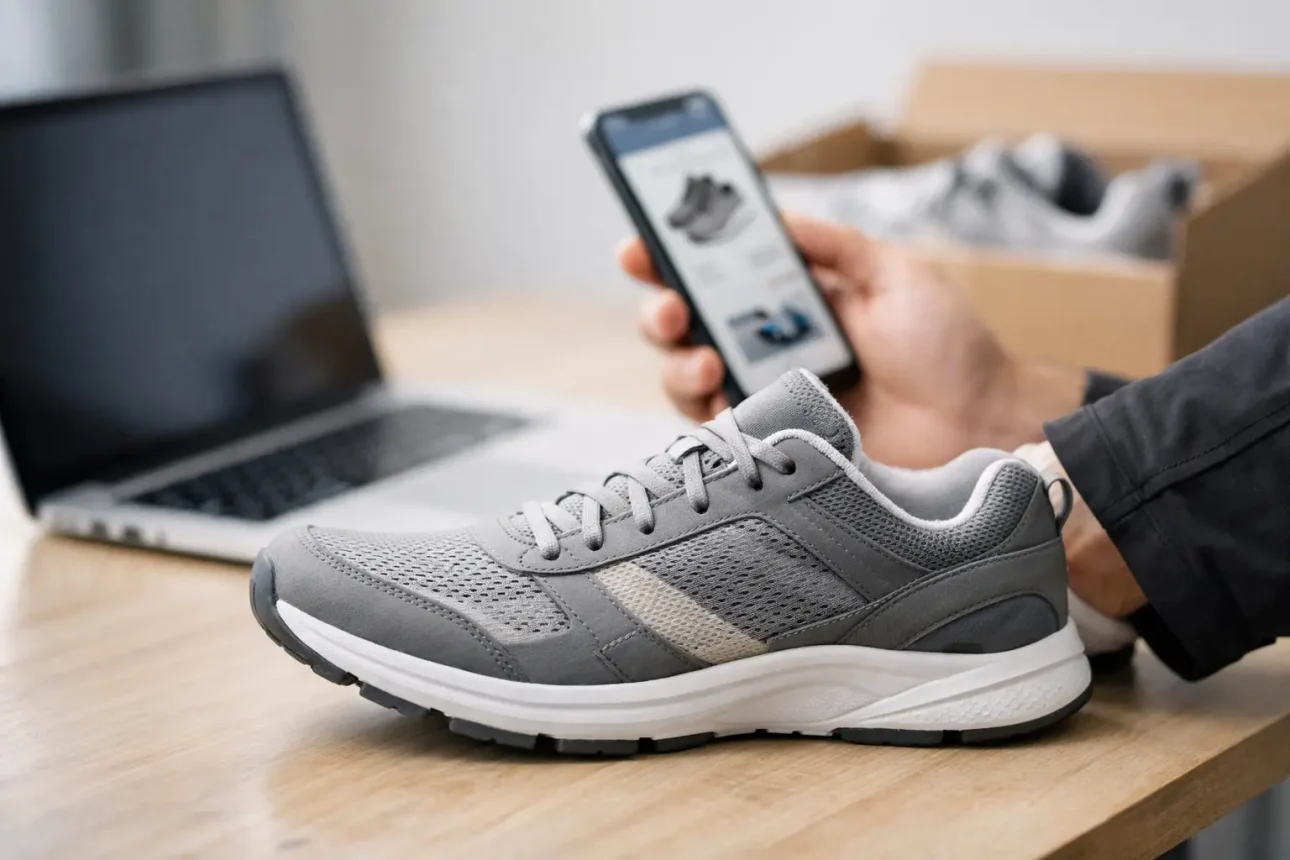
Most people don’t buy branded walking shoes online because they love the process. They do it because they need a pair that feels right, looks clean, and doesn’t waste their money. Fair enough. The problem is that a lot of walking shoes sound good on a product page and feel wrong by day three.
That’s where people get burned. A shoe can look supportive, have a big-name logo, and still be stiff, flat, or weirdly narrow. So if you’re shopping online, what matters isn’t the brand story. It’s how the shoe fits your day. Long walks, commuting, standing around, travel, errands, work – different use, different shoe.
Start with the shape of the shoe, not the logo. We like branded pairs because the good ones usually have more consistent sizing, better materials, and fewer random surprises. But not every big brand gets walking shoes right. Some are great at running and still make walking pairs that feel too aggressive or too soft.
For walking, you want a shoe that rolls through your step naturally. That means the sole shouldn’t fight your foot. If it feels clunky in photos, it might feel clunky in real life too. A decent walking shoe should look balanced. Not paper-thin. Not like a moon boot.
The upper matters more than people think. If the material is too rigid, your foot spends all day working around the shoe instead of with it. Mesh or knit uppers usually feel easier right away, especially if you walk a lot in warm weather. Structured uppers can still work, but only if the shape is forgiving enough around the forefoot.
Then there’s cushioning. A lot of people assume more foam means better walking. Not always. Super-soft midsoles can feel nice for ten minutes and sloppy after three hours. Walking usually feels better in cushioning that’s stable, not squishy. You want some give, but also a base that keeps you from wobbling.
If you’re browsing branded walking shoes online, a few names usually make more sense than the rest.
These are the pairs we’d point practical buyers toward first. Not because they’re flashy. Usually they’re not. But they tend to get the basics right. Roomier fit options, steady cushioning, and a shape that works for long days. Some models look a little plain, sure. But plain is fine if your feet still feel decent at 5 p.m.
Brooks is especially solid if you want a smooth, no-drama ride. New Balance gives you more range. Some pairs lean sporty, some more casual, and some are just straight-up workhorses.
These are the brands people usually check when they want that soft, rolling feel underfoot. Sometimes that works great. Sometimes it’s too much. Hoka can be excellent if you spend a lot of time walking on hard pavement, but some models are bulky and not exactly subtle.
On has a cleaner look, and that matters if you want something that works beyond walks. Some people love the firmer feel. Others find it a little stiff. That’s the trade-off. Better style for everyday wear, but not every pair feels relaxed right away.
Asics often gets overlooked by people chasing trendier shoes, which is fine by us. A lot of Asics models are just solid. Supportive without feeling overbuilt, comfortable without turning mushy. That’s a good place to be for walking.
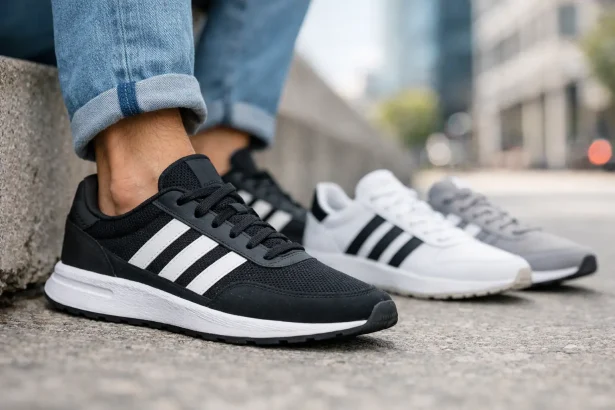
Adidas can go either way. Some of their lifestyle models look sharp but aren’t great for long hours on foot. Some of their sport-inspired pairs do much better. With Adidas, we’d be more selective. Don’t assume a clean silhouette equals walking comfort.
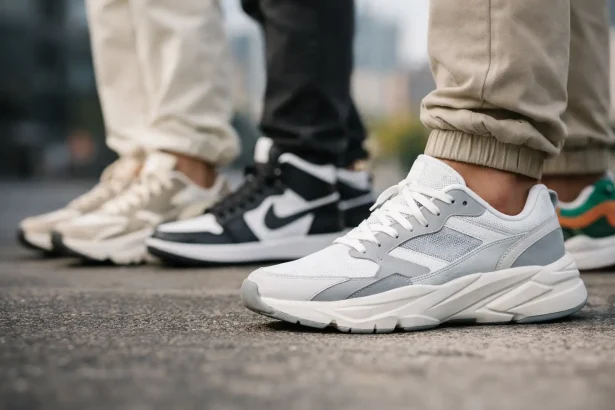
Let’s be honest. A lot of people want a walking shoe that doesn’t look like a walking shoe. That’s where Nike and Puma come in. They’ve got pairs that work for casual wear and lighter daily walking without screaming performance footwear.
But this is where people mess up. Not every lifestyle sneaker from a big brand is built for actual walking. Some are fine for coffee runs and commuting. Some are not the pair you want for eight miles in a city. If style is your top priority, that’s fine. Just know what you’re trading.
Photos help with shape, materials, and overall vibe. They do not tell you how a heel collar feels after an hour or whether the toe box pinches on your left foot. Online shopping always has some guesswork in it. The goal isn’t to remove that completely. It’s to make fewer bad bets.
One trick that helps is looking at the outsole and midsole shape. If the sole flares out a bit at the base, that usually means better stability. If the shoe curves slightly at the front, it may feel smoother through each step. If it’s extremely narrow through the middle and chunky at the heel, it might feel unstable unless the design is dialed in.
Another thing – watch out for shoes that are all style, no structure. They photograph well. They show up in clean colorways. Then they feel dead underfoot after an afternoon out. That’s not a walking shoe. That’s a sneaker you happen to walk in.
Brand sizing is more consistent than random no-name stuff, but it’s still not perfect. One Nike model can fit tighter than another. One New Balance pair can feel roomy while another runs shorter than expected. That’s normal.
We’d rather be honest about it than pretend every shoe fits true to size. If you know you’ve got wide feet, don’t talk yourself into a narrow silhouette just because it looks better. That ends badly. If you wear thicker socks for work or colder weather, account for that too.
Walking shoes should have enough room up front that your toes aren’t jammed when your foot shifts forward. Not sloppy. Not cramped. Just enough space to move naturally. Heel slip can happen in some models, but don’t confuse a little initial movement with a bad fit if the rest of the shoe feels secure. Sometimes lace adjustment fixes more than people expect.
Cheap walking shoes can be fine for light use. For daily wear, they often break down fast or feel tired early. On the flip side, expensive doesn’t always mean worth it. Some pairs charge extra for trend value, not better comfort.
That’s why branded walking shoes online make sense when you shop with some discipline. You’re not just paying for a logo if the shoe gives you better consistency, better materials, and a shape that actually holds up. But we’d still skip the overpriced pair if a less flashy model does the job better.
This is also where cross-brand shopping helps. Sticking to one brand out of habit can cost you. A New Balance pair might fit your walking needs better than the Nike you were about to buy. A Brooks model might outwork a trendier option by a mile. We’d rather you get the right shoe than the obvious one.
A shoe can be comfortable and still look rough. We’re not pretending that doesn’t matter. If you’re going to wear a pair every day, you should like how it looks with your clothes. That’s part of whether it’s worth buying.
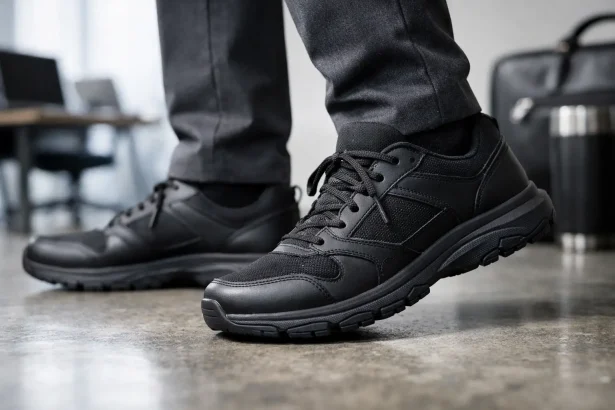
The sweet spot is a pair that works on a long walk and doesn’t look out of place with jeans, cargos, or simple joggers. Usually that means cleaner panels, decent shape, and colors that don’t try too hard. Black, gray, white, navy – hard to mess that up. Loud color pops can be fun, but they date faster.
If you want one pair to cover a lot of ground, go cleaner. You’ll wear it more. That makes the price easier to justify.
We’d skip ultra-flat lifestyle sneakers for serious walking. They can look great. They can also feel harsh after a couple hours. We’d skip anything with a super narrow toe shape if comfort is the goal. And we’d be careful with heavily hyped models that get talked about more than they get worn.
We’d also skip buying based on a single buzzword. Responsive. Plush. Supportive. Those words don’t mean much on their own. What matters is how the whole shoe feels under real use. Stable enough for long days. Comfortable enough that you stop thinking about your feet. Clean enough that you actually want to wear them.
That’s the bar.
If you’re shopping branded walking shoes online, keep it simple. Buy for your actual day, not for the fantasy version of your life where you suddenly become a marathon walker in neon shoes. The right pair should feel solid, look good, and make getting through the day easier. If it does that, it’s worth it.