Cart
No products in the cart.
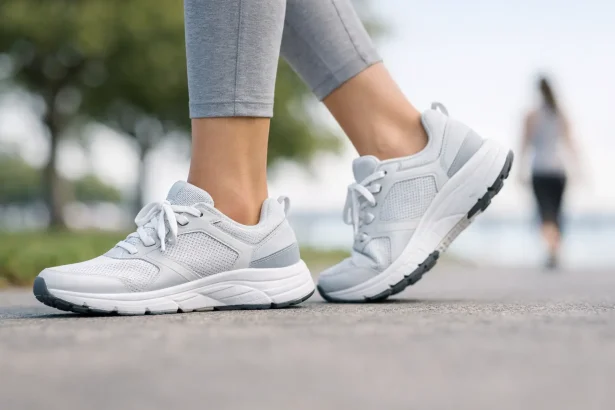
A lot of walking shoes look like they gave up on style somewhere around mile two. That’s why people keep coming back to new balance shoes for walking. Some pairs actually feel good underfoot and still look clean with jeans, shorts, or joggers. Not all of them are worth your money, though.
New Balance is one of the few brands that really gets this category. They make shoes for people who walk the dog, commute, travel, stand all day, or just want a pair that doesn’t beat up their feet by dinner. The tricky part is that the lineup is wide, and some models are better for all-day wear than others.
We like New Balance for walking because the brand usually gets the basics right. The fit is more forgiving than a lot of narrow, trendy sneakers. The midsoles tend to feel stable instead of overly soft and weirdly bouncy. And a lot of pairs come in widths, which matters more than most people realize.
That last part is big. A shoe can have all the foam in the world, but if the shape is wrong for your foot, it’s a bad shoe for you. New Balance has built a loyal following by making pairs that work for more than one foot type. That sounds obvious. It isn’t. Plenty of brands still act like everyone has the same narrow foot.
There’s also the look. Some New Balance walking pairs lean sporty. Some lean dad shoe. Some sit right in the middle and work with pretty much anything casual. If you want one shoe that can handle long days and still not look awkward with normal clothes, New Balance has options.
If you want the short version, we’d start with the 990 series, the 880, the Fresh Foam X 1080, and the 574 for lighter casual use. They don’t all do the same job, and that’s the point.
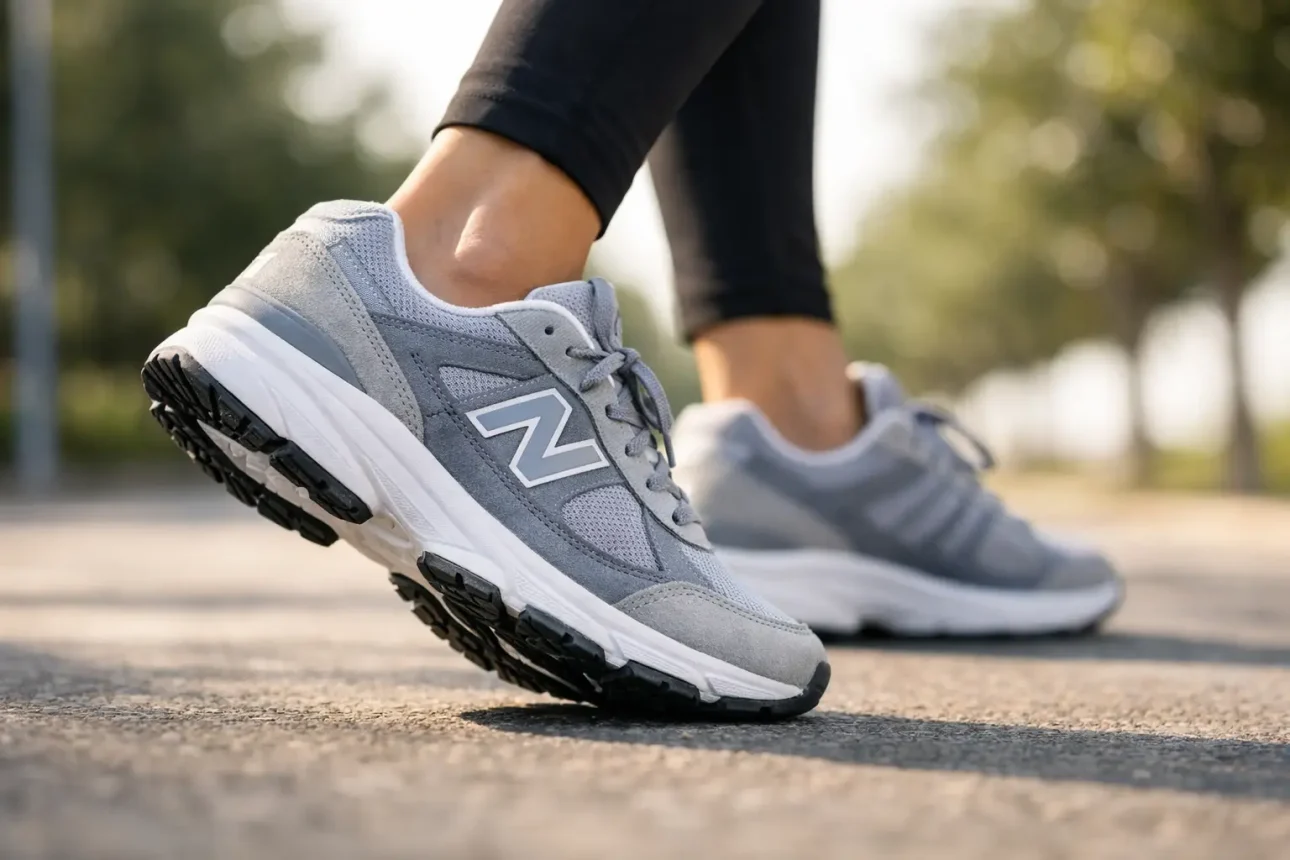
The 990 is the safe bet if you want a premium everyday walking shoe. It’s stable, supportive, and built in a way that feels tough without feeling stiff. We like it for city walking, long days on your feet, and people who want that solid planted feel instead of a marshmallow ride.
It’s also one of those rare shoes that works because it doesn’t try too hard. The upper holds your foot well. The midsole gives you enough cushion without turning sloppy. The outsole usually wears well too, which matters if you’re walking daily.
The downside is price. The 990 line isn’t cheap. If you just want something casual for weekend errands, it can be more shoe than you need. But if you’re going to wear it hard, it earns its keep.
The 880 sits in a sweet spot. It’s usually sold as a running shoe, but for walking, it makes a lot of sense. It’s cushioned without feeling unstable, flexible enough for a natural stride, and easier on the wallet than some of the top-end pairs.
This is one we’d point to if you want one shoe for walking, travel, and general daily wear. It doesn’t have the same lifestyle appeal as the 990, and it’s not the pair people wear for the look alone. But for comfort and value, it’s strong.
If you like a softer ride, the 1080 is worth a look. This one leans plush. It’s good for people who want more underfoot cushion during long walks or long standing shifts. The upper is usually soft and easy to wear right away, which helps if you hate break-in time.
Still, soft isn’t always better. That’s where people get it wrong. Some walkers love that cloud-like feel. Others feel less stable in it, especially if they’re on uneven sidewalks or want more structure. We’d choose the 1080 for comfort-first walking, not for someone who wants a firmer, more controlled ride.
The 574 is not the most technical walking shoe here, and we’re not going to pretend it is. But it deserves a spot because a lot of people aren’t looking for max cushion or a performance fit. They want a clean everyday sneaker that can handle a decent amount of walking without feeling flat and cheap.
That’s the 574. It looks sharp. It’s easy to wear. It works for casual days, travel, and everyday use if you’re not pounding pavement for hours. If you are on your feet all day, we’d skip it and go for something with more support and cushioning.
These are the more supportive picks. They’re less about looks and more about function. If your priority is stability, structure, and that secure feeling through the arch and heel, these models make sense.
We’ll be honest. They’re not the coolest pairs in the lineup. Some of them look a little too practical. But if your feet are picky and you care more about how you feel at 5 p.m. than how the shoe looks in a mirror, that trade-off can be worth it.
The biggest mistake people make with new balance shoes for walking is buying based on hype or looks alone. Start with how you actually use the shoe.
If you walk a lot on concrete, cushioning matters. If you stand more than you walk, stability matters just as much. If you travel and want one pair for airports, long days, and casual outfits, versatility matters. Different shoe, different job.
Foot shape matters too. New Balance does better than most brands here because width options are often available, but you still need to be honest about your fit. If you usually feel squeezed in the toe box, don’t talk yourself into a narrower style because it looks cleaner. That’s how you end up with a nice-looking pair you never want to wear.
Then there’s ride feel. Some people want soft. Some want firm. We usually tell people not to chase the softest shoe on the shelf. Super soft can feel great for ten minutes and annoying three hours later. A balanced ride tends to work better for daily walking.
Skip flat lifestyle pairs if you’re doing serious walking. That includes shoes that look good on Instagram and feel dead by lunchtime. New Balance makes plenty of strong casual sneakers, but not every casual sneaker is built for miles.
Skip sizing guesses too. If you know one foot runs wider, if you wear orthotics, or if your current shoes rub in the same spot every time, pay attention. Walking is repetitive. A small fit issue becomes a big one fast.
We’d also skip buying based only on what’s most expensive. Price can mean better materials, better build, or made-in-USA appeal. It doesn’t automatically mean a better shoe for your routine. A lot of people will do just fine in an 880 and don’t need to spend 990 money.
Let’s be real. If a shoe feels great but you hate how it looks, you’ll wear it less. That matters. One reason New Balance does well here is that the brand has finally stopped making comfort-only shoes that feel like a compromise.
The 990 is the standout if you want a pair that can do both. It has that easy worn-in look that works with relaxed fits, straight jeans, and simple basics. The 574 is more casual and a bit more old-school. The 1080 looks more athletic. None of that is wrong. It just depends on whether you want your walking shoe to blend in or look more sporty.
If you only want one pair, we’d lean toward the pair you’ll actually wear most. The best walking shoe in theory is useless if it sits in the closet because it doesn’t fit your style.
New Balance gets a lot right, but the brand isn’t magic. Some models are excellent. Some are just fine. Some are better for standing, some for actual walking mileage, and some mostly win on looks.
If we had to narrow it down, the 990 is the best all-around choice if your budget allows it and you want that mix of support, durability, and everyday style. The 880 is the value pick. The 1080 is for people who want more softness. The 574 is the casual option, not the workhorse.
That’s really what this comes down to. Don’t buy the shoe with the loudest reputation. Buy the one that fits your foot, your day, and the way you actually dress. When a walking shoe gets those three things right, you stop thinking about your feet, and that’s usually the clearest sign you picked well.