Cart
No products in the cart.
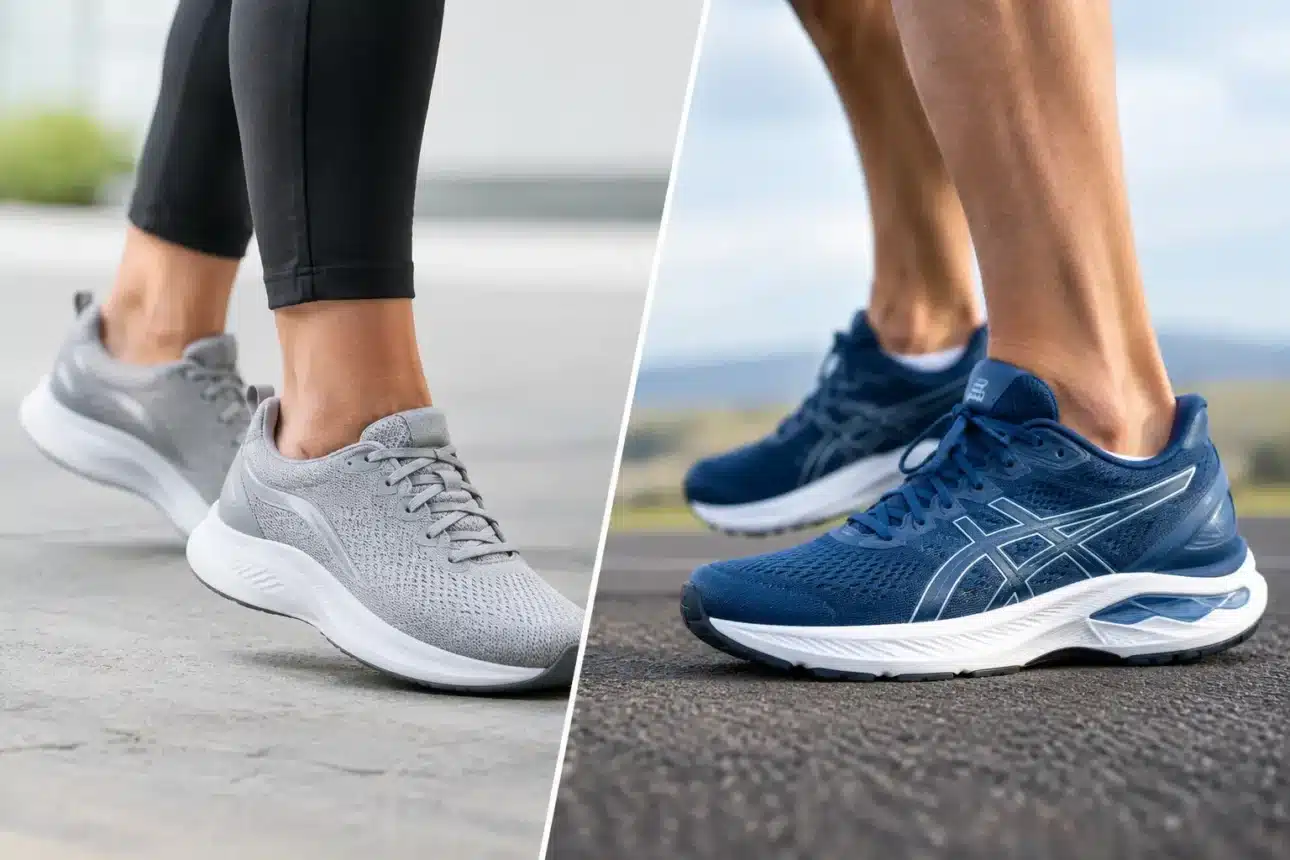
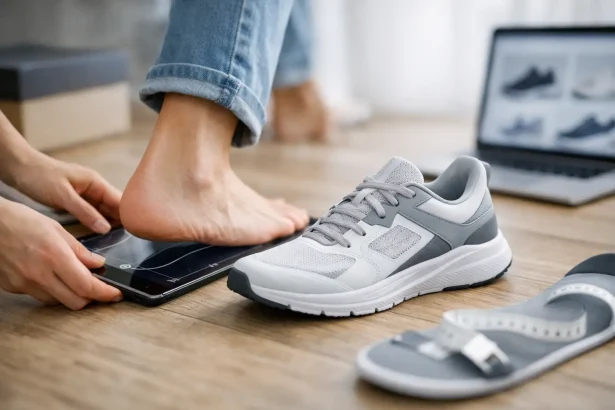
Your feet do not care what the box says. They care about what happens after three miles, six hours on concrete, or a quick run that turns into a sore heel the next morning. That is why the walking shoes or runners question is less about rules and more about how you actually move.
A running shoe can be excellent for walking. A walking shoe can be the better call for work, errands, travel, and daily steps. The wrong move is buying either one because it looks sporty, then wondering why your feet are cooked by 5 p.m.
Running creates more impact. Every stride includes a brief landing force that is much higher than walking, so runners are usually built with more cushion, a quicker-feeling midsole, and a shape that encourages you to roll forward. Many also use lighter uppers because nobody wants a heavy shoe halfway through a run.
Walking is lower impact, but it is not easy on shoes when you do it all day. Your foot stays on the ground longer, your heel often lands more deliberately, and your needs lean toward steady support, a stable base, and comfort that does not disappear after an hour. A good walking shoe should feel planted. It should not feel like you are balancing on a soft mattress.
That said, the label is not the whole story. Plenty of modern running shoes make solid walking shoes. Some dedicated walking shoes are stiff, bulky, and frankly not much fun to wear. We would take a clean, stable runner over an ugly brick with a walking label most days.
Choose runners if you run at all, even once or twice a week. Switching between a basic walking shoe and a proper running shoe just to save a few dollars rarely makes sense if your training is part of your routine. Your running pair can handle neighborhood walks, treadmill warmups, dog walks, and travel days too.
Runners also work well for people who walk fast or cover a lot of distance. If your daily walk is four or five miles and you like a lively feel underfoot, a cushioned running shoe is usually more enjoyable than a firm walking model. Brands such as Brooks, Hoka, ASICS, New Balance, On, Nike, and Adidas all make runners that cross over well.
The trade-off is stability. Some max-cushion runners sit high off the ground and use very soft foam. They can feel amazing for a short walk, then feel a little wobbly while standing in line, carrying groceries, or moving around a busy work floor. Soft is not automatically better.
We would also skip aggressive trail runners for normal pavement unless you genuinely need grip on dirt, rocks, or wet paths. The chunky lugs wear down faster on sidewalks and can feel awkward on smooth floors. They look tough. They are not always practical.
A running shoe is usually the safer bet when you are training, walking quickly for fitness, traveling with one pair, or spending time on treadmills and paved paths. Look for a secure heel, enough room at the toes, and cushioning that feels controlled rather than squishy.
If you stand for long shifts, a runner may still work well, but try to avoid the tallest, softest options. A broad platform and a midsole that does not sink too much will feel better when you are stationary.
Walking shoes earn their place when running is not on the menu. Think hospital shifts, retail floors, city sightseeing, school runs, commuting, or jobs where you cover ground slowly but constantly. Here, stability matters more than speed.
A good walking-focused shoe often has a firmer heel, a flatter and broader base, and a sole that bends where your foot naturally bends. That setup is less flashy than a bouncy running shoe, but it can feel calmer over a long day. If you have ever felt your ankles working overtime in a tall foam runner, you know the difference.
Walking shoes are also a strong choice if you wear through the outside edge of your everyday sneakers or tend to feel unstable in soft footwear. We are not diagnosing your gait from a paragraph. But a lower, wider shoe is a sensible starting point when balance and steadiness matter more than a springy ride.
There is one catch: many traditional walking shoes look like they came from a medical supply catalog. We are not saying style should beat comfort, but you should not have to accept a dull shoe if a clean lifestyle sneaker or stable runner fits your day better.
This is where people waste money. A retro sneaker can look perfect with jeans and still be a rough choice for eight miles around a city. Flat soles, heavy leather, narrow toe boxes, and thin insoles are common in classic court and casual styles. They are great for coffee, errands, and looking sharp. They are not built for a full day on your feet.
That does not mean every casual sneaker is bad for walking. Some have decent foam and enough room to be comfortable for regular use. Just be honest about the job. If your plan is lunch, shopping, and a train ride, your favorite retro pair is probably fine. If you are heading to an airport, a festival, or a 20,000-step vacation day, take the comfortable pair instead.
Style and comfort can meet in the middle. A streamlined runner in a neutral color works with joggers, shorts, and plenty of relaxed outfits. A lower-profile walking shoe can look clean with jeans. You do not need neon foam towers unless you like that look.
Forget the pile of technical terms for a minute. Put your attention on four things that affect every step:
Try shoes later in the day when your feet are closer to their usual walking size. Wear the socks you normally use. And do not buy a pair that feels tight because you expect it to stretch. Mesh uppers may relax a little. Structured overlays, stiff heel counters, and the shoe’s basic shape will not suddenly change.
Sizing also varies more than people think. Your size in a retro Adidas sneaker may not be your size in a Hoka running shoe, and your fit in Nike can feel different from New Balance. The number is a starting point, not a fact.
If you need one shoe for walks, errands, travel, light gym work, and occasional runs, buy a stable daily running shoe. It is the most useful middle ground. Avoid the extreme racing-inspired models and avoid the super-soft, sky-high options if you spend more time standing than moving.
If you never run and your day means long hours on hard floors, choose a walking-focused shoe or a lower, stable runner. Your feet will probably prefer that over a fashion sneaker or a plush shoe that feels shaky by lunchtime.
And if you mainly want a sneaker that looks good for regular life, buy the pair you actually want to wear. Just keep a more supportive option around for the days when your plans involve serious mileage. At Sneakerness, we think the best shoe is the one that fits your real day, not the one with the loudest marketing.