Cart
No products in the cart.
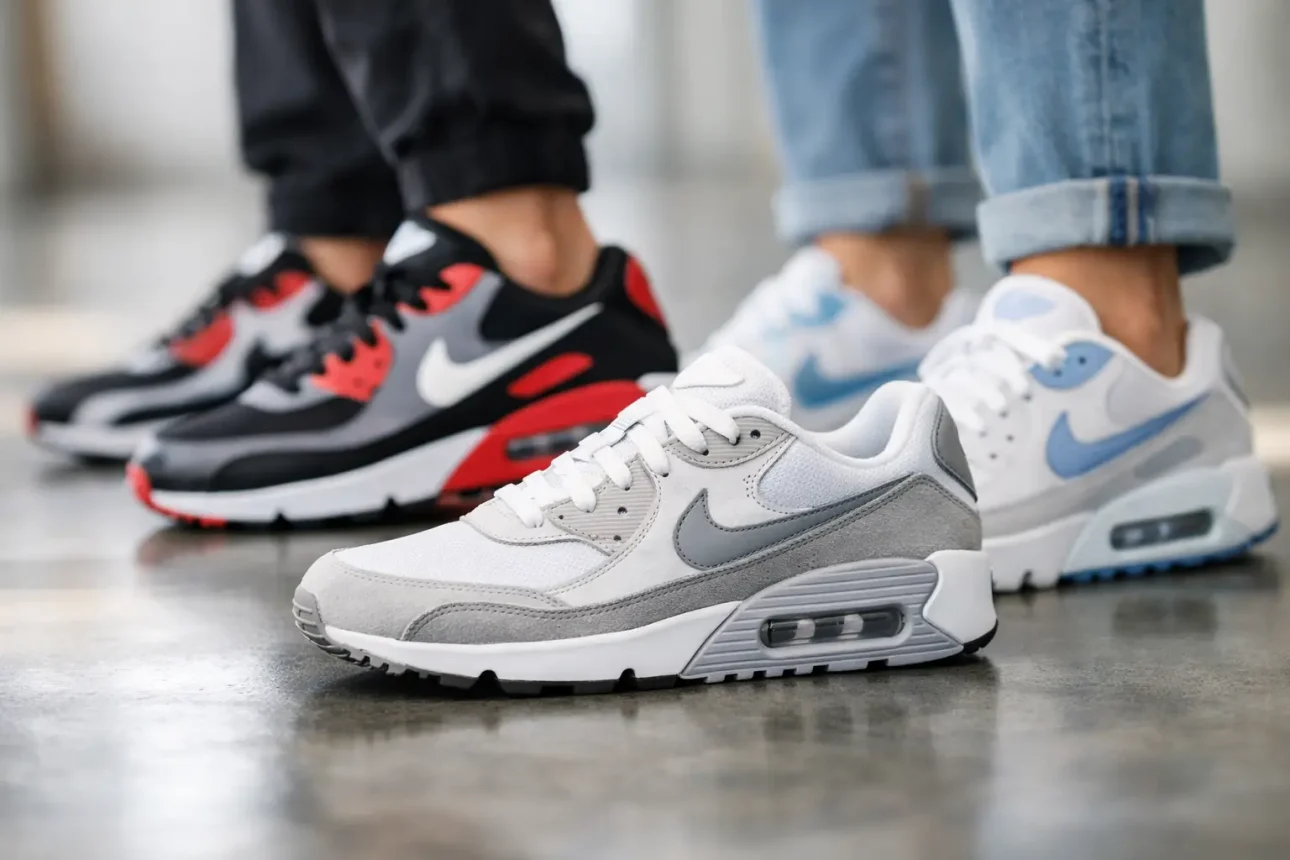
A Nike Air Max review gets messy fast because Air Max is not one shoe. It is a whole family. Some pairs are clean daily beaters. Some are heavy, stiff, and mostly about the look. A visible air unit does not automatically mean a soft ride either.
That is the honest version. Nike Air Max shoes can be worth the money, especially if you want a sneaker with real personality that works with jeans, cargos, shorts, or joggers. But picking the wrong model for your feet can leave you with a shoe that looks great in the mirror and feels rough by mid-afternoon.
Most Air Max models are lifestyle sneakers first. They are built for walking around, commuting, casual days, travel, and standing for a reasonable amount of time. They can handle a long day better than flat old-school shoes, but we would not buy them as serious running shoes just because the word “Air” is on the box.
That difference matters. A retro Air Max gives you a firmer, more structured feel than a modern foam runner. The cushioning is there, but it is usually paired with a heavier upper, a thicker rubber outsole, and an older shape. You get stability, durability, and style. You do not always get the light, bouncy feel people expect.
If your priority is a sharp everyday sneaker, Air Max is a strong lane. If your priority is clocking miles, look at Nike’s actual running lineup instead.
The fit depends heavily on the model, but there is a pattern. Most Air Max pairs feel secure through the midfoot and a little more structured than a lightweight knit sneaker. That is good if you hate a sloppy, loose fit. It is less good if your feet run wide or you like lots of toe room.
For average-width feet, start with your usual size. For wider feet, we would be cautious with models that use layered synthetic panels, especially the Air Max 95 and Air Max 97. Going up half a size can help, though it may leave extra length at the toe. If you are between sizes, try to prioritize toe space over a super-snug fit. Crushed toes are not a break-in story. They are just annoying.
Comfort is solid, but it is not identical across the range. The air unit mainly softens impact at the heel and gives the shoe its recognizable look. It does not turn every model into an all-day cloud. The uppers and midsoles can feel firm at first, particularly on the more retro designs. Give them a few wears before making the call.
What actually matters is how your feet feel at 5 p.m. For casual walking and normal city days, most Air Max pairs hold up well. For warehouse shifts, hospitality work, or long days on hard concrete, some newer foam-heavy options from other brands may feel easier. Air Max can work, but it would not be our first pick if standing comfort is the only thing you care about.
The Air Max 1 is the pair we would point most people toward first. It has enough cushioning for everyday wear, a shape that has aged well, and a lower-profile build than the chunkier options. It looks good without trying too hard.
It is not the softest Air Max. The ride is fairly firm and the forefoot is not especially roomy. Still, the balance is right. It works with straight-leg denim, loose pants, shorts, and even cleaner casual outfits where a bulky sneaker would look out of place. If you want one Air Max that will not feel dated next season, this is a safe bet.
The Air Max 90 has more presence. The sole is thicker, the paneling is louder, and it feels built for everyday abuse. We like it for people who want a sneaker with a bit more shape under baggier pants or joggers.
It is supportive and generally durable, but it can feel stiff right out of the box. The padded collar helps, and the heel cushioning does its job, yet this is not a featherweight shoe. Think of it as a solid walking sneaker with a classic look, not a comfort-first work shoe.
The Air Max 95 is one of the best-looking Air Max designs, full stop. Those layered side panels give it a distinct shape that still feels tough decades later. In darker colors, it can hide daily wear better than cleaner mesh-heavy sneakers too.
Here is the trade-off: it can be narrow, warm, and a little heavy. People with slim or average feet often love the locked-in feel. Wider feet may feel squeezed through the midfoot. If you are buying mainly for the look and you do not need a wide toe box, it is worth considering. If comfort is non-negotiable, try before you commit or choose a roomier model.
The Air Max 97 is all about its wavy upper and sleek profile. It looks sharp with track pants, techier outfits, and loose denim. It also has a full-length visible air unit, which sounds like it should make it the plushest choice. In practice, it often feels firmer than people expect.
The shape is narrow and the upper wraps close to the foot. That creates a secure fit, but it can get uncomfortable if you have wide feet or a high instep. We would buy the 97 for its style, not because it is the most forgiving Air Max. There is nothing wrong with that. Just buy it for the right reason.
The Air Max DN has a more modern, sculpted look and a softer feel underfoot than the classic retro pairs. It is for someone who wants visible cushioning but does not want to wear a shoe that looks pulled from the late 1990s.
The downside is simple: the design is louder. It will not blend into every outfit like an Air Max 1 or 90. We like it with casual sportswear and wider pants. With slim jeans, it can look a little forced. Style is personal, but the shoe needs space around it.
Air Max shoes are generally tough when you use them as intended. The rubber outsoles on classics like the 90 and 95 usually handle regular pavement well. Leather and synthetic overlays also take scuffs better than delicate knit uppers. They are practical sneakers, not display pieces.
Mesh sections need more care. Light-colored mesh gets dirty fast, and aggressive scrubbing can rough up the material. A soft brush, mild cleaner, and patience will do more than soaking the whole shoe. Let them air dry indoors. Direct heat can warp glued areas and make the upper feel brittle.
The air unit is durable for normal wear, but it is not indestructible. Avoid leaving pairs in a hot car for days, and do not expect an older unworn pair to stay perfect forever. Materials age, even when a sneaker has been sitting in a box.
Yes, when you buy the model that matches your use. The best Air Max pairs earn their price through recognizable design, durable everyday materials, and cushioning that is better than a basic flat sneaker. They are not automatically better than every similarly priced shoe, though. Sometimes you are paying for a classic silhouette, and that is fine as long as you know it.
We would skip an Air Max if you need a dedicated running shoe, need a very wide fit, or want the lightest possible sneaker for long shifts. We would choose one if you want a reliable lifestyle pair with more cushion and character than a simple court shoe.
At Sneakerness, we would keep it simple: pick the Air Max 1 for versatility, the 90 for a tougher casual look, the 95 for attitude, and the 97 only if you know you like a close fit. The right pair is the one you will still reach for after the first week, not the one that looked best in a product photo.