Cart
No products in the cart.
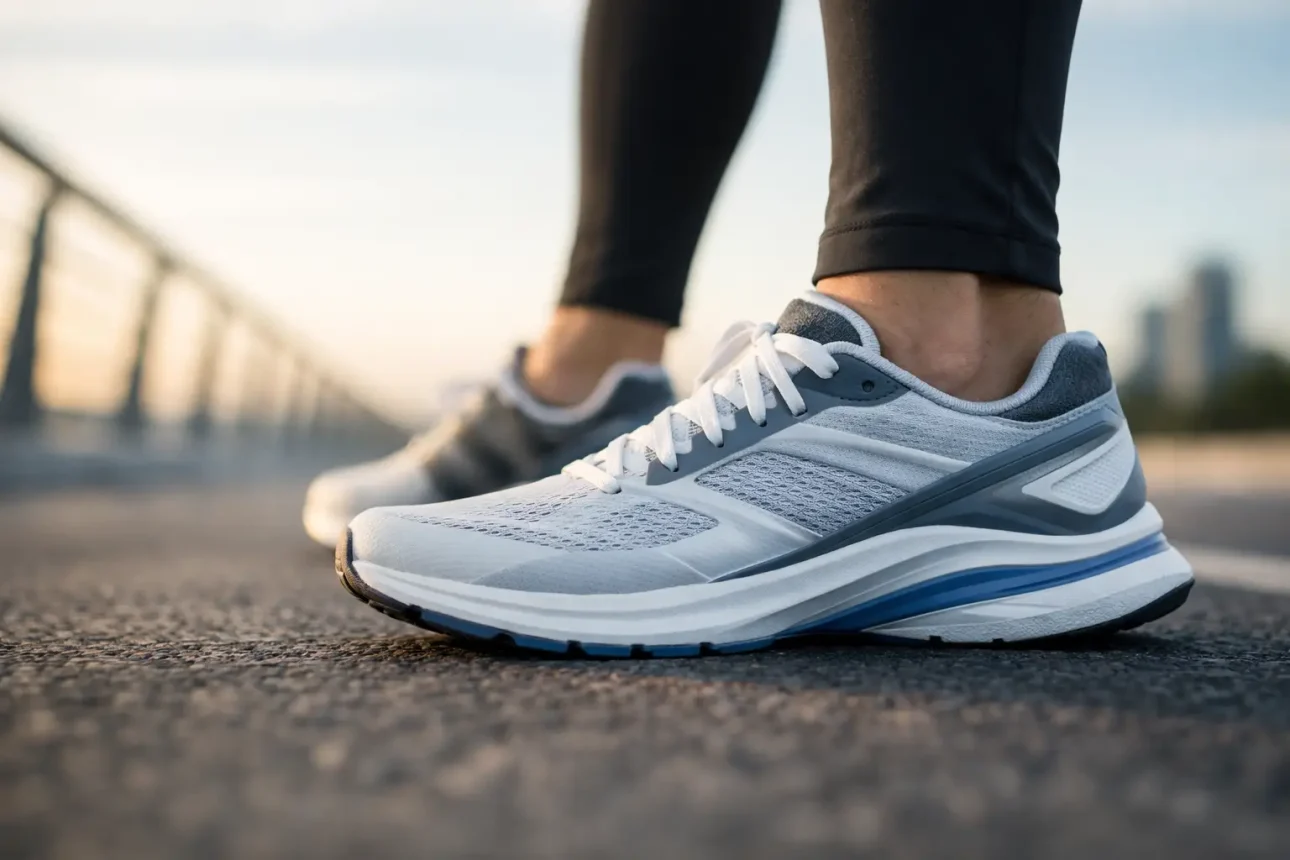
Starting to run is usually the easy part. Picking shoes is where people get stuck. If you’re looking for the best running shoes for beginners, skip the flashy stuff. What matters is simple – comfort, fit, and enough cushioning to keep your legs from feeling wrecked after a short run.
A lot of first-time runners buy the wrong shoe for one reason: they shop with their eyes. We get it. Some pairs look sharp on a product page and feel awful by mile two. Others look a little boring and end up being the pair you actually want to wear three times a week. For beginners, function wins.
You do not need a super aggressive race shoe. You do not need the lightest model on the wall. And you definitely do not need carbon plates for your first jog around the block.
Most beginners do best in a daily trainer. That’s the category worth your money. A solid daily trainer gives you enough cushioning for short runs, enough stability for tired legs, and enough durability so you aren’t shopping again in a month. It should feel good at an easy pace, not just when you’re standing still in your room.
The sweet spot is moderate cushioning, a smooth ride, and a fit that doesn’t squeeze your toes. Too soft can feel unstable. Too firm can feel harsh. Too narrow is just annoying. If a shoe feels weird right away, don’t talk yourself into it.
There isn’t one perfect beginner shoe. There are a few models that keep showing up for good reason. They work for a lot of people, they’re easy to get along with, and they don’t demand that you run a certain way.
This is one of the safest picks out there. Not exciting. Not trendy. Just solid. The Brooks Ghost has that reliable daily-trainer feel where nothing jumps out in a bad way. Cushioning is balanced, the upper is usually easy to fit, and the ride feels steady without being stiff.
We like it for beginners because it doesn’t try too hard. You can walk in it, jog in it, and build mileage without fighting the shoe. If you want one pair that just does the job, this is high on the list.
The Gel-Cumulus is another easy recommendation. It has enough softness to feel forgiving, but it usually avoids that mushy feel some max-cushion shoes have. For new runners, that matters. A shoe that feels too squishy can make your stride feel sloppy.
This one tends to work well if you want comfort without bulk. It also looks cleaner than some old-school running shoes, which helps if you care how it looks with regular clothes too.
This is the kind of shoe we recommend to people who want something dependable and a little understated. The 880 doesn’t have a ton of hype around it, which is fine. Hype doesn’t help your feet.
What it does offer is consistency. The cushioning is soft enough for beginner runs, the platform feels stable, and the fit is usually friendly for a lot of foot shapes. If some running shoes feel too narrow or too dramatic, this is a smart middle ground.
The Pegasus has been around forever because it works. Some versions are better than others, but the basic idea stays the same – a versatile running shoe that can handle easy miles without feeling clunky.
For beginners, the appeal is simple. It feels athletic, looks good, and transitions well from running to everyday wear. The trade-off is that Nike fits can run a bit snug for some people, especially in the forefoot. If your feet are wider, try before you commit.
If you want a softer, more cushioned feel, the Clifton is the obvious name. It’s light for how much foam you’re getting, and it can make easy runs feel less punishing when you’re still adapting to impact.
That said, it’s not for everyone. Some runners love the rocker shape. Others feel a little disconnected from the ground. We still rate it as a strong beginner pick, especially if you know you want more cushion, but it’s worth paying attention to how natural it feels when you walk and jog.
This is one of the better Adidas options for new runners who want comfort without a weird ride. It feels smoother and more approachable than some of the brand’s more performance-focused models.
We like it because it lands in a useful middle zone. Cushioned enough for easy miles, stable enough for beginners, and not overloaded with stuff you don’t need. It’s a clean pick if you want a modern-looking trainer that still feels practical.
On shoes get attention for the look first. Fair enough. They look sharp. The Cloudrunner is one of the better choices for beginners because it’s more grounded and supportive than some of the brand’s firmer models.
Still, this is where we take a side. Some On shoes are a little overhyped for new runners. They can feel firmer than expected, and if you want plush comfort, there are better options. But if you like a slightly firmer, more structured feel and you want something you can wear beyond runs, the Cloudrunner makes sense.
The best running shoes for beginners are the ones that disappear on your feet. Not literally. We mean you stop thinking about them after a few minutes.
Fit matters more than branding. Your toes need room to spread a bit. Your heel should feel secure without rubbing. The midfoot should feel held in place, not strangled. If you feel pressure points standing still, they usually won’t get better once you start running.
Go up half a size from your casual sneakers if needed. Running shoes often fit better with a bit of extra room up front because your feet can swell during a run. Too short is one of the most common beginner mistakes.
Also, think about where you’ll actually run. If you’re mostly on pavement, cushioning matters more. If you’re mixing in treadmill runs, you can get away with a slightly firmer ride. If you’ll also use the shoes for walking or work, a more versatile daily trainer is the smarter buy.
A lot of beginners get pulled into the stability conversation fast. Here’s the simple version. If you’ve worn regular sneakers your whole life and never had issues with basic comfort, you probably do not need a heavy stability shoe right away.
Neutral daily trainers work for a lot of new runners. They feel smoother, less intrusive, and easier to wear casually. Stability shoes can help some people, especially if a neutral shoe feels wobbly or you know you like more support, but they are not automatically better.
If you’re choosing between soft cushioning and extra support, ask what your runs look like. For short easy runs, mild softness is usually enough. If your ankles feel shaky or you tend to want a more planted feel, a stable model like the Brooks Adrenaline or ASICS GT-2000 might be worth a look. Just don’t buy support features you don’t actually need.
Skip the super minimal shoes unless you already know that’s your thing. Skip racing shoes too. Fast shoes are fun, but they often feel unstable, expensive, or just plain unnecessary when you’re building a routine.
We’d also skip buying based only on trends. Some shoes are all over social media because they photograph well, not because they’re a smart first running shoe. That’s fine for lifestyle pairs. It’s not fine when your knees are doing the work.
And don’t cheap out too hard. You don’t need the most expensive pair, but the bargain-bin option that feels flat and dead underfoot usually ends up being a waste of money. A good beginner running shoe should feel supportive, comfortable, and durable enough to carry you through the first few months.
You can find a very good beginner running shoe in the mid-range price tier. That’s usually where the value is. Once you go too cheap, comfort drops off. Once you go too expensive, you’re often paying for speed-focused features beginners won’t use.
This is why we like sticking to proven daily trainers from brands like Brooks, ASICS, New Balance, Nike, Hoka, and Adidas. They know how to make shoes people can actually run in. Not just pose in.
If you’re shopping at Sneakerness, the smart move is to filter for daily running models from those brands and ignore anything that looks too extreme. Clean, comfortable, and versatile beats flashy every time when you’re starting out.
Running gets easier when your shoes stop being the problem. Pick the pair that feels natural, gives your toes room, and makes you want to head out again tomorrow. That’s the right one.